

Oil slumps to three-month low on increased Middle East flows, Libyan pipeline restart
Brent closed at its lowest point since Aug 31 while WTI at its lowest since Aug 10
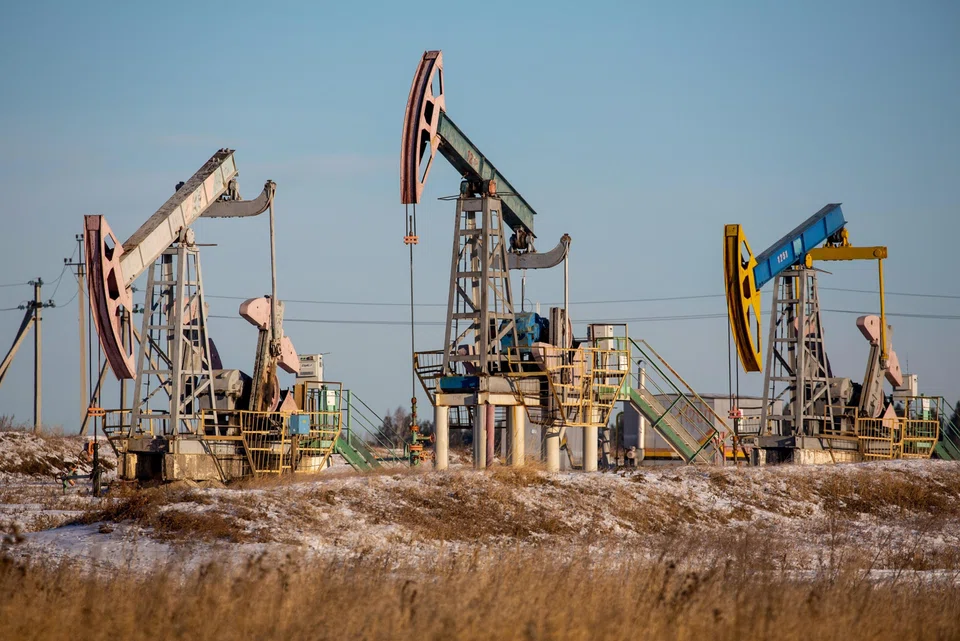
[HOUSTON] Oil prices fell more than 3 per cent on Monday (Nov 23) to settle at a three-month low on rising supplies from the Middle East and the restart of a Libyan oil pipeline, which offset worries about shipping and refinery attacks in the region.
Brent crude futures settled down US$3.20, or 3.46 per cent, at US$89.37 a barrel. US West Texas Intermediate futures settled down US$3.24, or 3.88 per cent, at US$80.17 a barrel.
Brent closed at its lowest point since Aug 31, and WTI at its lowest since Aug 10.
Libya’s Sharara oil pipeline reopens
Libya’s Sharara oil pipeline has reopened, and crude is beginning to flow into storage tanks at the Akakus facility in Zawiya, the chairman of the National Oil Corp told Reuters on Monday.
JPMorgan expects oil futures to fall to the high US$70s in the first half of 2027 due to an estimated supply surplus, with higher Middle East production outside Iran next year along with more supply from the Americas led by the US.

Bank of America said geopolitics would remain the key driver of oil prices, with relatively low global inventories leaving much of the world vulnerable to supply disruptions.
“It is partly the growing signs of a glut, but with each passing day it seems less likely that Trump will attack again,” said IG chief market analyst Chris Beauchamp.
On Sunday, however, the Iran-aligned Houthi movement said it attacked a Saudi Arabian oil refinery, while the UK Maritime Trade Operations reported multiple attacks on shipping in the Gulf and near the Strait of Hormuz over the weekend.
Bahrain said an Iranian attack hit a civilian industrial facility on Saturday, while Iran’s Revolutionary Guards said they had launched a missile-and-drone assault on US military positions in the kingdom, home to the US Navy’s 5th Fleet.
Ukraine says it strikes refinery in Russia’s Perm
Elsewhere, Ukraine’s military said on Monday it had struck Russia’s Lukoil oil refinery in Perm overnight, damaging three processing units.
The Kaleykino oil pumping station in Tatarstan was also hit, Ukraine’s General Staff said on the Telegram messaging app, the second strike on that site in four days. Four reservoirs were damaged, it added.
Meanwhile, Russian oil exports from its main oil terminals in the Baltic and Black Sea face growing delays due to bad weather and persistent Ukrainian drone attacks, according to traders and people with direct knowledge of loading schedules and shipping data.
Global climate conference collapses
In Turkey, talks on Sunday at the global climate conference COP31 collapsed for the first time since 2009 after nations could not agree on a deal on including a statement on the phase-out of fossil fuels.
Saudi Arabia and other big oil-producing countries have said fossil fuels will play a role in the economy for the foreseeable future and they lobbied to keep any mention of fossil fuels out of the text, observers at the conference said.
Opec+ ministers will hold a series of meetings on Nov 29 to decide their 2027 output policy. The group is made up of Opec and other oil producers such as Russia.
Meanwhile, US crude oil and product inventories are expected to have risen by about 900,000 barrels in the week ended Nov 20, a preliminary Reuters poll of five analysts showed on Monday. REUTERS
Decoding Asia newsletter: your guide to navigating Asia in a new global order. Sign up here to get Decoding Asia newsletter. Delivered to your inbox. Free.
Share with us your feedback on BT's products and services
TRENDING NOW

Indonesia’s coal tycoon Low Tuck Kwong replaced as Bayan Resources president-director

Nvidia reinstates Jensen Huang as CEO; Trump says move poses no national security risk

Six workers file employment claims against Crystal Jade Food Manufacturing

AI agents and stablecoins a ‘perfect match’ for payments, says MetaComp’s Tin Pei Ling

