

Oil rebounds as strikes near strait muddy outlook for Iran deal
The strait is the key waterway through which a fifth of the world’s oil and liquefied natural gas flowed during peacetime
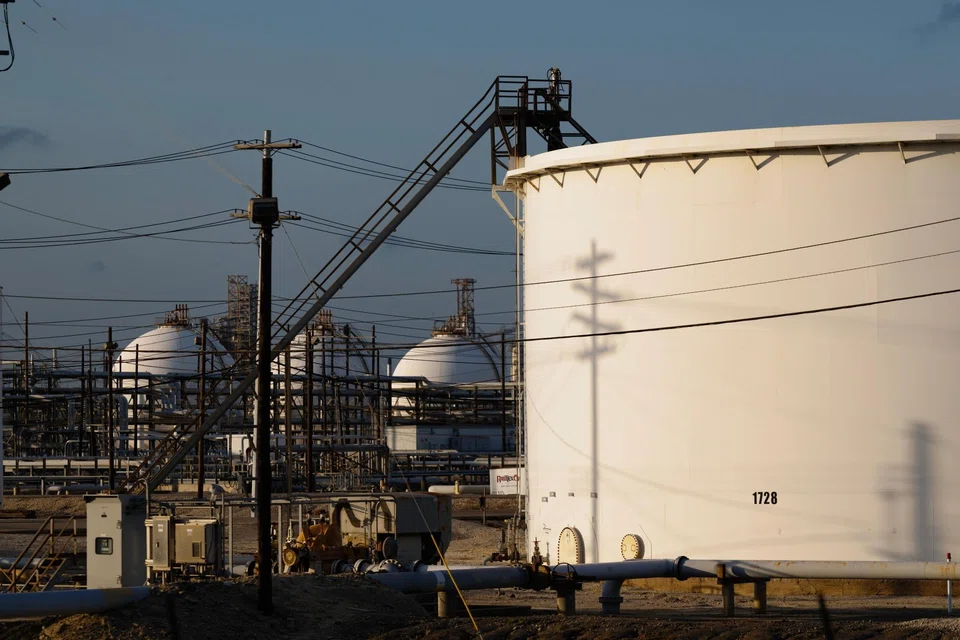
[SINGAPORE] Oil rebounded after slumping by more than 7 per cent on Monday (May 25), as fresh US military strikes in Iran clouded the outlook for an interim deal between Teheran and Washington to reopen the Strait of Hormuz.
Brent rose above US$98 a barrel, while West Texas Intermediate was near US$92. US forces struck missile-launch sites and boats trying to place mines, US Central Command said in a statement. Loud explosions were heard around the strait, near the coastal cities of Sirik and Jask, Iran’s semi-official Fars News Agency reported.
Crude futures had retreated sharply in the week’s opening session as US President Donald Trump posted that the talks were “proceeding nicely”, while also threatening more attacks if they were unsuccessful. Pakistan’s military chief, the main interlocutor, told China a deal was close.
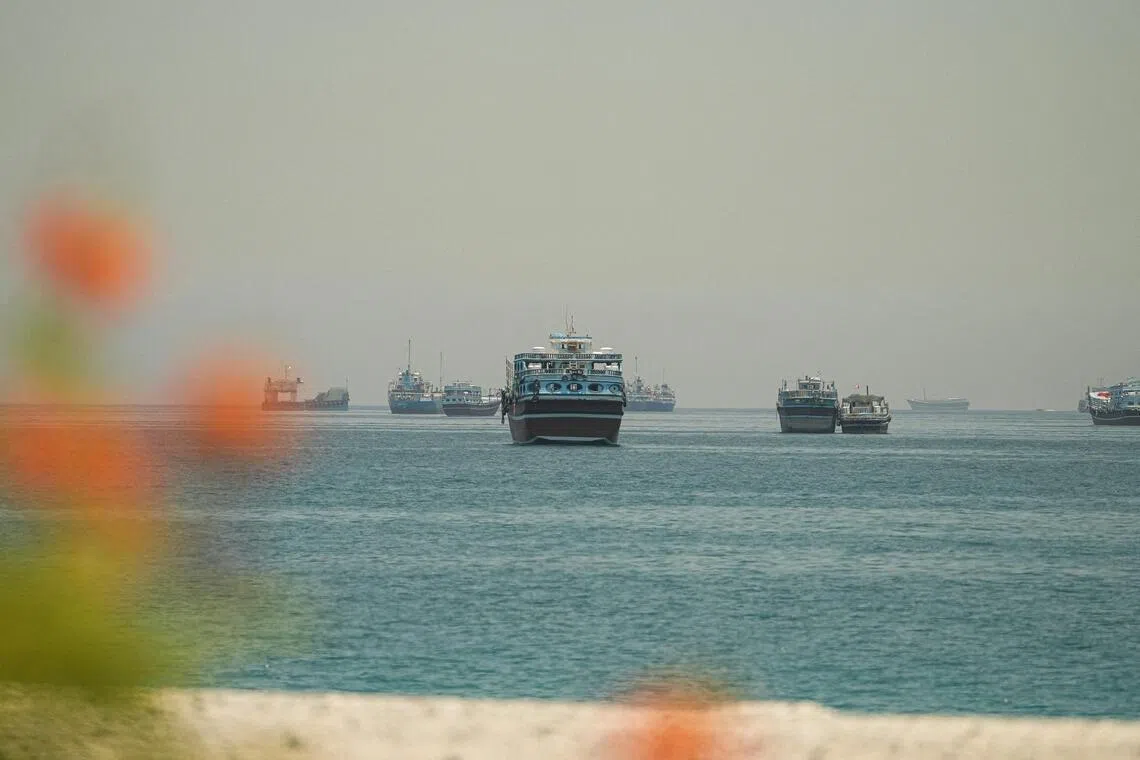
Crude prices, which rallied in March and April, are still on pace for a loss in May as a fragile ceasefire and push to reopen Hormuz outweigh signs of fast-depleting stockpiles. The strait, the key waterway through which a fifth of the world’s oil and liquefied natural gas flowed during peacetime, remains essentially closed, subject to blockades by the US and Iran.
The strikes were defensive and intended “to protect our troops from threats” Centcom said.
At present, it’s “premature to consider a peace deal will be reached let alone adhered to”, said Saul Kavonic, senior energy analyst at MST Marquee. “There have been claims by both sides of negotiation success, or the strait opening in the past few months already, only for it to not materialise.”
In a separate post, Trump said that Teheran’s enriched uranium would preferably be destroyed in Iran, although the material could also be turned over to the US. Washington has cited the Islamic Republic’s nuclear program as a major reason for embarking on the conflict with Israel, maintaining that Teheran poses a threat as it wants to develop nuclear weapons.
The US and Iran have been negotiating a deal that would see them extend the ceasefire for about two months, with the US lifting its blockade and Teheran reopening Hormuz.
Still, sticking points remain, with Teheran saying it must be able to manage maritime traffic through the chokepoint, something that the US, Arab states and Europe maintain cannot be allowed.
Highlighting additional challenges, Israel said on Monday that it would intensify strikes against Iranian-backed Hezbollah in Lebanon. Teheran has demanded an end to hostilities in that country as part of any deal with the US. BLOOMBERG
Decoding Asia newsletter: your guide to navigating Asia in a new global order. Sign up here to get Decoding Asia newsletter. Delivered to your inbox. Free.
Share with us your feedback on BT's products and services






