

Saudi Arabia sells nearly 100 million barrels of oil to Asia, easing looming supply crunch
Aramco offering to manage logistics and transport the crude all the way to Asian customers
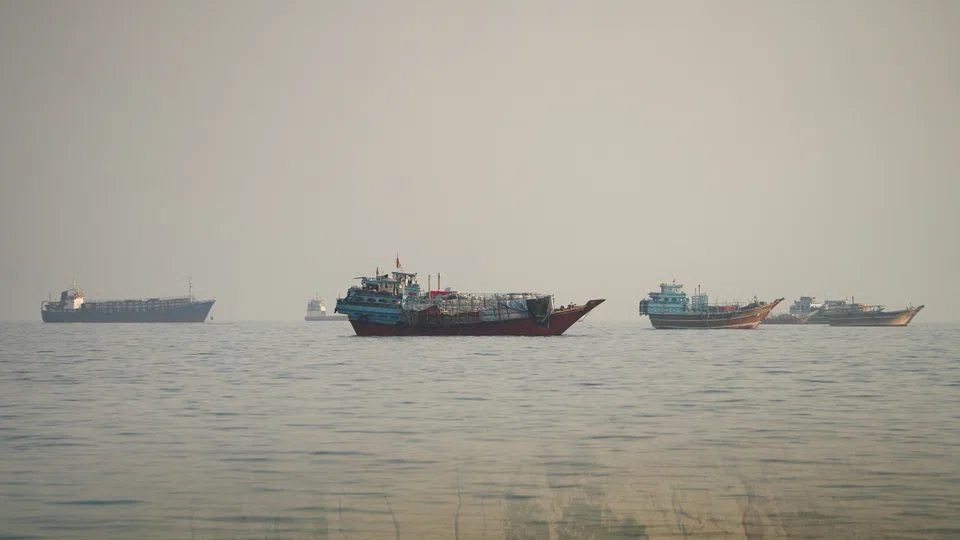
SAUDI Arabia has sold almost 100 million barrels of oil to Asian buyers since the middle of last week, according to traders familiar with the matter, helping to avert a looming supply crunch in the region.
The crude for delivery in October and November will be sent via the Strait of Hormuz, said the traders, asking not to be named as they are not authorised to speak to media. Chinese state-run and independent refiners, as well as processors in India, Japan and South Korea are among the buyers, they said.
The unusual flurry of sales is equivalent to about one day of total global demand, and would represent a more-than-doubling of recent Saudi-to-Asia flows through Hormuz.
It comes as the kingdom’s East-West pipeline, which bypasses Hormuz by carrying oil to the Red Sea, is still not fully operational after being attacked on Sep 10. Saudi Aramco is in the early stages of restarting the conduit, and is aiming for a meaningful restoration by Saturday (Sep 26).
The problems with the pipeline have forced the Saudis to export more oil through Hormuz, with satellite data showing observed loadings from within the Persian Gulf jumping over the weekend. Critically, Aramco is offering to manage logistics and transport the crude all the way to Asian customers, the traders said.
Aramco declined to comment.

The oil will be welcomed in Asia, where Chinese and Indian refiners have been thinking about lowering run rates due to soaring prices. Iranian flows have dried up due to a US blockade, while buyers have been avoiding Russian crude because of rising political risks. That has intensified competition for grades from Africa to Latin America.
Over the course of the US-Iran war, the onus for transporting oil has gradually shifted from buyers to sellers. Persian Gulf producers used to typically offer crude on a so-called free-on-board basis, meaning customers had to send their own vessels to pick it up. However, since the start of the conflict, refiners had been reluctant to do so due to the threat of attacks. Now, gulf producers are offering to shoulder more of the shipping risks.
For sellers that do not have the capability to handle shipping on their own, like Iraq’s state oil marketer SOMO, traders and other intermediaries have stepped in to move the crude out. TotalEnergies, Vitol Group, Trafigura Group and Abu Dhabi National Oil have been among companies involved in the movement of the oil out of the Persian Gulf. BLOOMBERG
Decoding Asia newsletter: your guide to navigating Asia in a new global order. Sign up here to get Decoding Asia newsletter. Delivered to your inbox. Free.
Share with us your feedback on BT's products and services
TRENDING NOW

Once staunchly pro-China, Malaysian Chinese businesses are now distancing themselves from Beijing

Looking beyond looming CEO succession, should UOB potentially pursue a transformative merger?

Could stablecoins be the future of money?

Grab CEO’s wife Chloe Tong on life with Anthony Tan and finding her purpose

