

Saudi Arabia resumes Yanbu oil exports after drone-hit East-West pipeline restarts
Resumption of loading at Yanbu set to bolster crude exports from the Middle East
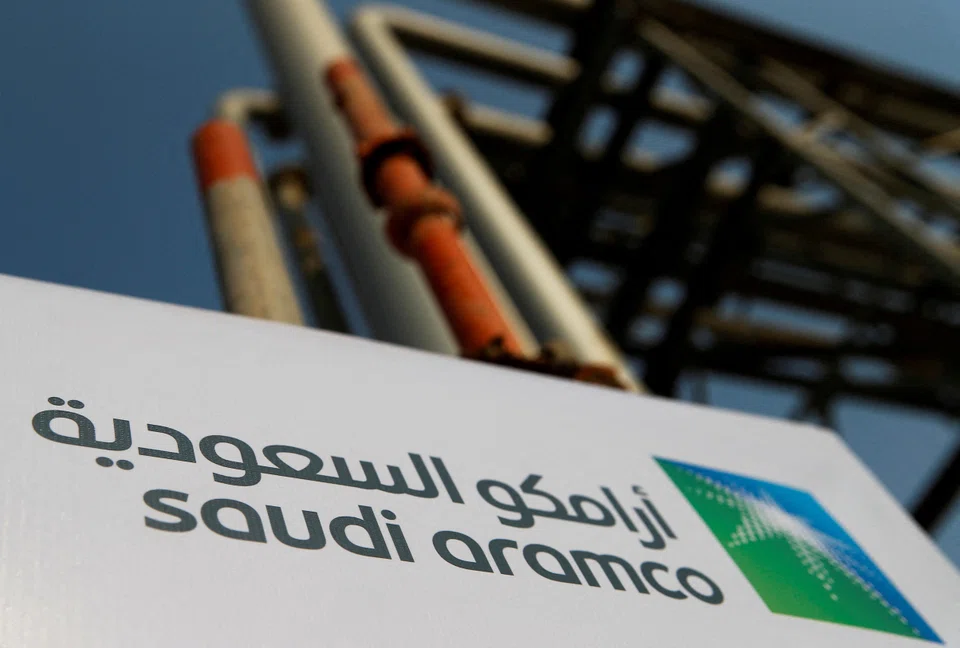
[SINGAPORE] Saudi Arabia has resumed oil loadings from its Red Sea port of Yanbu after restarting operations on the East-West pipeline, according to trade sources and shipping data, improving the outlook for oil exports from the Middle East.
Drone attacks, which Saudi Arabia blamed on Iraqi militias, forced the kingdom to shut the pipeline on Sep 11, halting crude exports from Yanbu. Pipeline operations resumed last Tuesday.
State oil giant Saudi Aramco notified customers on Monday evening of its October loading schedule from Yanbu, an Asian refining source said. The refiner loaded a cargo from Yanbu late last week.
Aramco did not immediately respond to a request for comment.
The resumption of loading at Yanbu is set to bolster crude exports from the Middle East, where the US war with Iran has throttled shipments through the Strait of Hormuz, the conduit for one-fifth of the world’s oil supply before the conflict.
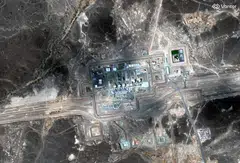
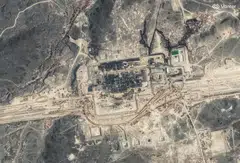
“ESA (European Space Agency) satellite imagery captured over the Red Sea on Sep 27 shows Saudi Arabia loading nearly 10 million barrels of crude oil at Yanbu and Al Muajjiz,” vessel-tracking firm TankerTrackers.com wrote in a post on X on Tuesday.
Al Muajjiz is a terminal south of Yanbu.
“We also observed refined-product loadings. In total, we visually identified 40 tankers, regardless of their activity or proximity to these terminals.”
Two trade sources separately estimated crude loadings from Yanbu at about 2 million barrels per day since last week.
SEE ALSO



Ship-tracking firm Kpler estimates current throughput on the pipeline at around 2.65 million bpd and expects it to climb to between 3 million and 4 million bpd in the coming days. A full return to the pre-attack rate of roughly 5.5 million bpd could still take another month, it said in a note on Monday.
Crude inventories at the Yanbu terminal rose by roughly 1 million barrels on Sep 22, the first build since the attack, according to Kpler.
On a seven-day average through Sep 22, Kpler estimates Hormuz crude transits, including Gulf of Oman ship-to-ship activity, at 9 million bpd, up from a late-July low of 2.2 million bpd and equivalent to roughly 60 per cent of the 2025 average.
Adding net gains from Yanbu and Fujairah lifts Middle East crude exports to just under 80 per cent of pre-conflict levels.
Crude oil loadings at Egypt’s Sidi Kerir resumed on Sep 22 after a 10-day hiatus, but tankers remain queued offshore as restrictions continue to limit access for much of the commercial fleet, Kpler said in the note. REUTERS
Decoding Asia newsletter: your guide to navigating Asia in a new global order. Sign up here to get Decoding Asia newsletter. Delivered to your inbox. Free.
Share with us your feedback on BT's products and services
TRENDING NOW

Could stablecoins be the future of money?

Philippine power giant First Gen rebuffs foreign offers, plans up to US$2.6 billion in expansion

GIC-backed Bank Jago sees wealth management as next growth engine as Indonesian investor base grows
The middle power moment arrives in South-east Asia – but not for Asean

