

Sinopec to prioritise China’s fuel supply as pressures mount
Beijing has built up an estimated 1.4 billion barrels in stockpiles that could be tapped if disruptions persist
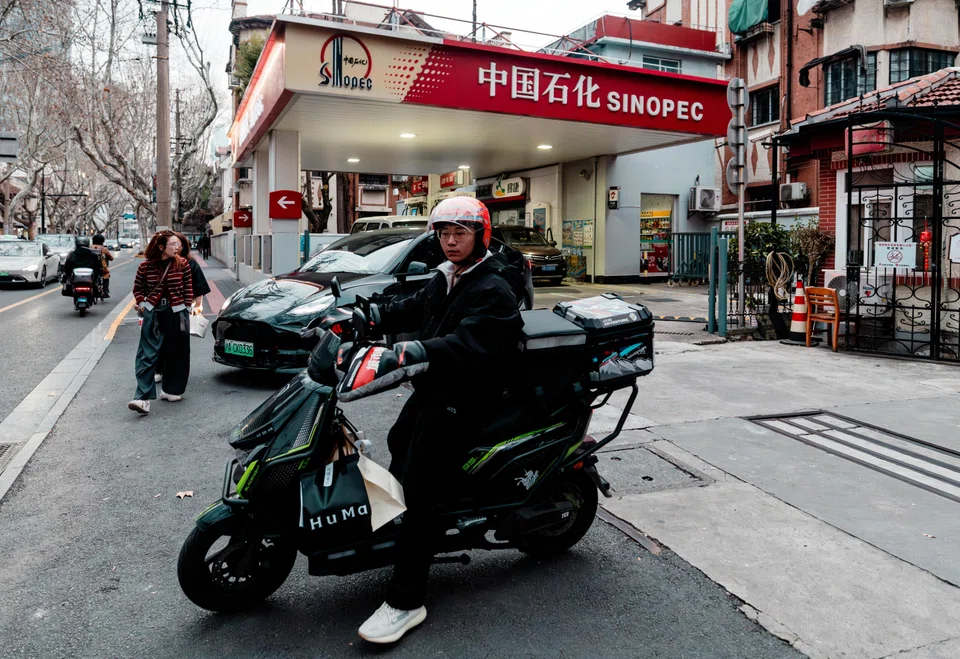
CHINA’S biggest oil refiner said that it will prioritise ensuring domestic fuel supplies as it braces for a prolonged conflict in the Middle East.
State-owned China Petroleum & Chemical, more commonly known as Sinopec, cut operating rates by 5 per cent in March to conserve oil, as the difficulty of shipping crude through the Strait of Hormuz chokes supply, vice-chairman Zhao Dong told an earnings briefing in Hong Kong on Monday (Mar 23).
The world’s top oil importing nation has taken a number of steps to soften the impact of the war, including tightening curbs on fuel exports and limiting price hikes on domestic petrol and diesel. Zhao also said that Sinopec would abide by any national plan to release state oil reserves, without elaborating. Beijing has built up an estimated 1.4 billion barrels in stockpiles that could be tapped if disruptions persist.
The government is prepared to use fiscal policies to stabilise supplies if global prices keep surging, according to a report from China Central Television on Monday, which cited economic planners. On Tuesday, Shanghai Securities News reported on signs of panic-buying among some fuel wholesalers, although it said there has not been any large-scale hoarding yet.
Sinopec’s profit slumped last year, reflecting less need for transport fuels as the economy electrifies, as well as a wave of new petrochemical plants that has led to structural oversupply. Zhao acknowledged that higher oil prices caused by the Iran war could accelerate the adoption of electric vehicles.
Oil cushion
The company’s renewed focus on its mainstay refining operations, which accounted for nearly half of revenue last year, suggests that the strategic shift to delivering more petrochemicals is taking a back seat to the immediate concerns sparked by the war. The priority for the chemicals business this year is to narrow losses, Chairman Hou Qijun said at the briefing
Current oil stockpiles are enough to cushion China from the spike in international prices over the next two months, vice-chairman Zhao said. The company will adjust run rates in April and May depending on how the market develops, but over the long-term its planning will need to take into account a higher cost of crude, he said.
Although China’s state-owned refiners have begun exploring purchases of Iranian oil to widen their supply options, Sinopec is not enthusiastic about the move. The company will try and avoid Iranian shipments due to limited cargo availability, and because the Trump administration’s one-month waiver allowing for purchases leaves too narrow a window for delivery, Zhao said.
Sinopec is seeking crude for April and May from Saudi Arabia, via the Red Sea port of Yanbu that is not affected by the Hormuz blockage, Zhao said. It’s also open to taking US supplies, depending on how trade talks between the two countries go. The presidential summit planned for the end of the month in Beijing was put on ice by US President Donald Trump because of the war.
SEE ALSO

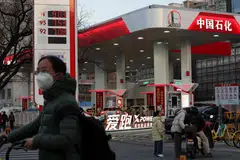
Sinopec’s vulnerability to disruptions to Middle Eastern gas supplies remains manageable, chairman Hou said. Its state-run peers, Cnooc and PetroChina report earnings in the coming days, and both have heavier exposure to the fuel, which is likely to be a focus for investors after Iran’s strikes on the world’s largest liquefied natural gas plant in Qatar. BLOOMBERG
Decoding Asia newsletter: your guide to navigating Asia in a new global order. Sign up here to get Decoding Asia newsletter. Delivered to your inbox. Free.
Share with us your feedback on BT's products and services
TRENDING NOW

Once staunchly pro-China, Malaysian Chinese businesses are now distancing themselves from Beijing

New launch or resale unit? Here’s a guide for homebuyers
The lesser-known prospects in the Asian chipmaking supply chain

Cliff Tan has 7 million followers and a 4-month waitlist. Why won’t he expand his business?

