Wheat spikes to fresh 14-year high on deepening supply fears
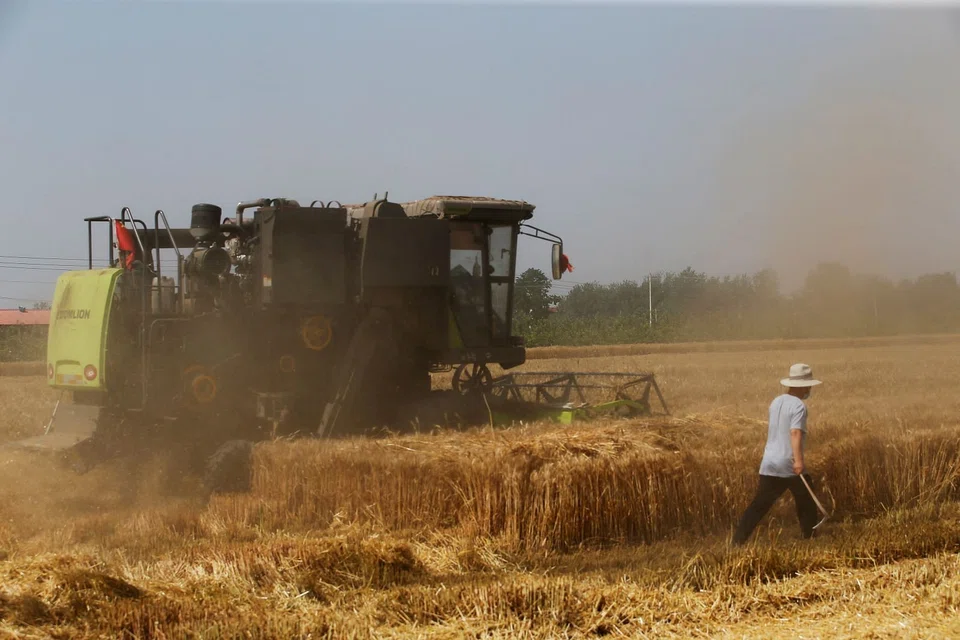
[LONDON] Wheat soared to the highest level since 2008 on mounting fears of a global shortage as the Ukraine war shuts off over 25per cent of the world's exports of the staple used in everything from bread to cookies and noodles.
Prices are heading for a record weekly gain of about 40 per cent, spiking since Russia invaded Ukraine and the US and Europe imposed sweeping sanctions on Russia. The war has closed major ports in Ukraine, and severed logistics and transport links.
The fighting also threatens planting of crops in coming months. Trade with Russia has mostly dried up as buyers find it hard to navigate the complexity of sanctions and balk at soaring insurance and freight costs.
Russia and Ukraine are also major suppliers of corn, barley and sunflower oil. Corn has risen to the highest level since 2012, while soybean oil and palm oil have reached records.
In the meantime, China, the world's biggest importer of corn and soybeans and one of the top buyers of wheat, is moving to secure essential supplies in global markets, helping push prices even higher.
In a sign of rising pressures on food inflation, McDonald's Holdings Japan is raising prices of burgers and chicken nuggets on March 14 because of surging costs of ingredients, labour and transport. Even before the Russian invasion, supply-chain snarls had caused a shortage of fries in parts of Southeast Asia.
Wheat futures jumped by the exchange limit in Chicago on Friday, rising 6.6 per cent to US$12.09 a bushel. There are forecasts for prices to go even higher, piling pressure on food inflation and deepening the dilemma of central bankers on how far to raise rates at a time when the war and sanctions are hurting growth and casting a shadow over the world economy for a long time to come.
Citigroup said prices could surge as high as US$14 or US$14.50 in an "extreme bull" scenario if Black Sea exports remain locked out. Even rice has been swept up in the turmoil, with Chicago futures near the highest since May 2020.
The price spike is raising concerns for top importers and increasing the odds of countries moving to limit food exports to protect local markets. Egypt, the biggest wheat buyer, is a case in point.
Russia and Ukraine delivered 86 per cent of its wheat imports in 2020, according to the United Nations, and war, sanctions and surging costs are hampering efforts to secure grain.
That carries extra resonance in the North African nation, where rising food costs contributed to the Arab Spring protests a decade ago.
Chinese buyers recently booked about 20 cargoes of American soybeans and about 10 shipments of corn, according to traders who asked not to be identified as they aren't authorised to speak publicly.
The move is another example of the country's focus on securing supplies at a time of rising prices. Corn futures are up 17 per cent this week, and heading for the biggest weekly gain since 2008.
Argentina, one of the world's top wheat exporters, will have a mechanism in place through early 2024 to guarantee supplies to local millers and keep down domestic prices of staples like flour and pasta. "The mechanism is a response to the need to decouple prices to protect the domestic market in a global context of war and high sustained wheat prices," the government said. BLOOMBERG
Read more:
Decoding Asia newsletter: your guide to navigating Asia in a new global order. Sign up here to get Decoding Asia newsletter. Delivered to your inbox. Free.
Share with us your feedback on BT's products and services