Flood of new F&B brands, players leaves trail of local casualties
But some operators say cut-throat competition also presents new opportunities for incumbents and new players


LOCAL food and beverage (F&B) operators are facing increasing pressure from a flood of new entrants into the market – especially overseas players such as those from China. And some homegrown F&B brands are being forced to innovate – or consolidate.
The fierce competition among eateries for physical space has driven rental prices up. Rents have gone up, going by anecdotal evidence, by 20 to 30 per cent since the pandemic, said Alan Goh, chief executive of Singapore-listed F&B operator Katrina Group.
Going by data from the Urban Redevelopment Authority (URA), the amount of occupied retail space rose by 46,000 square metres (sq m) in the second quarter – significantly higher than the 8,000 sq m net increase in the previous quarter. This was mainly driven by F&B retailers’ expansion in the Outside Central Region.
The retail rental index, however, remained unchanged quarter on quarter, while retail vacancy rate fell marginally by 0.1 percentage point. Rental growth was capped as landlords were likely prioritising occupancy rates amid the uncertain economic outlook, despite rising demand.
As new Chinese brands crowd the market, local players such as Katrina Group, which operates the Bali Thai, So Pho, Streats and Honguo chain of restaurants, have been facing pressure to re-evaluate and consolidate some of their internal brands.
Katrina Group has closed over 20 outlets in the last three years, said Goh. For instance, Honguo, which serves cuisine from Yunnan, China, shuttered its Bugis Junction outlet around two months ago. It has since been replaced with South Korean fried chicken chain Daily Chicken, of which the group is a franchisee.
“(Honguo) has been there for about 17 years, but because the competition is great and they’re all Chinese brands, we couldn’t compete,” Goh added.
In its latest financial results, the group said it would focus on “rejuvenation and business consolidation”, channelling resources to new or better-performing outlets and closing non-performing ones.
The fall in the number of outlets depressed the group’s F&B revenue, for the six months ended June, by 4.5 per cent on year, to S$19.5 million. This resulted in overall revenue for the first half of the 2024 financial year falling 4.1 per cent to S$27.9 million.

However, the group managed to pull itself out of the red – turning a profit of S$15,000 in H1, compared with a loss of S$1.3 million the year before – on the back of a 16.8 per cent increase in gross profit to S$3.7 million.
Other F&B operators have not been spared either.
In September, American pizza chain Little Caesars announced that it would close all outlets in Singapore – marking the end of a six-year operation here.
James Kodrowski, director at franchisee Palm Tree Foods, told The Business Times that the franchisee was unable to comment on the brand’s exit from the market. But he noted that there is a “loyal fan base” for Little Caesars here, evident by the “large crowds” at its last outlet in Funan, which will be closed later this month.
The heat of the competition has also made it increasingly difficult for brands seeking to expand.
For Sichuan takeaway chain Chengdu Bowl, having more competitors has given it less room for rental negotiation. The brand is seeking to expand to seven outlets by the year-end, from three outlets currently.
Sabrina Deng, co-founder of QuantFood, which owns Chengdu Bowl and Sichuan restaurant Numb, noted the limited number of choice sites available to open new outlets.
Meanwhile, the expansion of local brands and more incoming brands have created an imbalance in supply and demand in the retail rental market, she said.
Slots at popular locations in the central area are snapped up within a week, Deng added.
Turning point for local players
As competition intensifies in the F&B sector, local players have employed tactics to ensure they remain relevant to consumers.
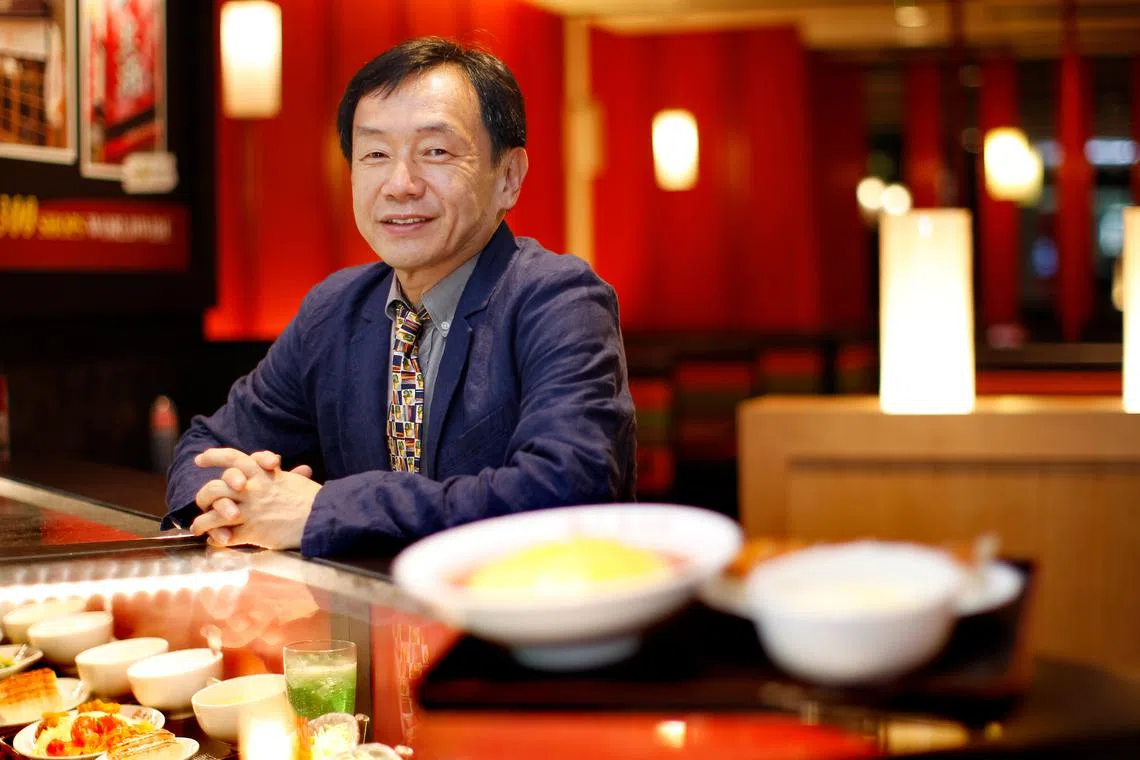
Listed player Japan Foods, which owns more than 20 self-developed and franchised brands, has been introducing three to five new brands every year to “keep its portfolio compelling and offer customers excitement”, said its chief executive officer and executive chair Takahashi Kenichi.
For the financial year ended Mar 31, Japan Foods’ group revenue was up 10 per cent at S$86.4 million year on year, given robust expansion of its halal food segment. The group launched its first halal concept in November 2021.
However, it incurred a net loss of S$0.5 million in FY2024, from its net profit of S$4.1 million in FY2023, on impairment losses arising from non-performing stores and higher expenses.
Katrina Group’s Goh said the addition of new brands such as Daily Chicken is part of the group’s portfolio rejuvenation plan, as it pivots its non-performing outlets into new brands.
As these groups assess their operations, they have also put resources towards technological tools to manage their expanded operations. For example, Chengdu Bowl uses the productivity system Lark Suite to manage its staff and monitor the performance of its outlets.
Lark Suite is also used by other chains, such as Super Hi International’s Haidilao, and the Paradise Group.
Keeping meals affordable
Amid intensifying competition and worries over inflation, keeping prices within customers’ budget ranges has become a priority among local players.
Arron (*see amendment note) Poh, founder of local Mexican restaurant Huevos, said he notices that the customers’ threshold is about S$35 to S$40 per person. He has set his prices at below that.
Sales at its first outlet in Bugis has grown steadily at about 6 per cent monthly since its opening in 2020, he said. With the launch of a second outlet in River Valley in July, the two restaurants have been serving 2,400 guests weekly on average.
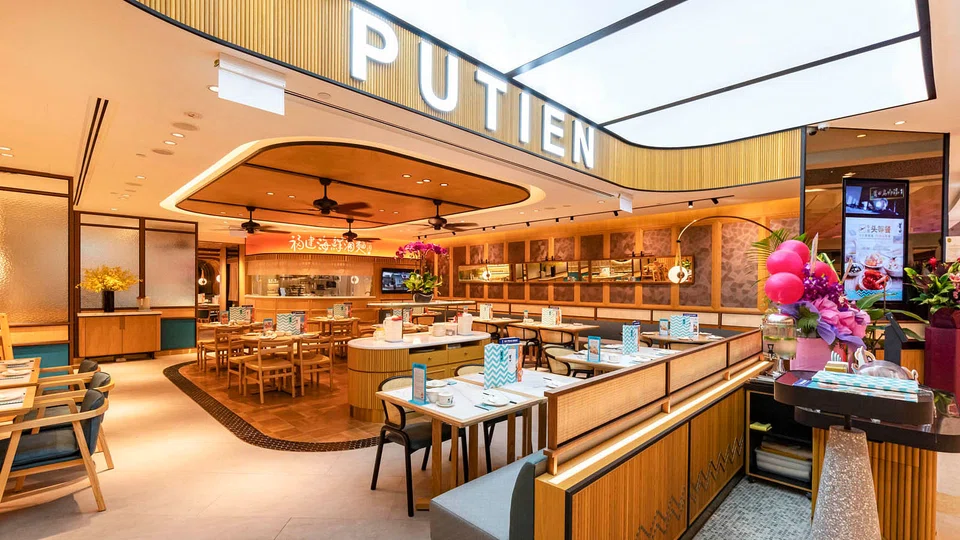
In an effort to stay relevant to customers, homegrown Chinese eatery Putien has recently assessed its pricing structure and decided to absorb the 9 per cent goods and services tax and waive the 10 per cent service charge.
Fong Chak Ka, CEO of Putien Group, noted that footfall at its outlets have gone up 30 to 40 per cent since.
“We hope our local customers can enjoy our food at lower prices. We are willing to reduce our profit margin as a result,” he said.
“We are also constantly working to leverage economies of scale to enhance our buying power, enabling us to purchase ingredients in larger quantities and at more cost-effective prices.”
Challenges bring opportunities
While new players bring competition, their presence also offers new opportunities for the local F&B operators.
Huevos’ Poh noted that intense competition among F&B brands has led to a more competitive supply-chain market with more produce suppliers, and many are willing to let go of a bit of margin in order to keep long-term clients.
“The suppliers are tracking your sales, so they know that this brand is expanding,” he said, adding that he had negotiated for lower produce prices to bring the cost of ingredients down 2 to 3 per cent, leveraging on Huevos’ increased sales.
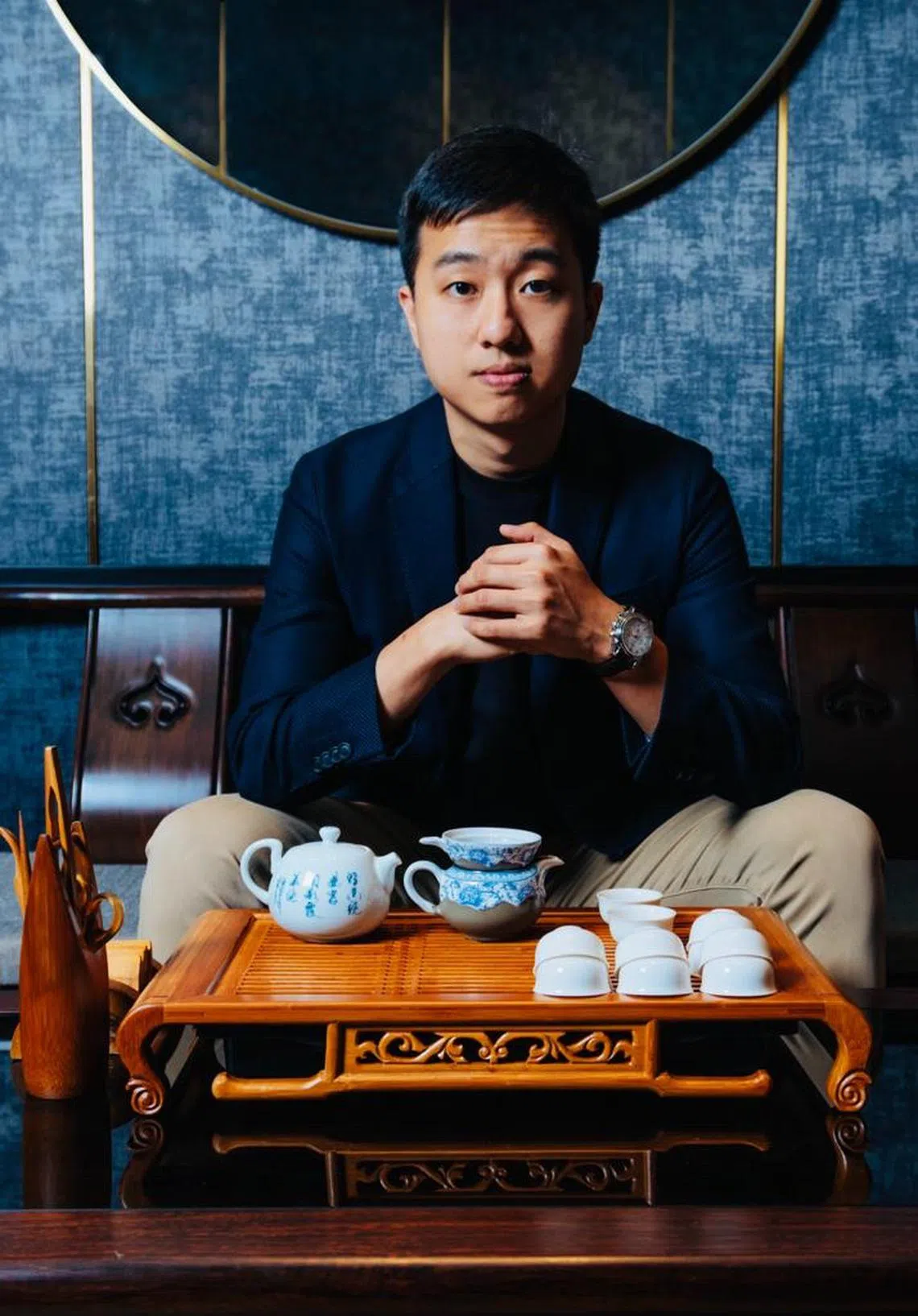
Li Jianggan, CEO of consultancy Momentum Works, noted that partnerships between local players and new overseas F&B entrants have benefited the local players, who have been able to provide supply-chain and central kitchen services to the new entrants.
Local brands also make use of their deep knowledge and understanding of consumers in the Singapore market in collaboration with the Chinese players, who are ”typically sophisticated in concept development, operations and supply chain”, he added. “In this regard, I do see a lot of room for collaboration and joint development.”
Amendment note: An earlier version of the story incorrectly stated the name of Huevos’ founder Arron Poh