Forever 21 weighs liquidation ahead of bankruptcy filing
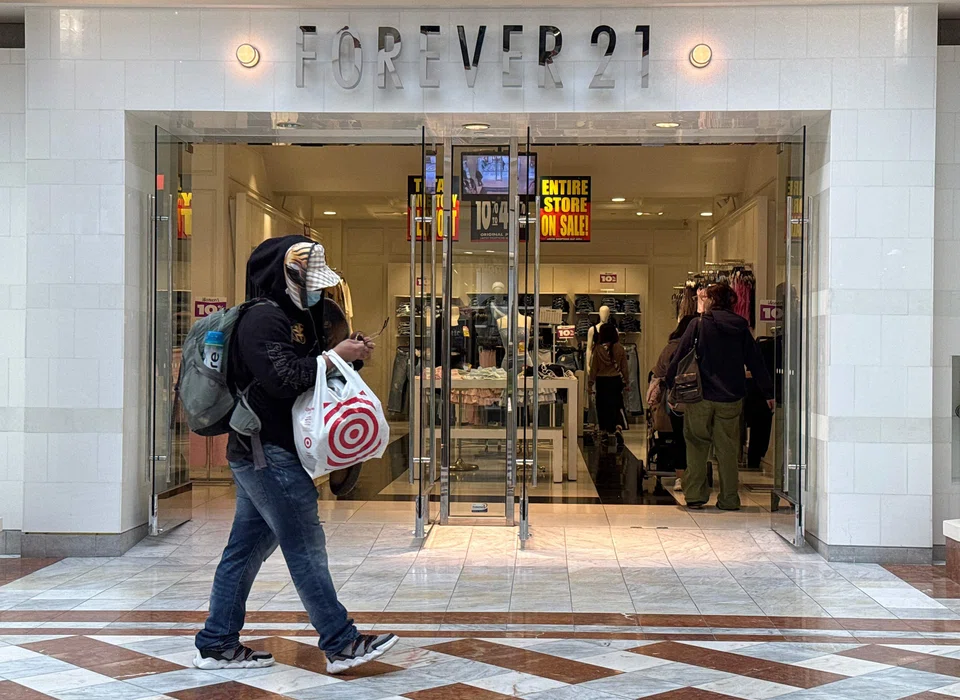
THE US-based operator of retailer Forever 21 is preparing to potentially close down its stores as part of a bankruptcy filing in the coming days, according to people with knowledge of the matter.
Efforts to find a buyer for the fast-fashion retailer to avoid a liquidation have so far failed, said the people, who asked not to be identified as they were discussing private information. Talks with one potential bidder are ongoing, they said.
At its height, Forever 21 operated more than 500 locations in the US and at least 800 worldwide, including Singapore. Its US footprint has since shrunk to about 350 stores.
It was reported previously that Forever 21 was looking to close almost two-thirds of its locations as part of a bankruptcy process.
The Forever 21 trademark and intellectual property are owned by apparel and lifestyle label empire Authentic Brands, which licenses them to the operating company that would undergo a Chapter 11 process. Authentic plans to continue licensing the brand through new operating and e-commerce partners.
Representatives for Authentic and the Forever 21 operator declined to comment.
The Forever 21 operating company became a unit of Catalyst Brands, which also owns JCPenney and Lucky Brand, through an acquisition in January.
Previously, it was owned by Sparc Group, a joint venture formed by Authentic and the mall owners Simon Property Group and Brookfield Properties, both large Forever 21 landlords, to help keep the chain alive after its first bankruptcy in 2019. BLOOMBERG
Decoding Asia newsletter: your guide to navigating Asia in a new global order. Sign up here to get Decoding Asia newsletter. Delivered to your inbox. Free.
Share with us your feedback on BT's products and services