

Honda outsources new vehicle programme to India’s Tata Technologies to cut costs
The platform is expected to support multiple car models, sources say
HONDA Motor has outsourced development of a new vehicle programme to Tata Technologies, people familiar with the matter said.
This is the first time the carmaker is entrusting an Indian engineering services firm with building an end-to-end platform to help cut costs.
The platform is expected to support multiple car models, the people said, asking not to be identified as the details are private. It is intended to accommodate conventional fossil fuel-powered models as well as electrified powertrains for hybrids and electric vehicles, they added.
The people did not specify the markets where these Tata-engineered vehicles might be sold.
The farming out of this crucial function marks a departure for Honda, which has typically kept development of core vehicle platforms largely in-house or within its established supplier network.
It comes as the Japanese carmaker overhauls its product road map after reporting its first annual loss since its founding in 1948, shelving several planned EV programmes and accelerating cost-cutting efforts.
The company “is always considering the possibility of various external partnerships as part of its efforts to strengthen its competitive edge”, a Honda spokesperson said in an e-mail, while declining to comment on market speculation or any details regarding specific partnerships.
A Tata Technologies spokesperson did not immediately respond to an e-e-mail requesting comments.
Speed is also of the essence for Honda in India as it continues to operate with an outdated and thin portfolio, trailing rivals such as Maruti Suzuki India and Toyota Motor in a country it has identified as a key market alongside Japan and North America.


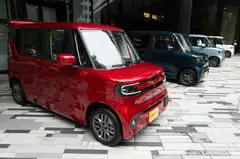

While Honda does not currently sell battery EVs in India, local powerhouses Tata Motors and Mahindra & Mahindra have launched numerous models to capture the market early.
Honda’s market share has shrunk to less than 2 per cent in the world’s third-largest car market from a peak of 7 per cent over a decade back.
Honda has leaned on partner carmakers such as General Motors in the past for development of some of its models, notably the recently discontinued Prologue and Acura ZDX.
This, however, is the first time the carmaker is tapping an Indian engineering services firm for an entirely new vehicle platform.
Growing role
The move also highlights India’s growing role as a global engineering hub for the industry, with foreign carmakers from Mercedes-Benz to BMW and now Honda increasingly outsourcing vehicle development work to shorten development cycles and lower costs.
Without naming Honda, Tata Technologies CEO Warren Harris told analysts in July that his company was making progress on “a full vehicle development programme with a leading Japanese automotive” original equipment manufacturer.
Tata Technologies, part of the Tata Group, provides engineering and digital services to automotive, aerospace and industrial clients. The engagement with Honda signals a breakthrough with a customer base traditionally difficult for outside engineering providers to penetrate.
For Honda, the decision reflects a broader rethink of how it develops future vehicles. The company plans to “utilise external resources more flexibly and strategically”, CEO Toshihiro Mibe said in May.
He cited the cost-competitiveness and speed available through engineering talent in India and China as Honda adapts to a more uncertain global market.
The Japanese carmaker has said it will introduce a new family of cars in India beginning in 2028, while expanding the country’s role as a manufacturing and export hub serving markets across Latin America and South-east Asia. BLOOMBERG
Decoding Asia newsletter: your guide to navigating Asia in a new global order. Sign up here to get Decoding Asia newsletter. Delivered to your inbox. Free.
Share with us your feedback on BT's products and services
TRENDING NOW

S$8 billion wiped off OCBC value as shares slide 5.8% in heavy trade

Grab CEO’s wife Chloe Tong on life with Anthony Tan and finding her purpose
Brookfield denies accusation it cut Soilbuild out of Mapletree deal
8 public officers referred to police over property buys near unannounced MRT stations: Chan Chun Sing

