

Hospitality, retail sectors to gain from freer Singapore-China visa rules
Navene Elangovan
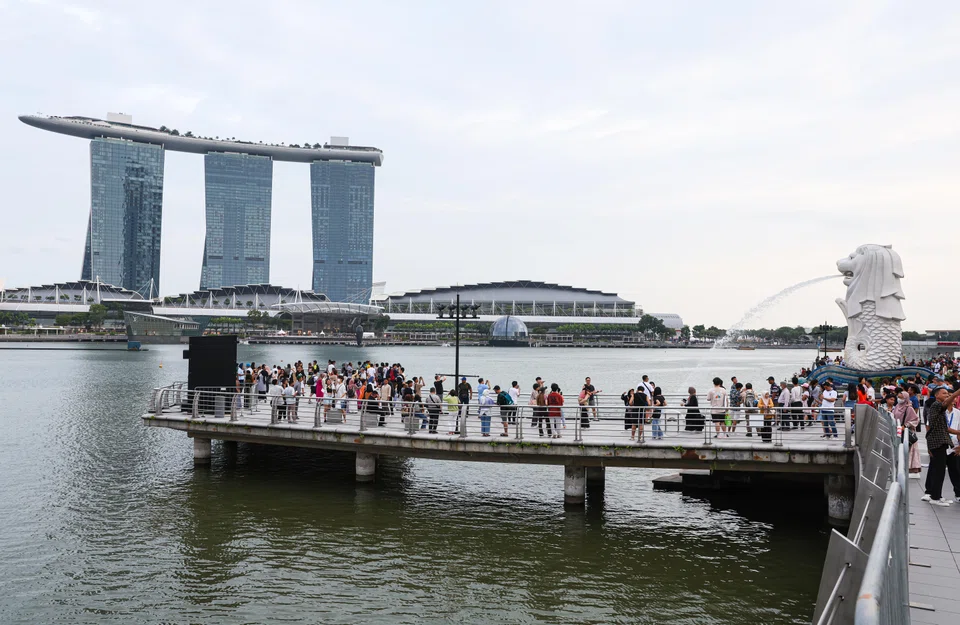
SINGAPORE-LISTED stocks in the hospitality, transport and retail sectors are set for a boost with the relaxation of visa regulations between China and Singapore next year.
The aviation industry also stands to gain from more Chinese visitor arrivals, although analysts said the impact on national carrier Singapore Airlines (SIA) will be mixed, given the competition from other carriers.
The 30-day visa-exemption agreement, likely to be implemented in early 2024, is part of the drive to bring travel back to – and beyond – pre-Covid levels.
Before the pandemic, China was Singapore’s largest source market of international visitors, accounting for 19 per cent or 3.6 million of the total number of international visitor arrivals to Singapore in 2019.
But in the first five months of this year, arrivals from China came in at 20 per cent of pre-Covid-19 levels, and were surpassed by visitors from Indonesia, India and Australia.
Visitor arrivals to grow in Q1 of 2024
With the visa exemption, DBS analyst Yeo Kee Yan expects visitor arrivals in Q1 2024 to outpace that in the current quarter. He said arrivals data this year suggests that the return of Chinese travellers could move the needle for Singapore’s visitor statistics.
In Q2 2023, monthly visitor arrivals to Singapore stood at 70 per cent of pre-pandemic levels in 2019. This figure jumped to 89 per cent in July, amid a surge in visitor numbers from China.
Visitor statistics will also be boosted by the resumption of popular travel itineraries among Singapore, Malaysia and Thailand, with Chinese travellers being able to visit all three countries without a visa, Yeo noted.
Hospitality Reits to gain
Hospitality real estate investment trusts (Reits), including those with a presence in the region, are set to gain from the influx of Chinese tourists, said analysts.
Peggy Mak, research manager at Phillip Securities Research, said Reits with a higher share of domestic and regional hotel accommodation facilities, such as Frasers Hospitality and OUE Commercial , could record higher revenue per available room (RevPAR) on the back of bumped-up occupancy rates.
Yeo of DBS also expects room for RevPAR to grow among Singapore hotel Reits.
CapitaLand Ascott Trust and CDL Hospitality Trust are his top picks; he is forecasting yields of 6.3 per cent and 6.4 per cent respectively, for them in FY2024.
Transport stocks to gain, but outlook is mixed for SIA
Analysts also expected stocks in the aviation sector to benefit from higher air traffic.
Phillip’s Mak said the longer visa-free travel will pave the way for increased corporate trips between the two countries, and for Chinese tourists to visit neighbouring countries. Chinese airlines are also likely to step up their number of flights to Singapore.
This could push up demand for ground-handling services by Sats and maintenance, repair and overhaul work for SIA Engineering . Transport company ComfortDelGro Corp could also experience higher demand for its rail and taxi services, she said.
Referring to the mixed outlook for SIA, she added: “While the volume of Chinese passengers might grow, SIA could face competitive pressure on airfare and yields from the Chinese carriers – which are also expected to ramp up.”
Roy Chen, an analyst with UOB Kay Hian, expects the visa-free arrangement to be “a major positive” for aviation, but does not expect visitor arrivals to return to pre-pandemic levels immediately.
China’s weak economic situation, the financial and emotional “scarring effect” of the pandemic on its people, as well as the weak renminbi making overseas travel more expensive, remain a drag on China’s overseas travel demand in the near term, he said.
Nevertheless, he expects the visa-free scheme to raise the aviation sector’s growth in the mid- to long-run, and for Chinese visitors in Singapore to return to pre-pandemic levels by end-2024, supported by airlines’ restoration of flight frequencies.
Mice and other sectors
Other businesses that stand to benefit from the relaxed visa rules are those in the meetings, incentives, conferences, and exhibitions (Mice) and recreation sectors, said analysts.
Mak said production companies GHY Culture and Unusual could benefit from higher ticket sales for concerts and events, including those in the region.
Genting Singapore , which has a strong gaming segment with its casino, would benefit from the higher number of Chinese tourists, she added.
Likewise, companies in the retail and food and beverage (F&B) sectors – which pull in the biggest share of tourist receipts – also stand to gain. These include retail Reits such as Paragon and Starhill Global , she added.
Carmen Lee, head of investment research at OCBC, agreed that hospitality, aviation, transport and retail sectors will be the key beneficiaries of the visa exemption. She noted, however, that the stocks of most companies within these sectors already reflect a more optimistic outlook, given the low base since 2022.
For example, SIA is up 15.9 per cent for the year to Dec 13.
“Most hospitality and airline beneficiaries within our coverage have already appreciated in 2023, and we are likely to wait for price pull-back before turning buyers,” said Lee.
TRENDING NOW

Olivia Lum, ex-CFO not giving evidence in their Hyflux trial
Bank on AI-resilient Singapore property via deep-value listed property groups
Positive pivot or premature? Analysts split on Keppel Reit’s S$610.9 million buy

Once staunchly pro-China, Malaysian Chinese businesses are now distancing themselves from Beijing

