Iran oil shock could shave Asia’s growth – with Asean among the most exposed to risk
But fallout will be unevenly distributed, says BMI; Goldman Sachs predicts 0.5-percentage-point hit
[SINGAPORE] Asia’s growth could be shaved by 0.5 percentage point on average across the region, if Brent crude prices rise from around US$70 a barrel to US$85, Goldman Sachs analysts cautioned.
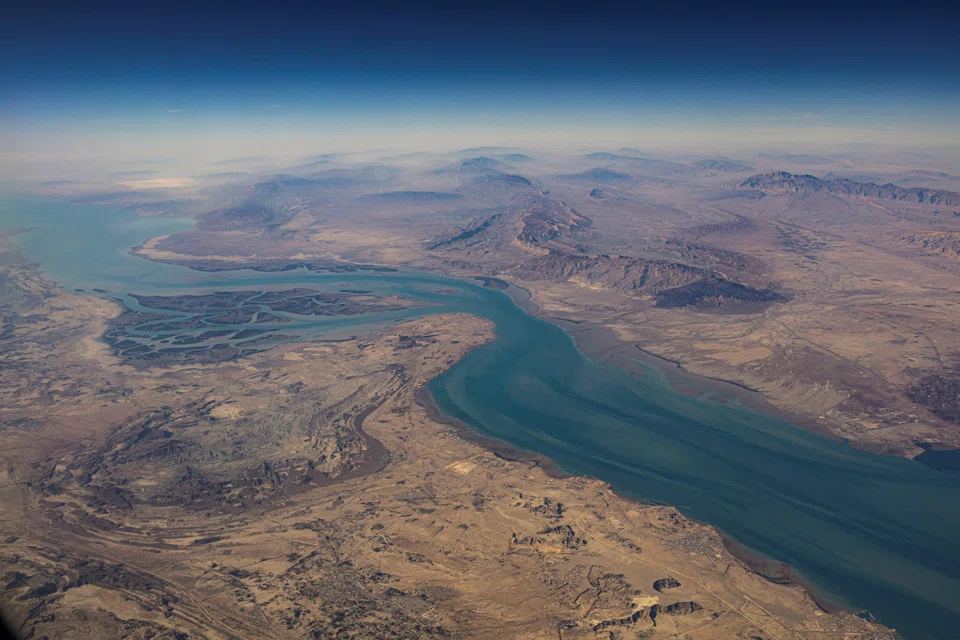
As escalating tensions in the Middle East lift the risk of supply disruption through the Strait of Hormuz, the bank examined a scenario consistent with a six-week halt in shipments through the key shipping channel.
In a report on Tuesday (Mar 3), its analysts said that Asian economies’ real gross domestic product growth would likely suffer from a decline in economic activity amid higher oil prices.
Singapore and Taiwan are among the markets most sensitive to such price increases, they noted.
Regional exposure
Fitch Solutions unit BMI, which looked at 22 economies in the Asia-Pacific, also expects economic growth to be affected if oil prices rise – with the fallout unevenly distributed.
In its Monday report, based on a hypothetical 10 per cent increase in Brent crude prices, the research house said that net importers in South and South-east Asia would take the hardest hits to growth.
'%3e%3cpath%20d='M12.1475%2025.5262C13.7713%2025.4295%2014.94%2023.913%2014.94%2021.8832C14.94%2019.5359%2013.474%2018.093%2011.5917%2018.093C11.3745%2018.093%2010.9582%2018.093%2010.8393%2018.1413V25.2086L11.8891%2025.5745C11.8891%2025.5745%2012.207%2025.5262%2012.1475%2025.5262ZM11.4934%2017.6281C13.2567%2017.6281%2014.3843%2016.4292%2014.3843%2014.4501C14.3843%2012.372%2013.275%2011.2973%2011.4339%2011.2973H10.8393V17.6305H11.4934V17.6281ZM6.66078%2025.6482L7.39265%2025.5492C8.02617%2025.4502%208.26403%2025.3053%208.26403%2025.1097V11.6149C8.26403%2011.4193%208.1451%2011.3709%207.23484%2011.249L6.68137%2011.173L6.6219%2010.7588H11.9508C15.7153%2010.7588%2017.0624%2012.0797%2017.0624%2014.1578C17.0624%2015.9666%2015.7748%2017.1909%2013.4969%2017.6305V17.7041C16.111%2017.948%2017.6571%2019.5382%2017.6571%2021.7636C17.6571%2024.3318%2015.8937%2026.0417%2012.1109%2026.0417H6.60132L6.66078%2025.6482Z'%20fill='%232B2B2B'/%3e%3cpath%20d='M20.6287%2025.6505L21.5596%2025.5515C22.1725%2025.4779%2022.4104%2025.3076%2022.4104%2025.112V11.249H21.9346C20.073%2011.3479%2018.982%2013.0095%2018.408%2014.6227L18.1907%2015.5018H17.6555L18.1701%2010.7588H29.3837L29.6421%2015.4787H29.1664L28.9491%2014.6227C28.3728%2012.8645%2027.3047%2011.2743%2025.5002%2011.249H24.9856V25.1856C24.9856%2025.3812%2025.1251%2025.4548%2025.9965%2025.5515L26.7695%2025.6505L26.829%2026.0417H20.5693L20.6287%2025.6505Z'%20fill='%232B2B2B'/%3e%3c/g%3e%3cdefs%3e%3cclipPath%20id='clip0_5242_21648'%3e%3crect%20width='24'%20height='16.8'%20fill='white'%20transform='translate(6%2010)'/%3e%3c/clipPath%3e%3c/defs%3e%3c/svg%3e)
But within Asean, Brunei could be a primary beneficiary. BMI said its economy could gain 0.3 to 0.6 per cent in the event of an oil price shock, since its oil and gas revenues account for roughly 40 per cent of its GDP.
Elsewhere in the bloc, Malaysia’s exposure is “genuinely ambiguous”. While a crude oil price increase will raise the government’s fuel subsidy bill, Petronas dividends and petroleum income tax would “more than offset it”, BMI said.
It added that Indonesia’s dynamic is similar to Malaysia’s, though its subsidy leakage is “historically larger”.

As for Singapore, it remains a net energy importer despite being a refining and trading hub. BMI noted that while the city-state’s direct oil intensity is low, it remains susceptible to pass-through via transport, utilities and regional demand, which “(soften) growth modestly”.
In Vietnam, higher transport and electricity costs could weigh on manufacturing and household demand, and pass-through and limited buffers might “amplify near-term growth slowdown”.
The impact on Thailand, meanwhile, would be exacerbated by its significant exposure to transport and petrochemicals. And the Philippines’ high import reliance threatens to erode real incomes and curb consumption-led growth, BMI added.
The research house identified Myanmar, Cambodia and Laos as the most exposed of the group, projecting GDP contractions of 0.3 to 0.6 per cent.
It noted that these nations share high fuel-import reliance and limited policy buffers, meaning that shocks are likely to permeate transport, power and food distribution costs, in turn stifling demand.
What’s ahead for Asia?
In their scenario of Brent prices climbing from US$70 to US$85 per barrel, the Goldman Sachs analysts said several economies could use subsidies or state-owned enterprises to dampen the pass-through of higher oil costs to consumers.
“While this protects domestic demand in the near term, it shifts the burden to sovereign balance sheets, and can potentially widen fiscal deficits if elevated prices were to persist for an extended period,” they added.
Amid a “highly uncertain” situation, they said “the intensity and duration of damage and disruption to oil production and transportation systems are the key variables that will affect oil prices and, by extension, the Asian economies”.
Despite this, the bank maintained its 2026 earnings growth forecast of 31 per cent for the MSCI AC Asia Pacific ex Japan Index.
“Spikes in geopolitical risk tend to have a negative short-term effect but dissipate over time,” it said in a separate note on Tuesday.
Decoding Asia newsletter: your guide to navigating Asia in a new global order. Sign up here to get Decoding Asia newsletter. Delivered to your inbox. Free.
Copyright SPH Media. All rights reserved.