LHN expects limited potential for co-working amid WeWork collapse

Tan Nai Lun
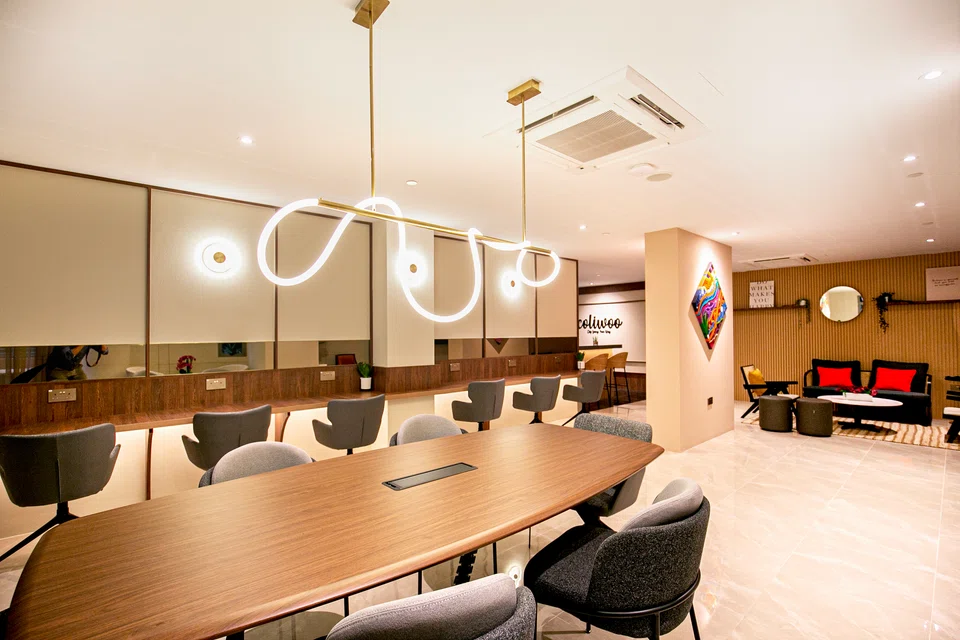
REAL estate management company LHN does not see the co-working space as an area with good growth potential, and is not looking to actively expand its business in the segment.
Instead, it will continue to focus on co-living and storage solutions for its space optimisation business, where it offers co-working facilities as part of a building’s shared amenities, said Kelvin Lim, executive chairman, executive director and group managing director of LHN.
This comes as co-working company WeWork last week raised “substantial doubt” about its ability to continue operating, citing sustained losses and cancelled memberships to its office spaces.
WeWork said that over the next 12 months, it will focus on reducing rental costs, negotiating more favourable leases, increasing revenue and raising capital.
The co-working company later clarified that it has no plans to exit any of its 14 locations in Singapore as it continues to track high occupancy here – although its landlords are watching movements carefully.
In response to queries by The Business Times, LHN’s Lim said the segment is not an area with good growth potential, based on its observation of the current demand trend for co-working spaces.
“Drawing on our extensive experience managing various types of space, we believe that co-working space is more suitable to be used as a facility of a building, rather than being run as a profit centre,” he said.
He added that it was a “deliberate choice” by LHN not to actively expand within this particular segment.
Instead, LHN said, its approach was to offer co-working facilities as a part of value-added shared amenities – a strategy it has adopted for space concepts and yielded positive results.
Lim said co-working spaces – as a facility offered within a building – help fulfil short-term needs for office work at more affordable costs.
This can eventually enhance tenant appeal and help to retain tenants within the building, as well as drive a notable upswing in property rental yields and rental rates for building owners.
Regardless, the co-working space business is not a significant area of business for LHN; it only operates at one location in Singapore, Lim noted.
In a report by Lim & Tan Securities last Thursday (Aug 10), the research team noted that LHN has been adding to its strong pipeline of co-living spaces, remaining as a leading co-living operator in Singapore in a booming co-living market with positive uplifts in demand.
LHN is also in the midst of divesting its logistics business, which should provide cash for the company overall.
The research team expects the remaining facilities management business to complement the space optimisation business, providing synergies across the company.
LHN’s Lim said: “We believe integrating a co-working facility as a value-added amenity is a strategic strategy to improve benefits for both tenants and building owners.”