

Maybank reviews portfolio as chip curbs hit data centres
Lenders are taking a closer look at such projects in the wake of new US rules
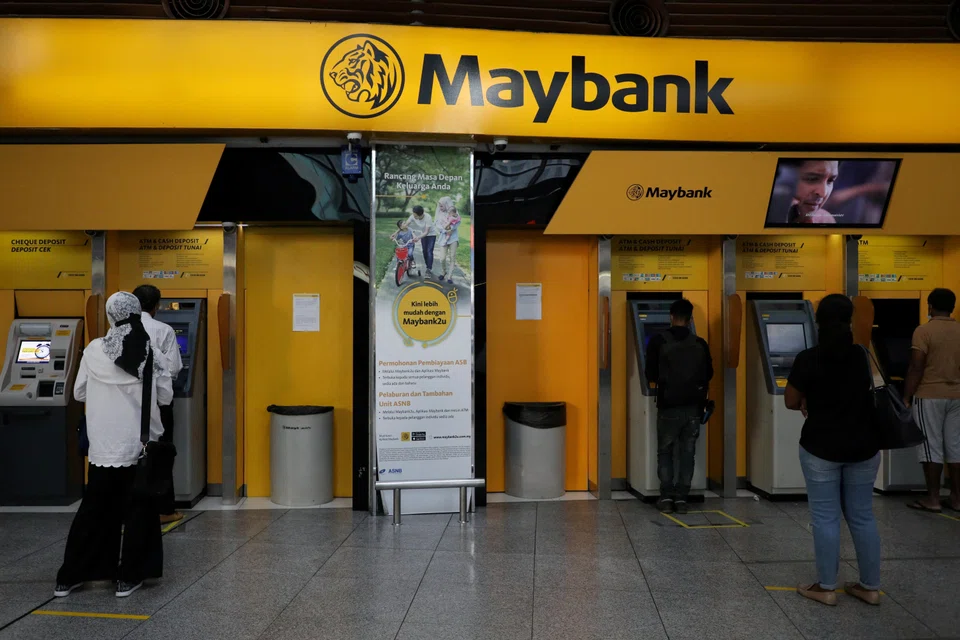
MALAYSIA’S largest bank is reviewing its portfolio for potential exposure to the latest US chip curbs, as it assesses how the restrictions could affect data centre clients and their funding needs.
“There is an increased level of scrutiny that is obviously required, given the new developments and the new policies affecting the compute financing,” Michael Oh-Lau, CEO of Maybank Investment Bank, said in an interview with Bloomberg TV.
Maybank will get clarity from its clients to ensure “they’re still well positioned to proceed with the financing requirements that they have”, he added.
Lenders are launching sweeping reviews of data-centre projects in the wake of tougher rules to curb Chinese companies’ use of advanced US chips in South-east Asian nations.
Banks from Citigroup to Standard Chartered are pressing clients for further details on who uses their chips and seeking proof they are in line with stricter export-control rules enacted by the US Commerce Department, Bloomberg reported on Wednesday (Nov 25).
Chinese demand a major factor
Though there is little public data, analysts estimate anywhere from 30 to 45 per cent of Malaysia’s data centre capacity is linked to Chinese demand.

While data centres also serve local and Western clients, the fastest-growing and more lucrative segment has been Chinese firms needing overseas access to advanced chips for artificial intelligence training.
Estimates by Natixis show that South-east Asian banks are the second-largest source of funding for China-linked data centres, after Chinese lenders.
Banks in the region, especially Singapore and Malaysia, will likely take a hit from the latest chip curbs, Natixis said in a report on Monday.


“Investors will need to recalibrate and adjust to the new norm,” Oh-Lau said. Still, he expects strong investment momentum to continue into 2027.
Malaysia’s economy has expanded above expectations for much of the year, supported by resilient domestic spending and demand linked to AI, which has fuelled semiconductor exports and a surge in data-centre investment.
Officials are assessing the potential impact of new US restrictions on growth, though the central bank governor predicted that the tech upcycle will be sustained into 2027.
Oh-Lau sees a strong pipeline of initial public offerings for 2027 following a blowout year for new share sales this year as more local companies reach scale. He expects some standout listings in the healthcare and technology sectors.
While geopolitical shocks and sharp movements in rates and currencies may affect sentiment, Oh-Lau said investors are beginning to see Malaysia as a defensive market against risk.
“We’ve never been this busy,” Oh-Lau said of 2026, adding that “Malaysia is a good place to be”. BLOOMBERG
Decoding Asia newsletter: your guide to navigating Asia in a new global order. Sign up here to get Decoding Asia newsletter. Delivered to your inbox. Free.
Share with us your feedback on BT's products and services
TRENDING NOW

Jensen Huang is gone. Nvidia’s controls still need explaining

Prive liquidators meet with creditors a year after restaurant group’s shutdown

Grab eyes financial services arm as next growth engine, targets US$500 million in segment Ebitda by 2028

Hong Leong completes 3-year overhaul of flagship building, business operations

