

Oil leaps 6% as Opec+ shocks markets by cutting output target
 Add BT as a preferred source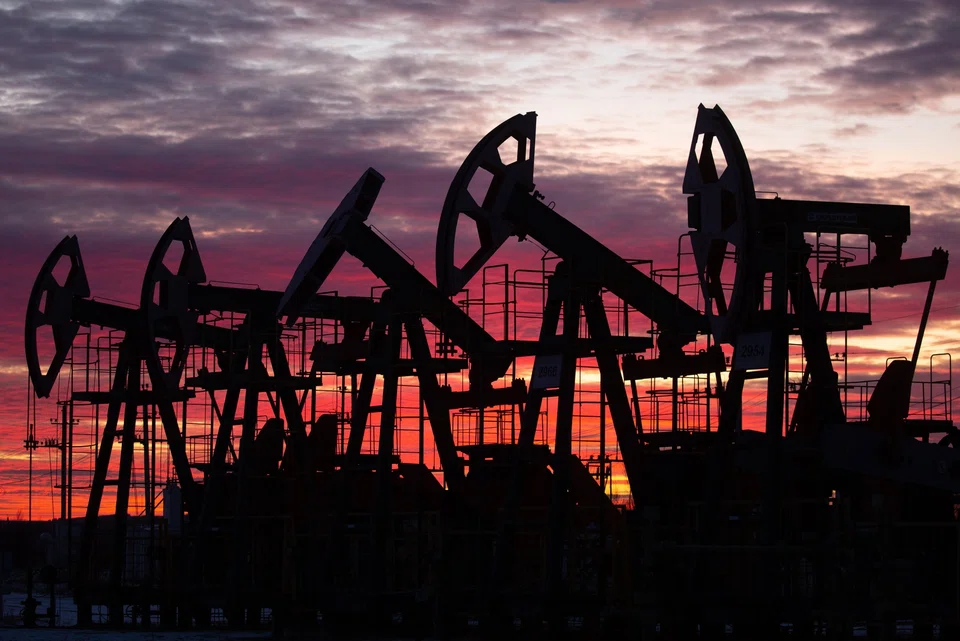
OIL benchmarks jumped 6 per cent on Monday (Apr 3), the day after the Opec+ group jolted markets with plans to cut more production, raising fears of tightening supplies while some warned of reduced demand if oil refiners flinch at paying higher prices for crude.
Brent crude settled higher by US$5.04, or 6.3 per cent, at US$84.93 a barrel, after touching its highest since Mar 7 at US$86.44. West Texas Intermediate crude settled up by US$4.75, or 6.3 per cent, at US$80.42 a barrel after rising to a two-month high during the session.
The Organization of the Petroleum Exporting Countries and allies including Russia, a group known as Opec+, shook markets with Sunday’s announcement that it will lower its production target by a further 1.16 million barrels per day (bpd).
The latest pledges bring the total volume of cuts by Opec+ to 3.66 million bpd including a 2 million barrel cut last October, according to Reuters calculations, equal to about 3.7 per cent of global demand.
US President Joe Biden’s administration said it was given a “heads up” on the production cut and told Saudi officials that it disagreed with it.
Opec had described the cuts as precautionary. Analysts said a weakening economy and rising oil stockpiles supported the decision. Last month, Brent prices had traded near US$70 a barrel, a 15-month low, on fears of weakening demand.
Since mid-December, US crude oil inventories have risen fairly steadily and hit their highest level in two years in the week ended Mar 17. Western sanctions on Russia also have led to a sizeable number of Russian crude cargoes looking for a home, Mizuho analyst Bob Yawger said.
Still, the Opec+ production curbs led most analysts to raise their Brent oil price forecasts to around US$100 per barrel by year-end. This in turn could prompt more aggressive interest rate hikes from central banks and gradually push economies closer to a recession, Yawger and others said.
US manufacturing activity slumped to the lowest level in nearly three years in March and could decline further on tighter credit and higher borrowing costs.


The inflationary jolt to the world economy from rising oil prices will result in more rate hikes, said Fawad Razaqzada, Market Analyst at City Index.
“People will not stop driving or travelling by plane because of high oil prices. Therefore, demand is only likely to get hurt moderately by rising oil prices,” he said.
Long-term, however, demand for energy could slump if oil refiners lower activity to counter rising input costs. Lower refining output could push prices at the pump to near last year’s record US$5 a gallon levels, Mizuho’s Yawger said.
The crack spread, or profit refiners make in converting crude oil to products, on Monday traded at its lowest since Feb 24. The US petrol futures contract rose almost 8 per cent to its highest since January and settled at US$2.76 a gallon, up about 2.1 per cent. REUTERS
Decoding Asia newsletter: your guide to navigating Asia in a new global order. Sign up here to get Decoding Asia newsletter. Delivered to your inbox. Free.
Share with us your feedback on BT's products and services
TRENDING NOW

Japan Home closing outlets; staff say Valu$ taking over operations

Marina Bay Sands casino’s winning streak puts pressure on rival Resorts World Sentosa

Father-and-son duo Raj Kumar and Kishin in exclusive due diligence to buy Scotts Square

When every phone becomes a satellite phone, what happens to Asia’s telcos?

