

Oil settles down, posts weekly loss as geopolitical risk premium ebbs
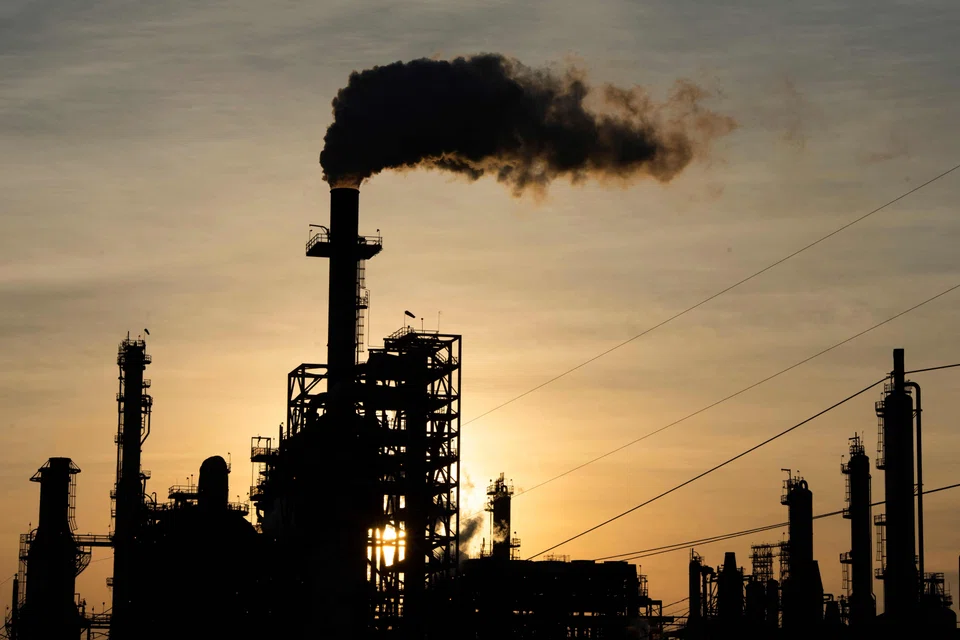
OIL prices settled more than 2 per cent lower on Friday (Nov 3) as supply concerns driven by Middle East tensions eased, while jobs data raised expectations the US Federal Reserve could be done hiking interest rates in the biggest oil consuming economy.
Brent crude futures were down US$1.92, or 2.3 per cent, to US$84.89 a barrel US West Texas Intermediate crude futures fell US$1.95, or 2.4 per cent, to US$80.51 a barrel.
Both benchmarks settled down more than 6 per cent on the week.
Hezbollah leader Sayyed Hassan Nasrallah, speaking for the first time since the Israel-Hamas war erupted, warned on Friday that a wider conflict in the Middle East was possible but did not commit to opening another front on Israel’s border with Lebanon.
“The market is taking this conflict in its stride, as it looks to be neither a significant demand or supply disruption event,” said John Kilduff, partner at Again Capital LLC in New York.
US job growth slowed more than expected in October, official data showed, while wage inflation cooled, pointing to an easing in labor market conditions.
The data bolstered the view that the Federal Reserve need not raise interest rates further.
The Fed held interest rates steady this week, while the Bank of England kept rates at a 15-year peak, supporting oil prices as some risk appetite returned to markets.
But a private sector survey on Friday showed that while China’s services activity expanded at a slightly faster pace in October, sales grew at the softest rate in ten months and employment stagnated as business confidence waned.
The data followed a reading from the National Bureau of Statistics on Wednesday that showed China’s manufacturing activity unexpectedly contracted in October.
On the supply side, Saudi Arabia is expected to reconfirm an extension of its voluntary oil output cut of 1 million barrels per day through December, based on analyst expectations.
The US House of Representatives easily passed a bill to bolster sanctions on Iranian oil in a strong bipartisan vote, but it was unclear how effective the legislation would be if signed into law.
While Congress can pass sanctions legislation, such measures often come with national security waivers that allow presidents discretion in applying the law.
China could also continue to import the oil despite new sanctions.
US energy firms this week cut the number of oil and natural gas rigs operating to their lowest since February 2022, energy services firm Baker Hughes said on Friday. REUTERS
Decoding Asia newsletter: your guide to navigating Asia in a new global order. Sign up here to get Decoding Asia newsletter. Delivered to your inbox. Free.
Share with us your feedback on BT's products and services
TRENDING NOW

GCash parent Mynt rises in market debut after South-east Asia’s top 2026 IPO

In the age of AI, what is a university education for?

Singapore to use ‘every legal and regulatory lever’ against companies linked to haze: Shanmugam
‘IPOs are not the only vehicle’: KKR heads for record exits even as firms stay private for longer

