

Oil spikes stir inflation risk: which Singapore stocks are the most defensive – and vulnerable?
The situation can also lead to a ‘higher-for-longer’ interest rate environment

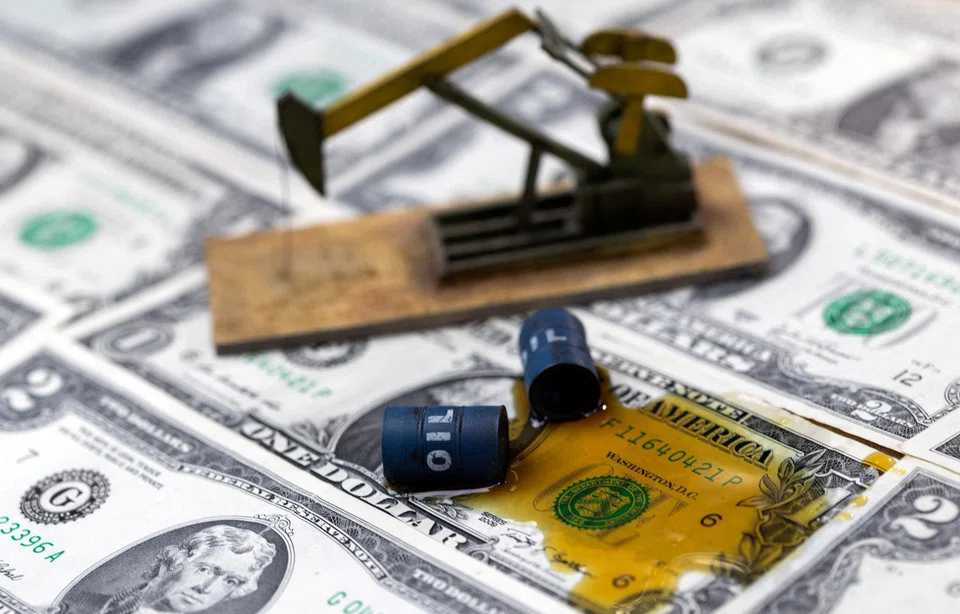
[SINGAPORE] With the possibility of a protracted conflict in the Middle East and the effectively closed status of the Strait of Hormuz – a vital artery through which roughly 20 per cent of global oil flows – markets and economies everywhere are bracing for implications from a sustained spike in oil and gas prices.
While Opec+ (Organization of the Petroleum Exporting Countries and its allies) has pledged to add supply, the physical constraint of shipping lanes and higher energy prices remains the primary risk to Asian inflation readings.
Inflation link
The immediate concern for Singapore and the broader region is the direct pass-through of energy costs into headline inflation.
According to OCBC Group Research on Monday (Mar 2), a sustained increase in oil prices will put pressure on regional economies, particularly net petroleum importers.
“Higher energy prices have a notable impact on inflation. Energy typically makes up around 8-10 per cent of consumer price index baskets, but during major shocks, it can account for up to one-third to one-half of headline inflation – with indirect effects amplifying the impact further,” Swissquote senior analyst Ipek Ozkardeskaya said in a Mar 2 note.
The immediate global concern is that rising energy costs are complicating the US Federal Reserve’s “last mile” towards its 2 per cent inflation target.
Ozkardeskaya warns that higher-than-expected US inflation data, paired with this oil shock, suggests that the final stretch of the Fed’s inflation fight “could be even more complicated than previously anticipated”.
For Singapore investors, this US struggle translates into a “higher-for-longer” interest rate environment.
OCBC notes that if imported costs remain high, the Monetary Authority of Singapore (MAS) may be forced to “tighten monetary policy earlier rather than later”.

Citi Research suggested on Tuesday that the conflict “could tilt MAS’ assessment of risk to inflation to the upside”, potentially leading to an earlier “slope steepening of the currency” to mitigate imported costs.
Deputy Prime Minister Gan Kim Yong said in Parliament on Monday that the Republic will reassess its growth and inflation forecasts if necessary.
Defensive havens: banks and industrials
According to analysts at Citi, certain sectors within the Straits Times Index have historically shown resilience or even a mildly positive relationship with rising oil prices.
“Internet, industrials, banks and property developers tend to be relatively more defensive,” Citi noted.
Specifically, OCBC , Yangzijiang Shipbuilding , Keppel , SATS and City Development Ltd were identified as top picks for the next six to 12 months, benefiting from defensive positioning.
Vulnerable sectors: Reits and consumer staples
Conversely, sectors sensitive to interest rate expectations and discretionary spending are expected to face headwinds.
Real estate investment trusts (Reits) are particularly vulnerable, taking up seven out of the bottom 10 spots in Citi’s correlation rankings. Higher oil prices raise worries over interest rate directions, pressuring valuations.
Names such as Lendlease Global Commercial Reit and Frasers Logistics & Commercial Trust show some of the strongest negative correlations.
Sheng Siong and other consumer names were deemed “exposed given potential impact on consumer wallets” as inflation bites.
The Singapore Exchange has historically been “vulnerable to the impact of higher oil prices”, appearing at the bottom of Citi’s correlation list.
Market outlook
Despite the looming macro drag, analysts believe Singapore may fare better than its Asean peers due to its “safe haven status” and a strong fiscal position.
OCBC highlights that Singapore possesses the fiscal resources to mitigate any potential fallout to households or businesses, citing the healthy FY2025 surplus.
“While we cannot ascertain how long the elevated oil prices could last given uncertainties on duration and scale of the Middle East conflict, we do see room for potential near-term tactical positioning within sectors,” Citi analysts said.
Yet, as Ozkardeskaya concludes, “the longer tensions persist and the wider they spread geographically, the greater and more durable the impact on energy prices”.
Decoding Asia newsletter: your guide to navigating Asia in a new global order. Sign up here to get Decoding Asia newsletter. Delivered to your inbox. Free.
Copyright SPH Media. All rights reserved.

