

Oiltek, Marco Polo Marine, Nam Cheong, OKP – Singapore boutique fund bets big on SGX small caps
It is drawn to factors such as their attractive valuations, strong balance sheets and industry tailwinds
Jermaine Fok
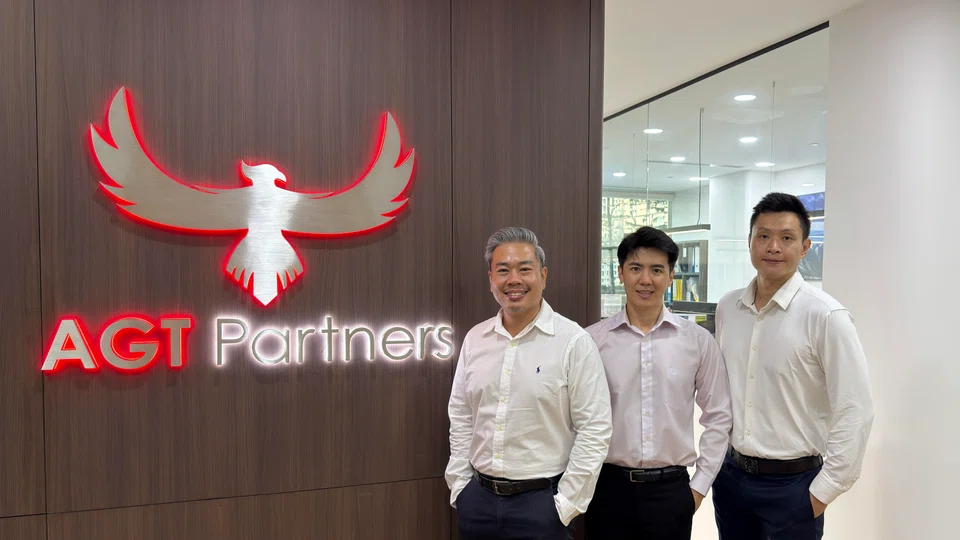
[SINGAPORE] A global equity fund has been steadily building positions in Singapore-listed small-cap stocks, with recent investments in Marco Polo Marine , Nam Cheong , OKP Holdings and Oiltek International .
The fund made headlines in June 2026 after emerging as a substantial shareholder of Marco Polo Marine. Its Ginko-AGT Global Growth Fund bought 700,100 shares in the marine logistics group for S$117,980.85, raising its stake to 195.94 million shares or 5.006 per cent.
The latest purchase works out to an average price of S$0.1685 a share.
Marco Polo is not the only Singapore small-cap whose shares are being scooped up by AGT.
In May, the fund picked up 50,000 shares in shipbuilder Nam Cheong for S$68,000, raising its stake to 6.009 per cent from 5.996 per cent previously.
A month before, AGT became a substantial shareholder of transport infrastructure and civil engineering group OKP Holdings, increasing its direct interest from 3.54 per cent to 6.51 per cent through a married deal. It acquired 16 million shares at an average of S$0.735 apiece.
The fund emerged as a substantial shareholder of Agritech firm Oiltek International in November 2024 after acquiring 25,200 shares for S$22,157.10 at an average of about S$0.879 a share; this translated to S$0.293 a share after a bonus issue in May 2025.
This year, Oiltek has traded as high as S$2.69, more than 800 per cent the price AGT paid.
Small is beautiful
Speaking to The Business Times, Darren Cheong, head of equity research at AGT Partners, named four factors that drew the fund to these companies: attractive valuations; strong balance sheets; favourable industry tailwinds that support mid to long-term growth; and preferably asset-light.

“Other than buying companies at a very cheap valuation, we would not want to be (stuck) in a valuation trap, so (we ensure that) strong tailwinds are... pushing them,” he said.
He cited Nam Cheong and Marco Polo as examples of companies positioned to benefit from cyclical recovery and longer-term structural trends.
He noted that both companies were affected by the downturn in the oil and gas sector from 2014 to 2018. While conditions began improving thereafter, the recovery was disrupted by the Covid-19 pandemic.
Post-pandemic, the sector has taken off.
Others behind AGT include CEO Gregory See, director and portfolio manager Avrian Tan, and director and portfolio manager Tim Kusumo, who together founded the MAS-licensed global equity fund in 2018.
Tan said that the fund invested in Marco Polo shortly after the pandemic, attracted by its valuations, improvements in management execution following a restructuring, and returns from its offshore wind-related ship chartering business in Taiwan.
“It took us five years to emerge as a 5 per cent substantial shareholder,” he said. He added that it was only when they deemed that Marco Polo had “good growth... and long-term potential” that they were “happy to purchase as a substantial shareholder”.
To fund the expansion of its shipyard business, Marco Polo recently proposed a S$139 million reverse takeover of Catalist-listed Fuji Offset Manufacturing, a plan which AGT described as an added “bonus” to its original investment thesis.
In the case of OKP, Cheong sees Singapore’s construction upcycle as a tailwind.
Construction demand is projected to grow this year, with about S$47 billion to S$53 billion in contracts expected to be awarded across the public and private sectors, supported by major projects such as Changi Airport Terminal 5 and the Marina Bay Sands expansion.
Cheong expects the “huge construction uptrend” to last for at least three to five years.
AGT’s interest in Oiltek was driven by what it viewed as attractive valuations, with the company trading at a negative enterprise value at the time of the fund’s investment.
The company’s cash holdings at the time represented a significant proportion of its market capitalisation, Cheong said.
AGT also believes that Oiltek’s growing focus in sustainable aviation fuel-related opportunities will help the company grow.
Its recent contract wins in this sector include a US$350 million sustainable aviation fuel facility in Sabah. Cheong believes Oiltek’s core business will continue to grow steadily, with relatively low capital needs.
After AGT’s buy-in of Oiltek, the company was upgraded from the Catalist to the SGX mainboard; it then hit a new record market value this April, becoming the first Catalist-origin stock to exceed a market capitalisation of more than S$1 billion.
What’s the game plan?
After putting so much time and funds towards tracking, researching and investing in these companies, what is AGT’s exit strategy?
“These are companies that we have followed for quite a while. We are not jumping on the bandwagon just because they are currently in favour,” Tan said.
For him, the ideal investment is a business it never has to sell – one where AGT can continue growing alongside the company and its management team over the long term.
“We don’t really see it as just buying stocks; we see it as investing in the business alongside the owners and management,” he said. “The initial valuation target or exit point that we have in mind is really more of a moving goal post, as we continue to understand the business better.”
The fund’s investment objectives include a target annual return of 20 per cent, while its strategies span long-term investing, active trading and quantitative investments.
It focuses on under-looked industries and undervalued companies in the Singapore market for longer-term investments. The strategy centres on identifying quality businesses at attractive valuations.
The fund cited sectors such as construction, technology and offshore oil and gas as areas it is currently monitoring.
“A lot of global investors are very comfortable with the Singapore landscape, due to the corporate governance here,” Tan said.
“This also gives us a lot more confidence when investing into lesser-known companies, in terms of ensuring that these are real businesses with substantiated numbers that we can trust”.
Decoding Asia newsletter: your guide to navigating Asia in a new global order. Sign up here to get Decoding Asia newsletter. Delivered to your inbox. Free.
Share with us your feedback on BT's products and services
TRENDING NOW
Companies still in search of AI use cases with worthwhile ROI, says Broadcom’s CEO

Malaysian king buys stake in Singapore-listed mining firm expanding into rare earths

Once staunchly pro-China, Malaysian Chinese businesses are now distancing themselves from Beijing

Singapore’s wealth management success should extend to everyday families

