

Pimco fund beating 97% of peers cuts Magnificent Seven to bet on Asia
Wall Street is growing sceptical over whether high valuations, soaring AI spending can justify further gains
 Add BT as a preferred source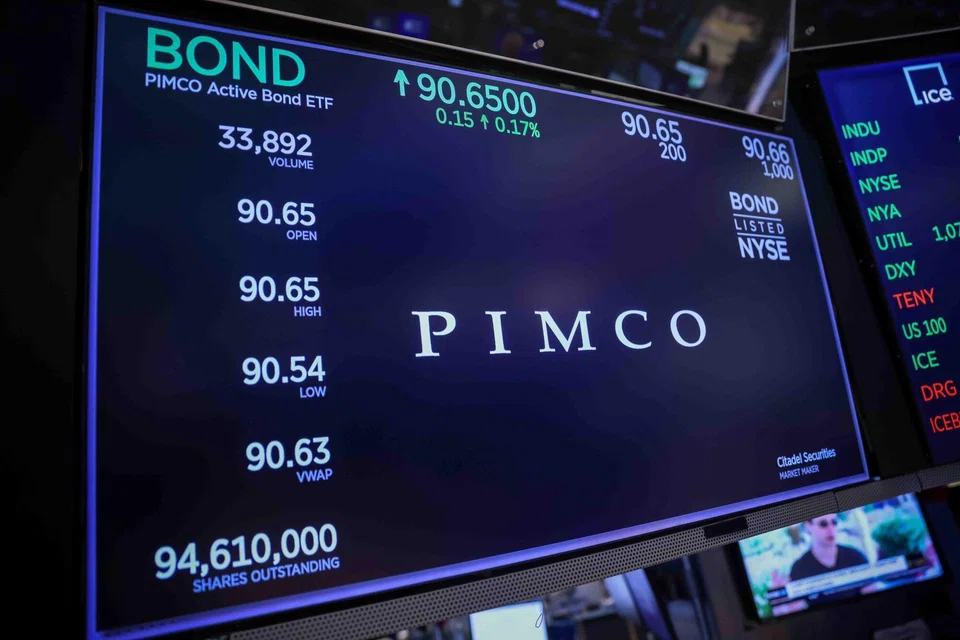
A TOP-PERFORMING fund manager at Pacific Investment Management (Pimco) is betting that the next winners of the artificial intelligence boom will be found beyond crowded American Big Tech firms, turning instead to Asian equipment suppliers, Chinese financials and healthcare stocks.
Emmanuel Sharef, who oversees Pimco’s flagship 60/40 Balanced Income and Growth Fund, said that many of the largest US tech companies have become less compelling as soaring AI spending drives up debt burdens and clouds their earnings outlook.
The fund, which according to data compiled by Bloomberg has nearly US$19 billion in assets, has outperformed 97 per cent of peers over the past three years.
“We’re underweight the majority of hyperscalers at the moment, and we’re underweight the majority of the Mag Seven just given their high valuations,” Sharef told Bloomberg News from Singapore earlier this week.
He was referring to the Magnificent Seven, a group of tech stocks comprising Google parent Alphabet, Amazon, Apple, Facebook owner Meta Platforms, Microsoft, Nvidia and Tesla.
“You don’t necessarily need to own the most expensive stocks in order to capture a particular theme or a particular market trend.”
The 60/40 Balanced Income and Growth Fund uses a systematic strategy based on value, quality, momentum and growth when choosing individual stocks.
Even so, the move reflects growing scepticism on Wall Street over whether high valuations and soaring AI spending can justify further gains. As geopolitical tensions, higher oil prices and sticky inflation weigh on markets, some investors are turning to cheaper areas for returns.
Asian winners
For now, Pimco remains overweight on Asia, citing strong earnings growth and exposure to companies further down the AI supply chain, said Sharef. He expects that conviction to hold as long as profit growth remains strong.



“The AI capex build-out is enormous,” he said. “It would imply significant demand for semiconductor components for chips, cooling equipment, cable interconnect, optical equipment, power supplies, construction equipment, metals, all of the things that go into building a data centre.”
The fund is also bullish on biotech and life sciences, a sector where Pimco has been steadily building exposure for roughly the past 18 months.
“Some of the earnings upgrades reflect the increased M&A that has been happening in the sector as large cap biotech companies have been trying to diversify their drug pipeline,” Sharef said.
“Given developments in artificial intelligence, there is potential for curing many more types of diseases by applying that technology.”
In China, the fund’s largest sector exposure is in financials thanks to their relatively lower volatility.
Sharef is also positive on materials stocks. The MSCI China Materials Index has climbed about 7.1 per cent over the past month, outperforming most major industry groups as rallies in gold and copper helped turn one of this year’s laggards into a market leader.
“Chinese resource extraction and materials companies are quite significant, not just for the data centre build-up, but also rare earths,” he added. BLOOMBERG
Decoding Asia newsletter: your guide to navigating Asia in a new global order. Sign up here to get Decoding Asia newsletter. Delivered to your inbox. Free.
Share with us your feedback on BT's products and services
TRENDING NOW

Eu Yan Sang family members sell Bishopsgate bungalow for S$40 million

Punggol East riverside plots totalling 25 hectares earmarked for housing, could yield over 8,000 new homes

Asia-Pacific aviation: is up really the only way?
52 Singaporeans arrested in China over suspected involvement in illegal pyramid scheme

