ESR Reit’s FY2026 DPU will drop if divestment proceeds are not redeployed: manager
Geopolitical tensions ‘have contributed to volatility in energy prices and inflation expectations’, it notes
 Add BT as a preferred source
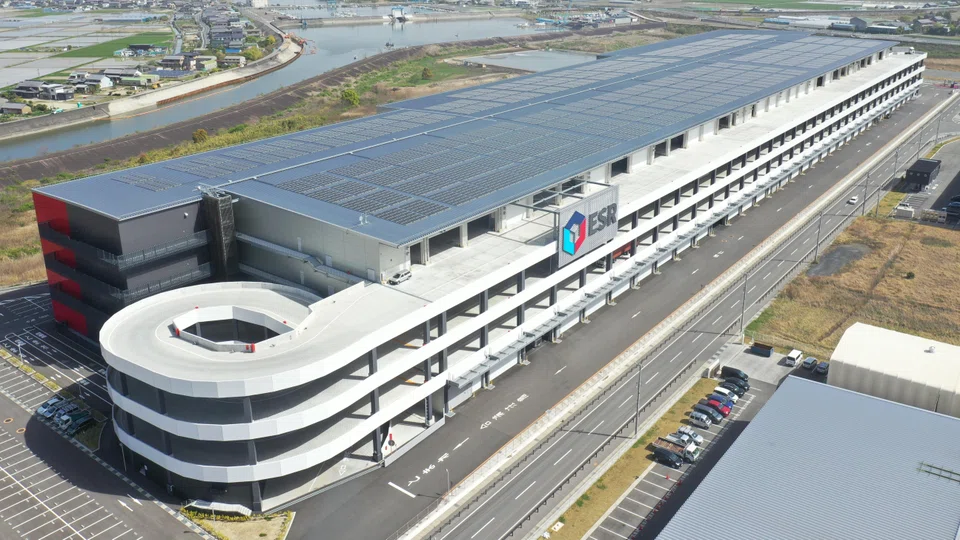
[SINGAPORE] The manager of ESR Reit has cautioned that the real estate investment trust’s (Reit) distribution per unit (DPU) will decline if the proceeds from its earlier divestments are not redeployed.
In a regulatory filing on Saturday (Apr 18), the manager said that its “immediate focus will be on ensuring balance-sheet and operational resilience, in view of global energy prices and the potential return of ‘higher-for-longer’ interest rates” arising from the Middle East war.
The proceeds from the sale of non-core assets for S$338.1 million in 2025 and a hotel for S$101.1 million in March 2026 will therefore be used to pare debts in the interim, pending redeployment.
“Should the divestment proceeds not be redeployed, there would be an expected decline in DPU for FY2026,” it added.
The manager was responding to a question from Securities Investors Association (Singapore) ahead of the Reit’s annual general meeting to be held on Apr 24. “Ongoing geopolitical tensions, particularly in the Middle East, have contributed to volatility in energy prices and inflation expectations,” the manager added.
However, it noted that the early recontracting of electricity contracts and the refinancing of Singapore dollar loans at lower margins are “expected to mitigate the loss in income due to divestments, pending redeployment of sale proceeds”.
The Reit’s gearing “will be reduced”, and its borrowing costs hedge rate will increase to about 70 per cent, the manager said, adding that this will result in “balance-sheet resilience to withstand the volatility in energy costs, supply-chain disruptions, and upward pressure on interest expenses”.
The manager also said in its replies to unitholders that Singapore is “expected to remain the largest market” in the Reit’s portfolio.
Supply-demand imbalance in the Republic is “expected to moderate rental reversions” to a mid-single-digit improvement over the next two years, from double-digit increases annually in the last three years.
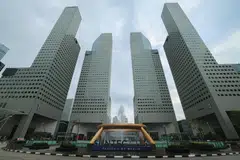

“Ongoing geopolitical tensions... alongside global supply-chain readjustments are expected to support demand for high-quality, well-located industrial space in Singapore,” it added.
ESR Reit will therefore “continue to invest in asset-enhancement initiatives and redevelopments” of its Singapore assets.
For Australia, higher construction costs are likely to discourage speculative supply entering the market in 2027, the manager forecast.
Rents are expected to “improve unevenly” across the country, amid lower supply, improving leasing activity and tightening vacancy rates in certain states.
“The key concern for Australia,” the manager said, “is the continued rise in interest rates in the near term due to sticky inflation resulting in negative spread between asset capitalisation rates and debt costs.”
It pointed out that if inflationary pressures persist, “there is a risk of upward pressure on capitalisation rates, which could in turn impact asset valuations”.
For Japan, vacancy rates in greater Tokyo area and Osaka are expected to drop and “support moderated growth in rents”, with the new supply of industrial space projected to decline to the lowest level in a decade.
“In contrast, regional locations, like Nagoya and Fukuoka are experiencing higher vacancy rates and slower rental growth due to increase in supply over the last two years,” the manager noted. Japan’s interest rates are “expected to continue their upward trajectory”, it added. Still, asset-capitalisation rates are expected to remain “relatively stable, with a still-positive spread between asset yields and financing costs”.
Units of ESR Reit rose 0.8 per cent or S$0.02 to close at S$2.47 on Friday.
Decoding Asia newsletter: your guide to navigating Asia in a new global order. Sign up here to get Decoding Asia newsletter. Delivered to your inbox. Free.
Copyright SPH Media. All rights reserved.