Sias quizzes Manulife US Reit manager, sponsor over recapitalisation plan

Tay Peck Gek
SECURITIES Investors Association (Singapore) has posed a string of questions to the manager of Manulife US Real Estate Investment Trust (MUST) on the plans to raise funds through a mix of asset dispositions and a sponsor-lender loan.
The investor watchdog met the sponsor, the senior management of the Reit’s manager, and about 300 unitholders on a virtual platform on Wednesday (Dec 6) to better understand the fund-raising proposal announced on Nov 29.
Following the discussion, the investor watchdog, known as Sias in short, sent the Reit manager’s board and chief executive officer a list of 13 questions on the proposed recapitalisation and sponsor-lender loan, as well as on a recent acquisition. Sias also asked whether the interests of the sponsor and manager were aligned with those of the unitholders.
Sias queried MUST’s manager on why the United States office-focused Reit was paying the sponsor an exit premium. “An ‘exit premium’ is unheard of in this part of the world,” said Sias CEO David Gerald.
Under the arrangement, the sponsor is to grant a six-year, US$137 million loan to MUST at an interest rate of 7.25 per cent, paid quarterly, with an exit premium of 21.16 per cent on maturity. This translates to an effective interest rate of 10 per cent per annum.
Sias also asked the manager about the negotiations over the interest rate and exit premium, as it was concerned about a conflict of interest. Gerald queried: “How did the board ensure that the interests of unitholders are taken care of, and in fact, prioritised over those of the Reit manager and the sponsor? Has the manager prioritised the interests of unitholders over those of the Reit manager and the sponsor?”
MUST’s manager had earlier said that the 10 per cent effective interest for the sponsor’s loan has been deemed by an independent financial adviser to be on normal commercial terms. There is currently no financing available for the US office market.
Sias wanted to know whether the Reit should take out a rights issue instead to raise funds; it also asked what the challenges and concerns are for doing so, including whether the potential risk of the manager losing control of the Reit was one of them.
On the concerns about interest alignment, the investor watchdog asked whether unitholders should continue to trust the manager when there appears to be “too much” misalignment.
Gerald also quizzed the manager and sponsor: “Are unitholders asked to sacrifice while the manager and the sponsor maintain status quo, or in fact, profit from this situation? What is the manager giving up? What is the sponsor giving up?”
Unitholders would also not be receiving distributions before December 2025, unless the Reit meets “early reinstatement conditions”, which are similar to the regulatory leverage limits in Singapore.
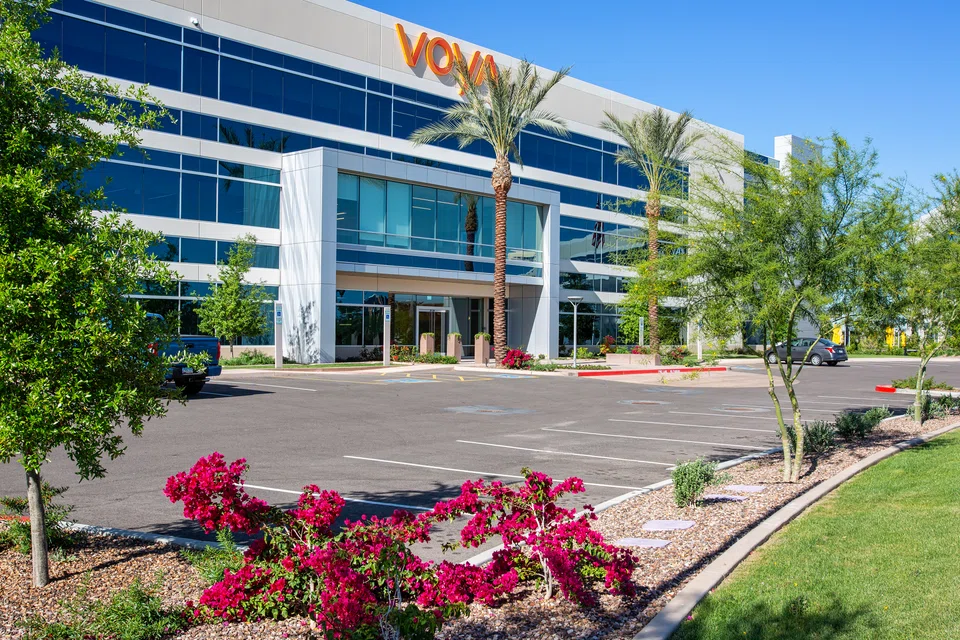
Sias also pressed for accountability for the loss of US$7.3 million from the proposed divestment of Park Place, MUST’s property in Arizona, to its sponsor. It noted that the property had been acquired only at the end of 2021, for US$106 million, on the prospect of fortifying the portfolio and it being an accretive move. The investor watchdog asked whether the manager had underestimated the extent of the Reit’s problem, as well as grossly misread the market.
Sias was concerned as well about the significant risk of the proposed recapitalisation plan having been leaked, possibly creating a false market and paving the way for insider trading. It also questioned the roles that the directors, particularly the independent directors, played in drafting the proposed recapitalisation plan, which aims to remedy a breach in its financial covenants.
The plan, which requires shareholders to vote on three inter-conditional resolutions at an upcoming extraordinary general meeting (EGM), seeks to “revitalise” the Reit, the sale of assets and realisation of value.
MUST breached its financial covenants in July, after its portfolio valuations fell 14.6 per cent, affecting its ability to pay out distributions. The Reit’s proportion of unencumbered debt to unencumbered assets exceeded the 60 per cent threshold; its aggregate leverage also crossed the 50 per cent regulatory gearing limit.
The EGM seeking unitholders’ approval for the divestment of Park Place, the sponsor loan, and the disposition mandate will take place on Dec 14.
MUST units closed up 22 per cent at US$0.072 on Wednesday.
TRENDING NOW
MAS allocates S$1.45 billion to five asset managers in third EQDP batch: Chee Hong Tat
‘My grandfather’s legacy’: Sherman Kwek lays out three-year plan for CDL to drive returns
He built the Vingroup empire. Now South-east Asia’s richest man is handing some key roles to his sons
‘How many will survive?’: Bubble fears arise as China’s humanoid robotics face reality check