

Samsung Electronics expands beyond consumers to B2B in South-east Asia
The company’s offerings are gaining traction in sectors such as education and hospitality

[SINGAPORE] South-east Asia’s digitalisation represents an opportunity for Samsung Electronics to expand into the business-to-business (B2B) market, as governments recognise and invest in digital infrastructure and innovation.
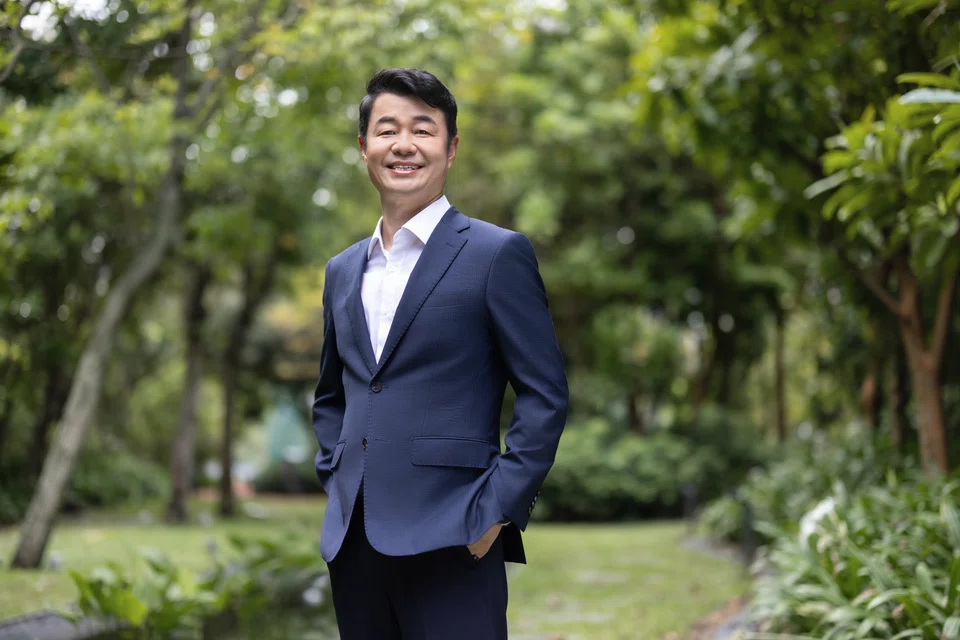
“This creates a highly favourable environment for businesses of all sizes, from large enterprises to small and medium businesses, enabling them to embrace intelligent technologies to drive growth, efficiency and resilience,” CU Kim, president and CEO of Samsung Electronics South-east Asia and Oceania, told The Business Times.
There is growing traction in several sectors for Samsung’s B2B offerings, including in education, hospitality, construction and the public sector.
In Indonesia, Samsung has rolled out its Digital Lighthouse School programme, working with two schools: Al Muslim Bekasi and Salman Al Farisi Bandung. As part of the programme, more than 2,500 students and teachers were given Galaxy tablets to digitalise the learning experience.
In Malaysia, Samsung is showcasing a Bespoke AI home unit at property project The Camellia, with buyers able to purchase the smart-home offering along with their property.
Samsung is also seeing traction among small and medium-sized enterprises (SMEs) for its B2B offerings, which range from displays to platforms such as mobile security platform Samsung Knox and devices management platform SmartThings Pro.
The SmartThings Pro platform has over 380 partners that can integrate and work with the platform, aside from Samsung’s own products.
“These businesses are increasingly looking for integrated solutions that are easy to deploy, localise and deliver immediate impact,” said Kim.
In the Philippines, Samsung has inked a memorandum of agreement with Lobien Realty Group to offer its B2B solutions to SMEs.
Samsung has also opened three Business Experience Studios in Singapore, Bangkok and Jakarta, to showcase B2B solutions to prospective customers. These spaces allow Samsung to co-create solutions with their customers, to address their challenges.
Kim said this new focus on B2B is not a pivot away from consumers, but rather an expansion of its ecosystem. Samsung always had a foundation in B2B, and the strategy on vertical integration and intelligent solutions is targeting accelerated growth enterprise and consumer segments.
“In South-east Asia and Oceania, we are seeing strong momentum in our mobile, home appliances and visual display categories, especially among younger, mobile-first consumers,” said Kim.
Samsung is also looking to make artificial intelligence (AI) more accessible, with 77 per cent of Samsung users in South-east Asia and Oceania using Galaxy AI.
“Ultimately, our consumer and B2B strategies are deeply connected, creating a seamless experience that benefits everyone, from individuals to organisations,” said Kim.
On the B2B front, Samsung will build on its security and privacy foundations in its implementations of solutions in public safety, retail, healthcare, hospitality and education.
It will also strengthen its health and wellness portfolio, integrating wearable technology with digital platforms to expand its preventive health ecosystem.
Additionally, investments will be made into emerging technologies in the heating, ventilation, air conditioning and enterprise solutions field.
TRENDING NOW

Britain’s mansion tax shows the difficulty of targeting wealth

Once staunchly pro-China, Malaysian Chinese businesses are now distancing themselves from Beijing

The only common thing in S-E Asia is that we all eat rice: Cisco’s Asean president

Singapore data centre operator DayOne opts for US IPO at likely US$20 billion valuation

