



Singapore, Asia markets end largely higher after Fed pause and MAS hold as focus shifts to earnings
Investor attention is shifting towards fundamentals and AI-linked growth themes in the region
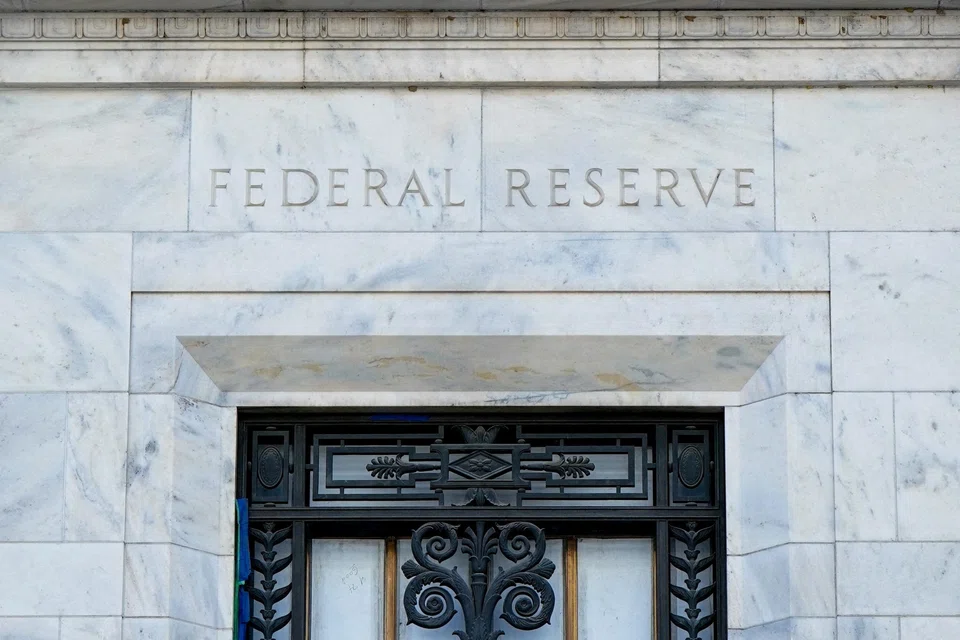
[SINGAPORE] Markets in Asia broadly gained ground on Thursday (Jan 29) after the US Federal Reserve opted to leave interest rates unchanged during its first policy gathering of the year on Wednesday.
This marks an expected pause to the Fed’s rate-cutting cycle following three consecutive cuts in 2025. Fed chair Jerome Powell cited improvements in the US’ economic outlook and reduced risks to inflation and employment – a shift that cooled expectations for near-term rate cuts.
Jean Boivin, head of the BlackRock Investment Institute, said: “This hawkish shift in tone doesn’t change the story much overall – even with the two dissents in favour of a rate cut.”
He added that the pricing of future Fed rate cuts remains little changed, with markets eyeing two quarter-point rate cuts this year, but the first not fully priced in until July.
In Asia, markets ended largely higher on Thursday. Singapore’s Straits Times Index was up 0.4 per cent, while Hong Kong’s Hang Seng Index advanced 0.5 per cent.
South Korea’s Kospi gained 1 per cent while Japan’s Nikkei 225 closed relatively flat. The FTSE Bursa Malaysia KLCI retreated 1.5 per cent.
Meanwhile, the Monetary Authority of Singapore (MAS) kept its monetary policy settings unchanged for the third consecutive quarter while raising its full-year core and headline inflation forecasts to a range of 1 to 2 per cent, from its previous range of 0.5 to 1.5 per cent.
Looking ahead, analysts noted that investors are shifting their focus towards company fundamentals for decision-making.
Refocus on fundamentals
Tai Hui, Asia-Pacific chief market strategist at JP Morgan Asset Management, noted that regional sentiment may now hinge on corporate performance rather than policy shifts, given that the Fed’s shift away from a dovish bias was expected.


“The latest earnings from US tech companies could be more influential as their outlook could drive demand for semiconductors in North-east Asia,” he said.
Similarly, Ray Sharma-Ong, deputy global head of multi-asset bespoke solutions at Aberdeen Investments, expects markets to “refocus on fundamentals, favouring sectors with strong earnings visibility”.
He noted that growth in artificial intelligence (AI) and the technology space remains a key structural theme.
“Component suppliers supporting rising AI-related capital expenditure – particularly in infrastructure, semiconductors and equipment – should continue to benefit strategically,” he said.
Within Asia, he expects Singapore to benefit from regional data centre expansion. Taiwan, Japan and South Korea were also cited to benefit from structural growth in the AI and technology space.
Adding to this industry-specific optimism, Hui noted that the ongoing depreciation of the US dollar is expected to help drive capital inflow into Asia-Pacific, supporting both the region’s equities and fixed income.
Similarly, Jesse Liew, chief investment officer of Asean fixed income at Principal Asset Management, said foreign exchange rates in Asean may remain resilient against the greenback, “supported by expectations of eventual Fed cuts, credibility considerations and relatively stronger growth outside the US”.
As for Asean bond markets, he noted that a stickier US policy backdrop implies a “higher-for-longer bias”, meaning lower expectations for reduced interest rates.
In the absence of signals for growth weakness, he said that Malaysia and Indonesia are likely to keep policy rates unchanged.
Looming leadership transition
In the bigger picture, BlackRock’s Dr Boivin noted that the Fed statements at this stage are “overshadowed” by the expected near-term announcement of a new Fed chair nominee to replace Powell in May.
The general expectation is for someone more dovish to succeed Powell, while the theme of governmental pressure on the Fed to cut interest rates is expected to continue, said Matthias Scheiber, senior portfolio manager and head of the multi-asset solutions team; and Rushabh Amin, portfolio manager for the multi-asset solutions team at Allspring Global Investments.
Jack McIntyre, portfolio manager at Franklin Templeton’s Brandywine Global, expects the central bank to take on a “more activist role” under the next Fed leader. This includes “pulling more levers to impact the economy and markets – not just setting policy rates”.
Decoding Asia newsletter: your guide to navigating Asia in a new global order. Sign up here to get Decoding Asia newsletter. Delivered to your inbox. Free.
Copyright SPH Media. All rights reserved.






