Same QR code, more customers? Tencent’s play to connect small shops with overseas wallets
TenPay Global, Tencent’s cross-border payment business, has been linking small merchants in China with more overseas wallets without requiring new set-ups
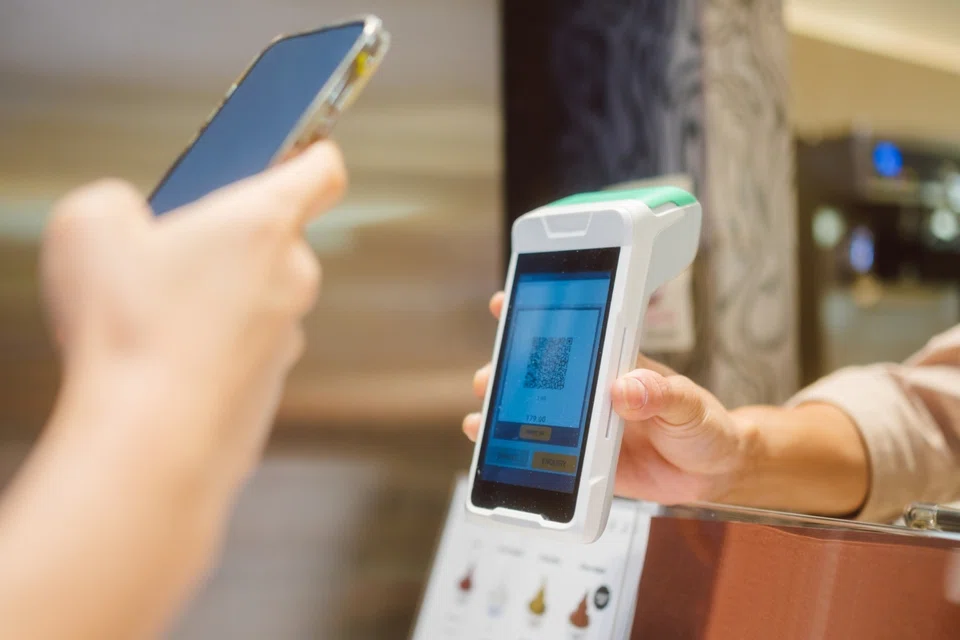
Since September 2025, more small shops in China can receive payments from tourists’ digital wallets without buying separate equipment, changing their QR codes, or signing up for anything new.
TenPay Global, Tencent’s cross-border payment platform, connects overseas wallets to Weixin Pay’s merchant network through China’s Cross-border Interconnection Payment Gateway (CPG), launched that month.
Weixin Pay, known internationally as WeChat Pay, is one of China’s two dominant payment systems. Tens of millions of merchants are connected to it in China, it said.
This connection lets small merchants serve foreign customers through their existing payment set-up, while visitors can pay through apps they use at home, said Daniel Hong, vice-president of Tencent Financial Technology.
The gateway, approved by regulator the People’s Bank of China, gives payment institutions globally a single-point connection to China’s QR payment network. TenPay Global is a designated foreign institution partner of the gateway.
Over 60 overseas digital wallets from 16 countries and regions, including Singapore and Thailand, are now connected to CPG – up from just a “handful” in September 2025, Hong said.

TenPay Global’s service supported more than one million inbound users in the first half of 2026, he added.
From January to August 2026, the value and number of overseas e-wallet transactions in China through Weixin Pay rose 80.6 per cent and 81.8 per cent year-on-year respectively. TenPay Global did not disclose absolute figures.
Beyond easier QR payments, Hong believes that growth is also due to the expansion of China’s 240-hour visa-free transit policy, and improved departure tax refunds.
Lowering barriers, expanding access
The World Bank noted in March 2026 that wider acceptance of digital payments can create economy-wide gains, with small merchants gaining better access to services like credit.
But small merchants typically see low-value transactions and thin margins, so the costs of onboarding, new devices, and service fees can make it hard for them to accept digital payments.
TenPay Global’s service makes cross-border QR payments viable for small businesses, street vendors and individual operators, Hong said, because they can be enabled “at negligible marginal cost per transaction”.
What changed at check-out
TenPay Global, Tencent’s cross-border payment platform, connects overseas wallets to Weixin Pay’s merchant network through China’s national payment infrastructure.
What this means for…
Visitors: They can pay at Weixin Pay merchants in China through digital wallets they already use at home without downloading WeChat, the international version of Weixin. Exchange rates and deducted amounts are shown in the user’s local currency and language.
Merchants: No new hardware, separate onboarding or changes to their existing QR codes and settlement processes are needed to accept payments from supported overseas wallets. TenPay Global converts incoming foreign-wallet payments into standardised Weixin Pay transactions in real time.
Hong sees the move towards shared, interoperable infrastructure such as CPG as part of the “rewiring” of the financial system.
“The gateway and single-point integration model provide a scalable way to connect more wallets and markets,” he said, instead of rebuilding the infrastructure market by market.
Reducing friction in financial transactions is one of fintech’s core goals, added Hong. “For merchants, that includes reducing the cost and operational burden of accepting new payment methods.”
This was produced in partnership with the Monetary Authority of Singapore and the Global Finance & Technology Network.
For more stories, go to bt.sg/sff26
Decoding Asia newsletter: your guide to navigating Asia in a new global order. Sign up here to get Decoding Asia newsletter. Delivered to your inbox. Free.
Share with us your feedback on BT's products and services