

M1-Simba deal: What are frequency spectrums and when does their use become unauthorised?
Unassigned use may allow operators to gain an unfair advantage, IMDA says

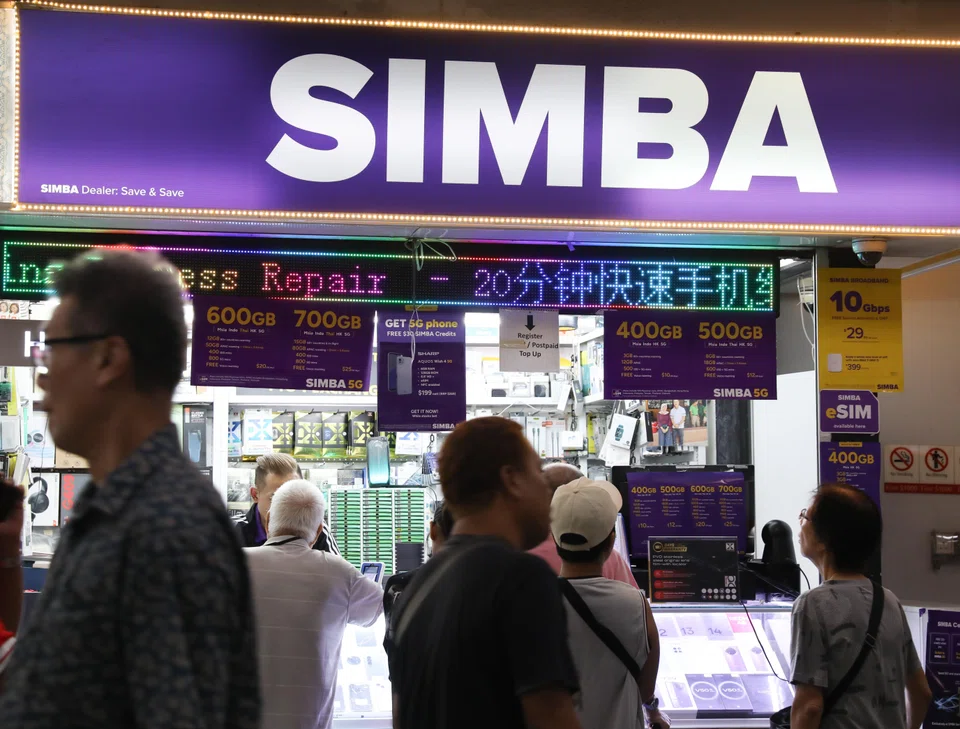
[SINGAPORE] A proposed consolidation of M1 and Simba Telecom has been put on pause, after it emerged that Simba may have been using radio frequency bands it was not assigned to provide mobile services.
If confirmed, Simba would have breached Singapore’s Telecommunications Act, which governs the unauthorised use of frequency spectrum, as well as the conditions of its Facilities-Based Operations Licence, the Infocomm Media Development Authority (IMDA) said on Monday (May 18).
What are frequency spectrums, and how can providers tap these spectrums without detection?
What is spectrum frequency?
Spectrum frequencies are airwaves that are used for wireless communication. Such wireless communication includes radio-communication services, the transmission of radio and television services as well as mobile telephone services.
Key telecommunication services are assigned their own frequency spectrum channels. This means that specific services are allocated their own spectrum channels.
Otherwise, there could be interference of services, affecting consumers’ experience – much like how cars may collide if they do not keep to their own lanes on the road.
The amount of spectrum a mobile operator obtains will therefore have an impact on its network planning, infrastructure investment and deployment to serve its customers.
How are spectrum frequencies assigned?
In Singapore, IMDA is the national custodian of spectrum frequencies. This means that it has the authority to allocate and assign spectrum frequency to eligible operators, including mobile operators, for their dedicated use.
Mobile operators are permitted to use only the spectrum frequency assigned to them.
SEE ALSO




To ensure a level playing field for all mobile operators, the assignment of dedicated spectrum for mobile services is typically done through a competitive process. For example, IMDA conducted an auction in 2021 for frequencies of the mobile 5G services.
Operators may also request to use certain frequencies on a temporary basis to improve their ability to serve more customers during specific occasions, such as during a New Year’s Eve countdown. Operators need to seek separate approval from IMDA for these requests.
When are operators in breach of the rules?
In response to media queries, IMDA said that licensees of spectrum frequencies are expected to comply with regulatory requirements. “They are aware of the frequency bands assigned to them and that they may not use other frequencies without IMDA’s approval,” it added.
Any use of spectrum frequency that is beyond the assigned bands or without IMDA’s prior approval would constitute unauthorised use.
“This is a serious matter as the unauthorised use of frequency spectrum may cause interference to other services, and allow operators to gain an unfair advantage,” the authority said.
It pointed out that it conducts technical checks regularly, and will not hesitate to take enforcement action if breaches are found.
Enforcement action includes financial penalties on licensees.
IMDA declined to comment on the ongoing investigations involving Simba.
What next?
Asset manager Keppel – which in August 2025 proposed the S$1.43 billion sale of its M1 telco business to Simba – said that it will respect IMDA’s decision. Keppel said on Monday that it will allow the sale and purchase agreement between M1 and Simba to lapse upon reaching the long-stop date on May 21. It will also start on a plan to restructure M1, with a focus on rightsizing and cost reduction.
Decoding Asia newsletter: your guide to navigating Asia in a new global order. Sign up here to get Decoding Asia newsletter. Delivered to your inbox. Free.
Copyright SPH Media. All rights reserved.
TRENDING NOW

DBS, OCBC, UOB rout lops billions off STI as inflation, rate concerns spook investors

Grab CEO’s wife Chloe Tong on life with Anthony Tan and finding her purpose

OCBC sheds S$8 billion in value as shares close nearly 6% down; analysts cautious on banks

Deal between tycoon friends sparks scrutiny of Philippine power sector

