

OpenAI is so yesterday — even for SoftBank
Global markets pivot from AI model makers to chipmakers tied to the data-centre boom
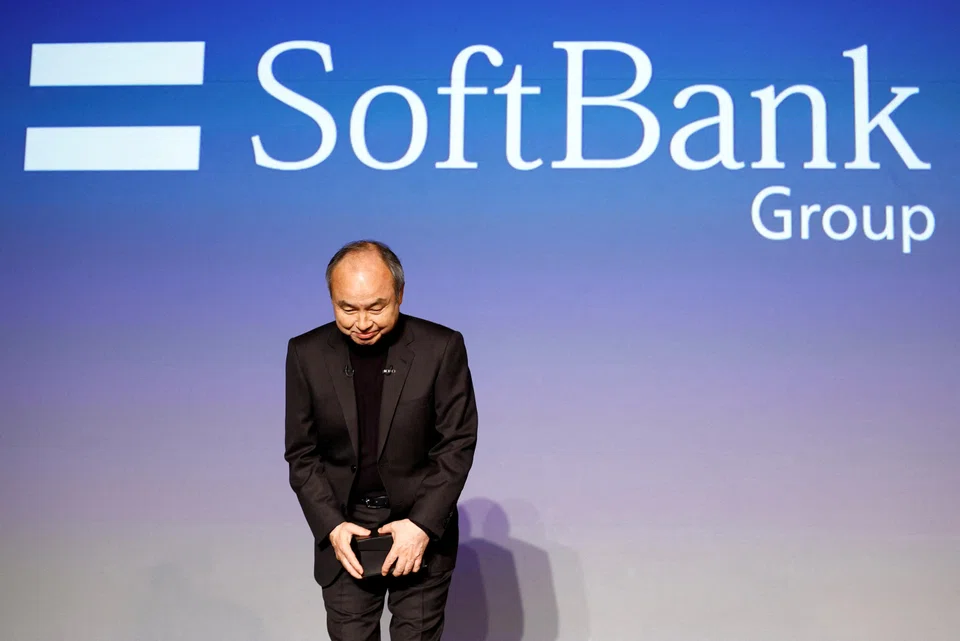
SOFTBANK Group founder Masayoshi Son is known for making audacious multibillion-US dollar bets. Some acquisition deals, such as chip designer Arm Holdings, have paid off nicely, while others, most notoriously WeWork, became big flops. So what about OpenAI, by far Son’s largest investment?
In March, the ChatGPT maker completed a historic funding round, raising US$122 billion, with SoftBank promising to put in US$30 billion more. Upon completion of this follow-on investment, the Japanese conglomerate will have deployed US$64.6 billion into the AI startup, for about a 13 per cent stake.
Son has done very well with the first US$34.6 billion, most of which was invested last year at a US$260 billion valuation. The latest funding round, which pegs OpenAI’s valuation at US$852 billion, will allow his firm to book US$45 billion in paper gains, implying a 129 per cent return, according to Bloomberg Intelligence.
Whether this year’s investment will pan out is far from clear, however. Since OpenAI’s March funding close, there have been noticeable shifts in capital markets. Anthropic, founded in 2021 by a group of former OpenAI employees, is gaining momentum with a new model that the company claims can detect security vulnerabilities in critical software programmes. It is weighing a fresh funding round at over US$900 billion valuation, more than what OpenAI fetched in March.
Global equity markets have also moved on from developers that build foundational models to chipmakers that might benefit from the AI data-centre boom. The Philadelphia Semiconductor Index is witnessing a blistering rally, gaining 54 per cent since late March.
Arm, acquired a decade ago for around US$31 billion, is worth more than US$220 billion. Much of the value creation was incurred in recent weeks, as investors bet that data centres will deploy a lot more central processing units, or CPU, to power AI applications. Arm, which traditionally makes money by licensing its CPU architecture to bigger companies like Nvidia, has decided to make the chips itself.
The win from Intel is even more impressive. A US$2 billion investment made last August is now worth US$9.4 billion, or about 370 per cent in total return. Seen in this light, Son’s US$30 billion commitment to OpenAI this year is no longer looking so savvy.
But liquidity is as important as paper gains. There are already signs that capital markets are souring on Son’s biggest bet. SoftBank is seeking a US$10 billion margin loan backed by its OpenAI holdings. Discussions have included a potential initial interest margin of about 425 basis points over benchmark, working out to about 7.88 per cent interest despite its collateralised nature. This cost of borrowing is high, considering SoftBank paid only 8.5 per cent for an unsecured 10-year US dollar note in April.
Arm and Intel’s liquidity conditions are marvels by comparison. Despite Arm’s low public float – SoftBank’s stake is about 87 per cent – the chip designer’s daily turnover has ranged from US$1.4 billion to US$1.7 billion lately, allowing traders to easily enter and exit multimillion-US dollar positions. This in turn gives bankers’ comfort to provide low-cost margin loans, allowing SoftBank to cash out without offloading its assets.
SEE ALSO

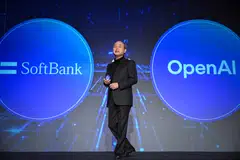

The fact that SoftBank cannot cash out from OpenAI is a big problem for Son, who habitually uses leverage to juice up returns. The firm is staring at a US$32 billion funding shortfall, based on estimates from research outlet CreditSights.
This perhaps explains why SoftBank is planning to create an AI and robotics company, named Roze, and list it in the US later this year. After all, OpenAI’s pathway to a public listing is becoming hazy. It has reportedly missed its own revenue targets and discussed spinning out loss-making robotics and consumer-hardware divisions.
The group is planning to hold an analyst day at a data-centre facility in Texas in July to promote the Roze IPO. By talking up physical AI instead, Son is essentially admitting that even SoftBank is moving on. BLOOMBERG
Decoding Asia newsletter: your guide to navigating Asia in a new global order. Sign up here to get Decoding Asia newsletter. Delivered to your inbox. Free.
Share with us your feedback on BT's products and services
TRENDING NOW

Once staunchly pro-China, Malaysian Chinese businesses are now distancing themselves from Beijing

Britain’s mansion tax shows the difficulty of targeting wealth
Three hats, one goal: How Ng Kian Swan runs sustainability at NUHS

COE review: The gap between luxury and mass-market cars isn’t the only one worth bridging

