

Samsung shares soar as strike averted, but bonuses of US$416,000 for some stoke concern
Samsung is expected to set aside about 10.5% of operating profit for special bonuses for the chip division
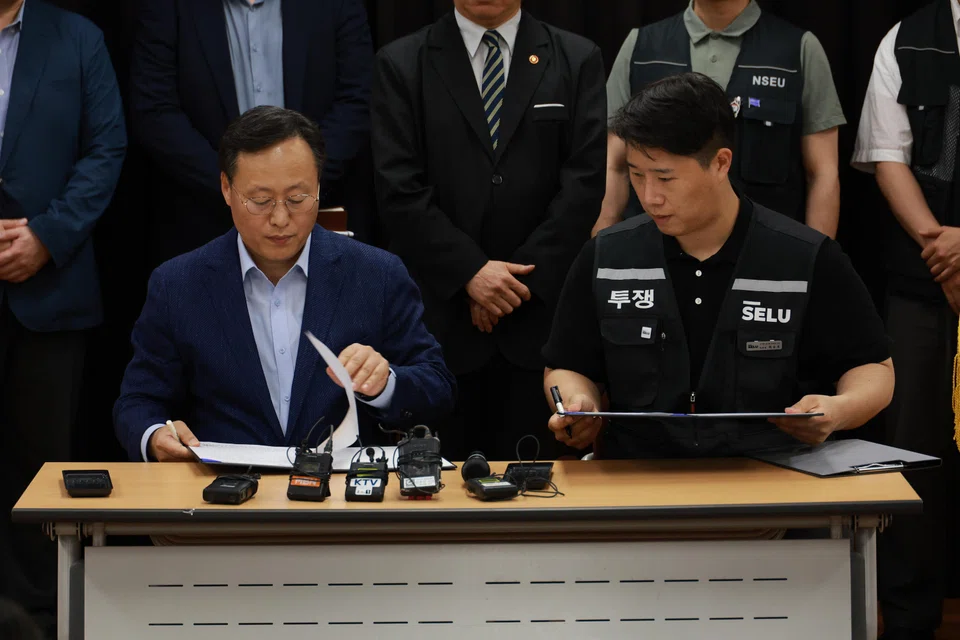
[PYEONGTAEK, South Korea] Samsung Electronics’ shares surged on Thursday (May 21) after it clinched an 11th-hour deal with its South Korean union to avert a strike, although the terms which included bonuses of around US$416,000 for some workers gave rise to some concern.
A planned 18-day strike by some 48,000 union members has now been suspended, while the agreement, which was mediated by the government, is put to a vote between May 22 and May 27. The union’s leader has said he expects it to be ratified.
The deal sparked relief across South Korea. Samsung accounts for about a quarter of the country’s exports and the planned strike was expected to inflict significant damage to the economy and dent global chip supply if it went ahead.
Samsung’s shares and the benchmark Kospi both rocketed nearly 8 per cent higher in morning trade.
Special bonuses to be mostly stock
While investors were relieved that the strike appeared to have been averted, the agreement was not entirely positive as it had resulted in substantially higher labour costs, said Ryu Young-ho, a senior analyst at NH Investment & Securities.
On the upside for Samsung, the plan to pay performance bonuses in stock rather than cash could lower the immediate financial burden on the company, he added.
A union demand that 15 per cent of operating profit be allocated towards bonuses was also pared back.
Under the deal, Samsung is expected to set aside about 10.5 per cent of operating profit for special bonuses for the chip division, which houses its memory and logic chip businesses, according to the union.
A document showed these bonuses would be paid in company stock for at least 10 years and conditional upon the chip division achieving more than 200 trillion won (US$135 billion) in annual operating profit from 2026 to 2028 and 100 trillion won from 2029 to 2035.
SEE ALSO

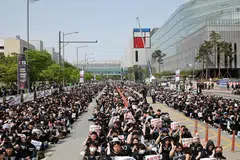



A memory chip worker with a base salary of 80 million won, for example, is expected to receive a bonus of around 626 million won or US$416,000 this year, mostly paid in stock, a union source said, declining to be identified.
Samsung Electronics’ chip division chief Jun Young-hyun urged staff in a letter seen by Reuters to “leave behind this time of conflict” and unite to strengthen the company’s global competitiveness and long-term growth. REUTERS
Decoding Asia newsletter: your guide to navigating Asia in a new global order. Sign up here to get Decoding Asia newsletter. Delivered to your inbox. Free.
Share with us your feedback on BT's products and services
TRENDING NOW
Companies still in search of AI use cases with worthwhile ROI, says Broadcom’s CEO

Beauty World Plaza up for collective sale for S$165 million

Trouble in paradise: Bali runs low on fuel, sparking long lines at pumps

Philippine power giant First Gen rebuffs foreign offers, plans up to US$2.6 billion in expansion

