Tencent scraps plans for VR hardware as metaverse bet falters: sources
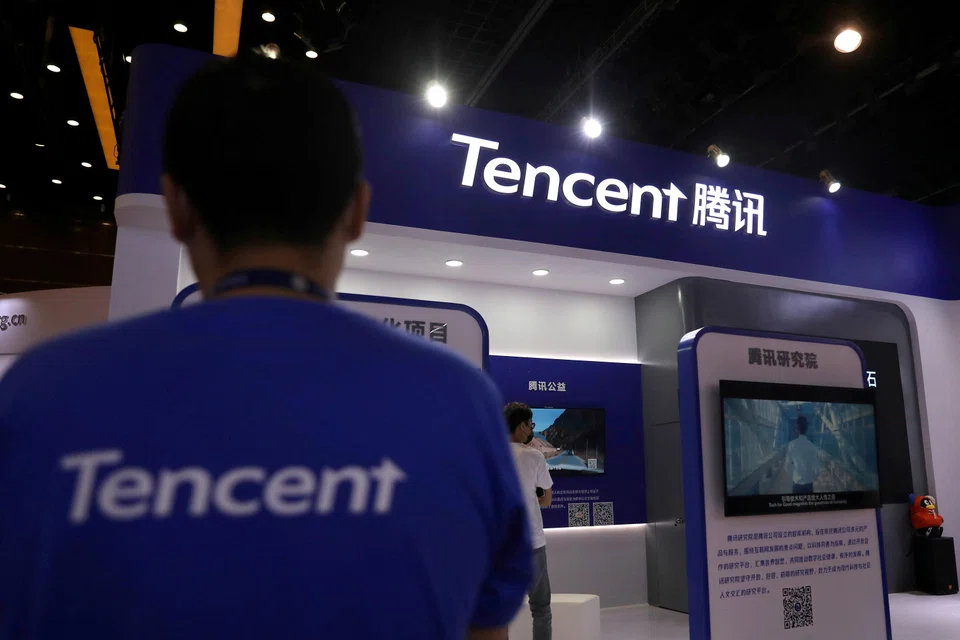
TENCENT Holdings is abandoning plans to venture into virtual reality hardware, as a sobering economic outlook prompts the Chinese tech giant to cut costs and headcount at its metaverse unit, three sources said.
The world’s largest video game publisher had ambitious plans to build both virtual reality software and hardware at an “extended reality” (XR) unit it launched in June last year, for which it hired nearly 300 people.
It had come up with a concept for a ring-like hand-held game controller, but factors including difficulties in achieving quick profitability, as well as the large investment needed to produce a competitive product, prompted a shift away from that strategy, two of the sources said.
One of the sources said that the XR project was not expected to become profitable until 2027, as indicated by an internal forecast.
“Under the company’s new strategy as a whole, it no longer quite fit in,” the source said.
Earlier in the year, Tencent had also planned to buy gaming phone maker Black Shark to beef up its hardware push, and add 1,000 people to the unit.
However, it eventually walked away from that deal due to Tencent’s shift in strategy, as well as mounting regulatory scrutiny and an expected lengthy review process, one source with direct knowledge of the matter said.
The sources said that Tencent had advised most of the unit’s staff to seek other opportunities, confirming a Thursday (Feb 16) report from Chinese tech news outlet 36Kr.
Tencent declined to comment on the Black Shark deal, and whether Beijing’s scrutiny had soured the deal. Regarding the status of XR unit, the company referred to a statement on Thursday that said it was making adjustments to some business teams as development plans for hardware had changed.
The company also said on Thursday that it was not disbanding the XR unit.
The formation of the XR unit came amid swelling global interest in the metaverse concept of virtual worlds, and had marked a rare foray into hardware for Tencent, which is mostly known for software that includes a suite of games and social media applications.
It also entered into a race against Western peers such as Meta Platforms and Microsoft, which are building their own metaverses and have their own virtual reality hardware projects.
Last year marked one of the toughest years for Tencent since its founding in 1998, with revenue battered by a regulatory crackdown and headwinds from measures to stop the spread of Covid-19.
Underlining such strains, its founder Pony Ma in December displayed a rare show of frustration at a year-end meeting, when he lambasted senior managers for not working hard enough, and said that the company needed to focus on the short-video format for future growth. REUTERS
Decoding Asia newsletter: your guide to navigating Asia in a new global order. Sign up here to get Decoding Asia newsletter. Delivered to your inbox. Free.
Share with us your feedback on BT's products and services