Tesla plans US$3.6b Nevada expansion to make Semi truck, battery cells
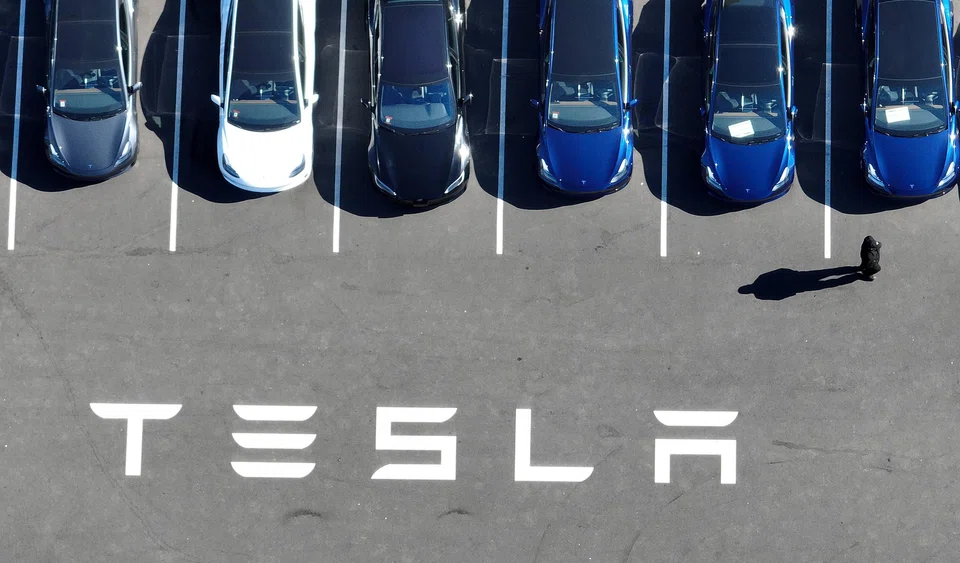
TESLA said on Tuesday (Jan 24) it would invest more than US$3.6 billion to expand its Nevada Gigafactory complex with two new factories, one to mass produce its long-delayed Semi electric truck and the other to make its new 4680 battery cell.
The cell plant would be able to make enough batteries for 2 million light-duty vehicles annually, including batteries using the 4680-type cell. The 4680 is key to Tesla meeting a goal of halving battery costs and ramping up battery production nearly 100-fold by 2030.
Together, the facilities will employ about 3,000 people, extending the electric vehicle (EV) maker’s complex east of Reno, where it runs a battery joint venture with Japan’s Panasonic and makes vehicle parts and power backup systems.
Panasonic currently supplies cells to the gigafactory, and Tesla assembles them into battery packs there.
Tesla has struggled to ramp up production of the 4680 at its factories in Fremont, California, and Austin, Texas.
Experts say the dry-coating technique used to produce the bigger cells in these batteries is new and unproven and the company has been having trouble scaling up manufacturing to the point where the big cost savings kick in.
The move suggests Tesla is finally committing to large-scale production of the Semi, which was initially supposed to begin rolling out of factory doors in 2019. Tesla made the first Semi deliveries in December to PepsiCo but there is no sign of a high rate of output of the model.
Other customers that have ordered Semis include Brewer Anheuser-Busch, United Parcel Service and Walmart.
The Semi is a truck for 18-wheel semi-trailer vehicles and has a range of 800 kilometres on a single charge with a gross weight of 37 tonnes, including trailer and cargo. It may qualify for tax credits of US$40,000 offered for clean commercial vehicles under the Inflation Reduction Act.
Tesla chair Robyn Denholm said in November that Tesla might produce 100 Semis in 2022, but the company disclosed no figure for the model in its fourth-quarter production report.
The EV maker aimed to produce 50,000 Semis in 2024, Musk said on a post-earnings call in October.
Tesla’s Tuesday announcement “is the latest in more than US$300 billion in private sector investment in clean energy and semiconductor manufacturing announced since the President took office”, Mitch Landrieu, senior advisor to US President Joe Biden said. REUTERS
Decoding Asia newsletter: your guide to navigating Asia in a new global order. Sign up here to get Decoding Asia newsletter. Delivered to your inbox. Free.
Share with us your feedback on BT's products and services