Ferrari CEO on mission to boost profits – without selling too many cars
The new plant to make the brand’s electric cars won’t be out to boost production numbers; the carmaker wants to mitigate risk in an uncertain era
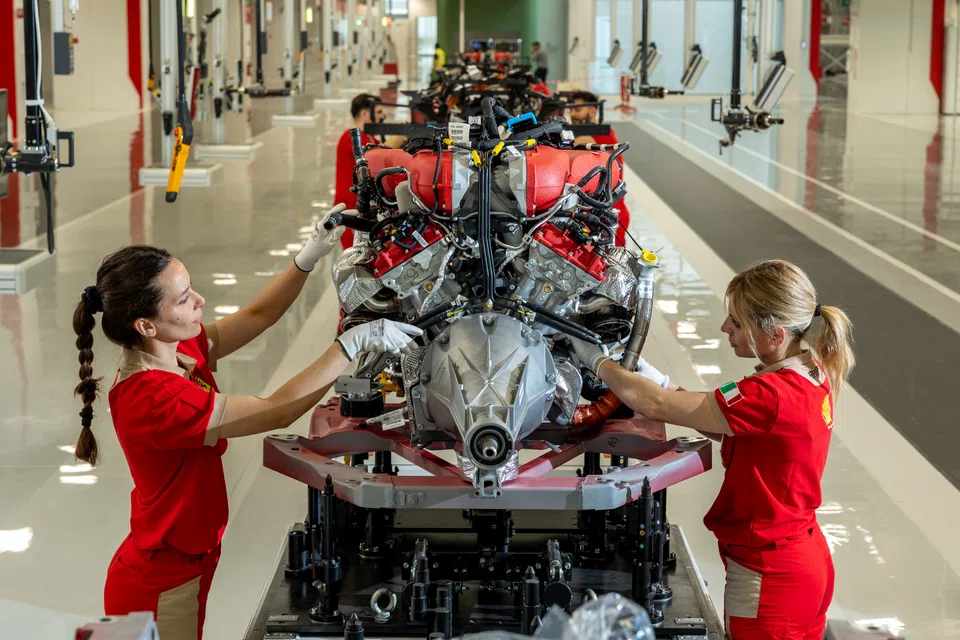
[MARANELLO, Italy] Ferrari on Friday (Jun 21) opened a new factory in Italy, where it will build its upcoming electric car alongside its petrol and hybrid models.
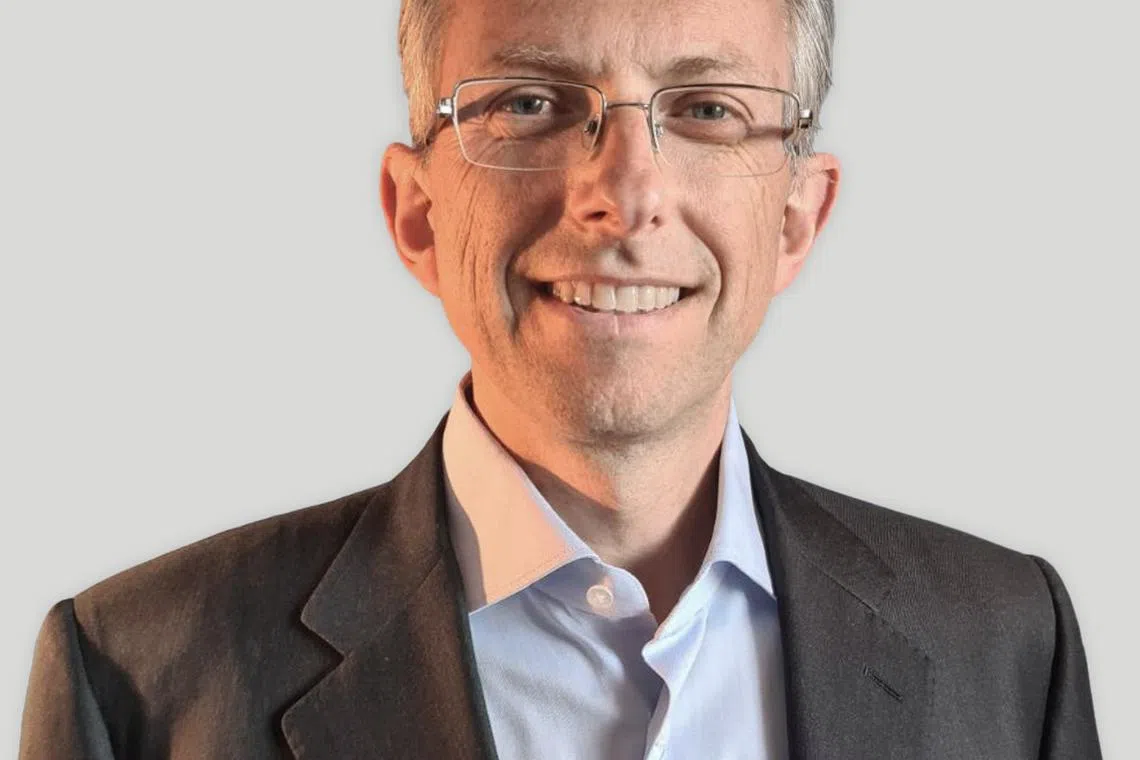
But this doesn’t mean more cars with the famous prancing horse logo will be cruising the streets. Interestingly, chief executive officer Benedetto Vigna said the luxury sports car brand is not using the new plant to boost production volume and thus ease the two-year waiting list for its cars.
Instead, the 200 million-euro (S$289.8 million) addition to Ferrari’s Maranello campus will be tasked with speeding up product development and raising the brand’s ability to customise cars.
“This wider manufacturing and technology portfolio will enable us to accommodate more needs in terms of personalisation, and will give more freedom to our designers and engineers to design, to think, and to perceive something that is better,” Vigna told reporters. “It’s not capacity-driven, it’s capability-driven.”
The 55-year-old is on a mission to boost Ferrari’s profits without selling too many cars and diluting the brand’s exclusivity – which means convincing customers to splurge on optional extras such as special-paintwork cabin materials.
The company already enjoys margins that are the envy of the industry. Porsche must sell five cars to make as much profit as the sale of one Ferrari brings; Mercedes-Benz has to sell as many as 17.
“Our ethos will remain the same: quality of revenues over quantity,” Vigna said.
At 42,500 sq m, the new plant in Maranello is roughly twice the size of the existing assembly building. Unlike the current factory, it can churn out the electric car that Ferrari is working on and enable the building of components such as motors, battery packs and e-axles in-house.
The company has been secretive about its electric-car project so far, but plans to unveil it at the end of 2025, and start production in early 2026. Vigna said Ferrari would decide on the price for this car only a month before its launch.
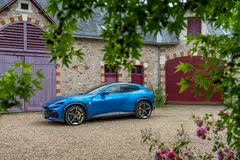
He openly admitted to being uncertain about how sales will be divided between the brand’s pure-petrol, hybrid and electric models, and said “the ultimate choice must stay in the hands of our clients”.
The new plant’s ability to build all three types of car side by side is meant to address this uncertainty. “In this market now, we have to have a different, increased level of flexibility,” he said.
Publicly-listed Ferrari shipped a record 13,663 cars in 2023, and has seen its share price double since Vigna took the top job three years ago.
But he said the company has to run faster as the industry moves into the unfamiliar terrain of the electric-vehicle landscape.
“You have to keep well in mind that if you sleep because you believe you are faster, then you can be the hare in Aesop’s fable,” he said. “You know what’s the biggest risk for Ferrari? That, since we are successful, we believe that we’ll always be successful.”
Ferrari’s racing team helps management stay on its toes, he said.
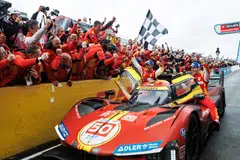
“Having a sports team in the company is helping a lot. When it’s embedded in the company, a team that can win Le Mans and then maybe the week or two after is not winning something else, there’s gonna be a memo that is telling you pay attention because, all the time, you have to be fast, you cannot relax, you cannot be lazy,” he said.
He had a similar message for incumbent carmakers that now have to fend off competition from electric car startups from China.
“I think Europe must wake up. If someone is running faster than us, we will have to run faster than them. That’s a simple law that (the late Ferrari founder) Enzo Ferrari knew very well,” said Vigna.
Decoding Asia newsletter: your guide to navigating Asia in a new global order. Sign up here to get Decoding Asia newsletter. Delivered to your inbox. Free.
Share with us your feedback on BT's products and services