

IndiGo chaos unmasks fragility of India’s aviation market
The crisis that has engulfed the airline, and led to more than 580,000 passengers being stranded
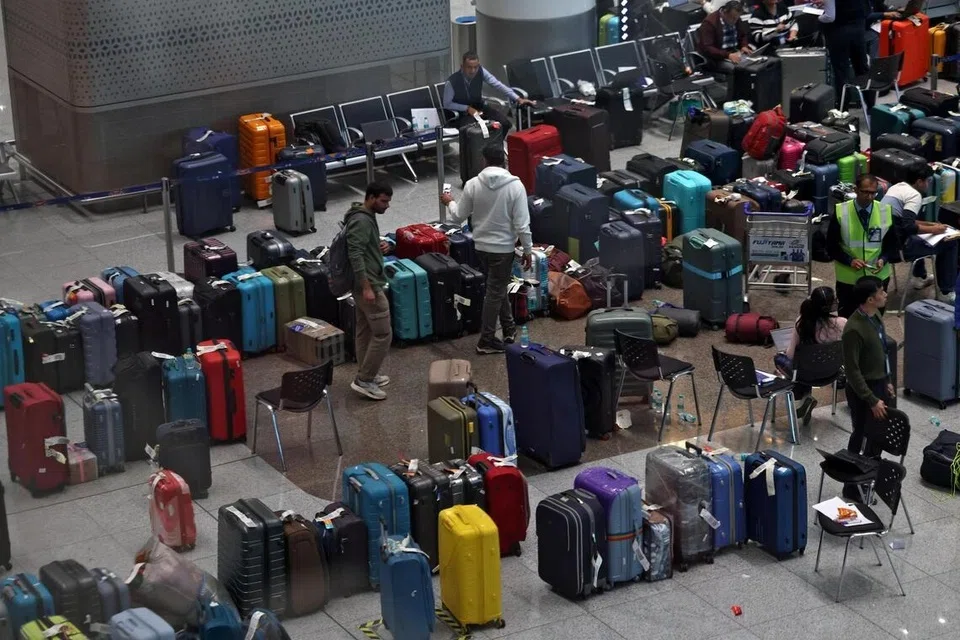
[NEW DELHI] In a matter of days, the reputation of India’s biggest airline was in tatters.
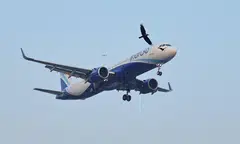
IndiGo’s decision to abruptly cancel thousands of flights in early December triggered chaos in the world’s third-largest aviation market, and laid bare weaknesses that threaten the sector’s growth and showed the vulnerability of passengers.
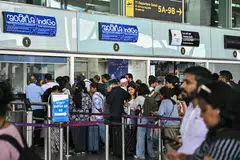
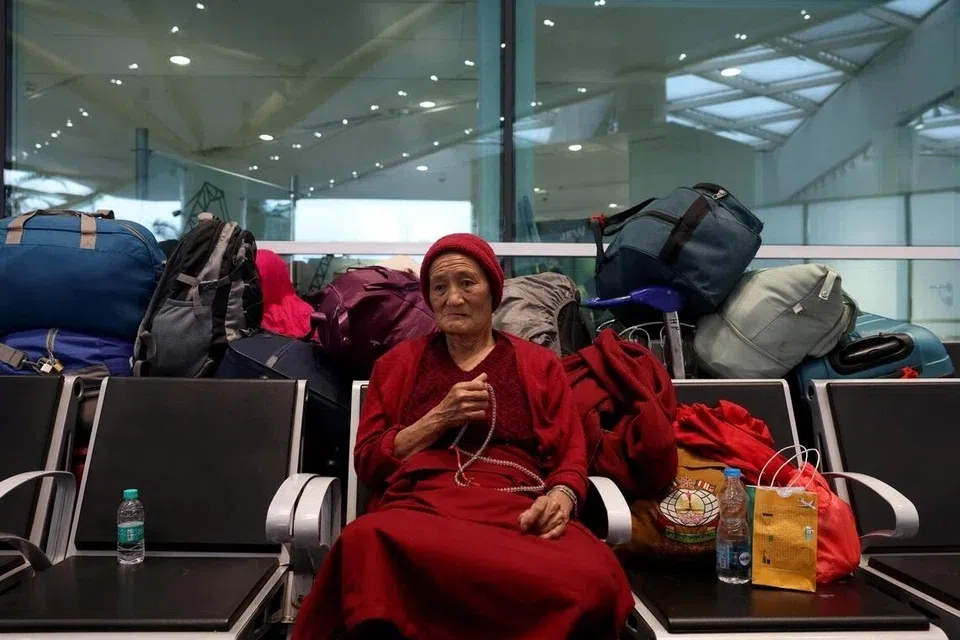
The crisis that has engulfed the airline, and led to more than 580,000 passengers being stranded, was caused by its failing to adapt to new crew rostering rules, which require longer rest periods for pilots.
When those rules kicked in, the airline found itself short of staff and had to cancel flights.
The disruption also underlined the dangers of having one dominant carrier in the market and the weakness of the country’s regulatory oversight.
IndiGo has a 65 per cent market share and Air India 27 per cent in what is effectively a duopoly, with others such as SpiceJet having a much smaller presence.
India’s Civil Aviation Minister K Ram Mohan Naidu has even suggested that the country should have at least five carriers with a fleet of around 100 aircraft each.
Analysts agree that the sector needs more competition to prevent a repeat of the chaos that unfolded in early December.
“The (aviation) sector will have to restructure,” said Sanjay Lazar, chief executive of Avialaz Consultants. “There has to be more competition.”
SEE ALSO
He said airlines should be more closely scrutinised and operate under tighter rules; “otherwise, we have failed our passengers and the aviation market”.
“This (chaos) is not just about one airline,” he noted. “It’s not one room in the house that caught fire; the entire house caught fire. The whole aviation industry was impacted.”
What really happened?
The new crew rosters, with updated flight duty time limitations to reduce pilot fatigue, were announced by the government in January 2024 and implemented in two phases.
Beginning in November 2025, pilots were to get a mandatory 48-hour rest period each week, instead of 36 hours, and have a maximum of two night landings and consecutive night duties.
But IndiGo appeared not to have prepared adequately, giving rise to speculation that the airline was trying to put pressure on the government to postpone the rules. As a result, it ended up with fewer pilots than it needed for its flights.
Its lack of preparation is now under investigation by the government. In contrast, other airlines managed the transition to the new rules without major problems.
Vikram Singh Mehta, chairman of the airline’s board, denied allegations that have swirled that the crisis was a deliberate ploy by IndiGo.
“The disruptions of last week did not happen because of any deliberate action,” he said in a video statement released on Dec 10. “They happened because of a combination of internal and unanticipated external events, including minor technical glitches, scheduled changes and implementation of the updated crew rostering rules.”
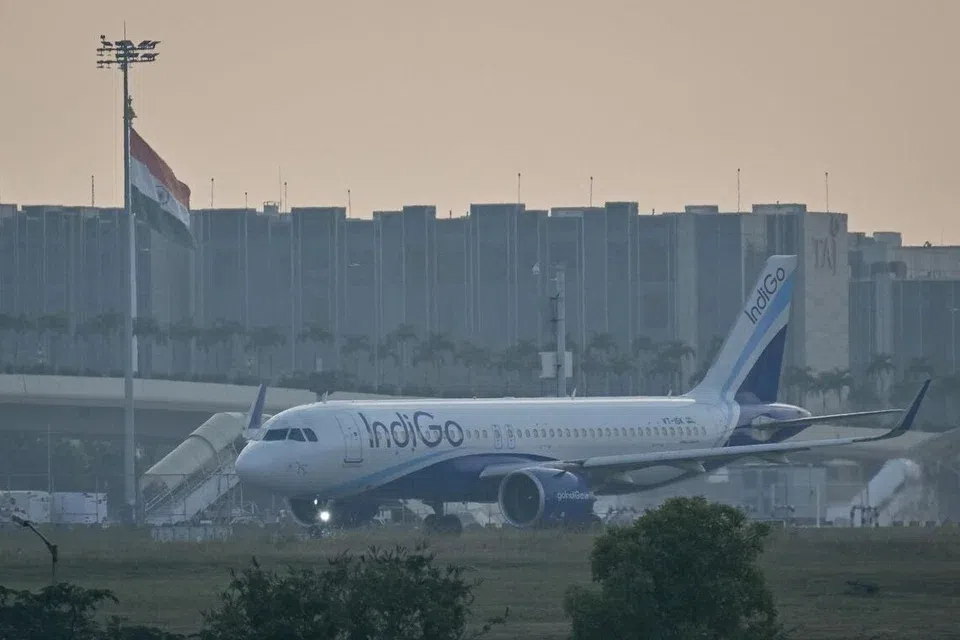
IndiGo, which operates many of its flights between 12 am and 6 am, did not respond to an email from The Straits Times.
The crisis began in November when the new time limits came into effect.
IndiGo cancelled 951 flights that month, according to the Directorate General of Civil Aviation (DGCA).
But things came to a head on Dec 2, when passengers arrived at airports across the country to a larger volume of cancelled flights.
IndiGo chief executive Pieter Elbers has apologised profusely to angry passengers and urged disheartened staff to stay strong. He continues to face tough questioning by government officials.
“There is still a journey ahead of us,” Elbers wrote in an e-mail – seen by ST – to IndiGo staff on Dec 8, even as the airline publicly said operations had returned to normal.
“The teams have been working day and night at network restoration and on a war footing to address all our customers’ needs,” he added in the e-mail.
Compounding the fiasco, IndiGo has also come under withering criticism for poor customer support and lack of communication. Calls have come for stronger consumer rights after passengers were left stranded across airports with little access to information.
Jitender Bhargava, a former executive director of Air India, said the crisis was entirely of IndiGo’s own making.
“They were aware of the problems, and the new crew roster rules warrant an increase in the strength of pilots. The question is, why did they not recruit?”
He added: “It’s an ugly chapter in Indian civil aviation; we have never had a crisis like this.”
The problem
India’s aviation sector has boomed as disposable incomes rose. Prime Minister Narendra Modi has said he wants even the poorest Indian to travel, and the government has doubled the number of airports in the country to 160 over the past decade.
But the industry has suffered boom and bust cycles of airlines starting up and then failing. Full-service carriers Kingfisher Airlines and Jet Airways collapsed in 2012 and 2019, respectively, while budget airline Go First wound up in 2023. SpiceJet, too, has had to come back from the brink of financial disaster.
As each competitor fell, IndiGo absorbed their market share, passengers and routes.
According to an Indian Express report, IndiGo’s monopoly is so strong that it has no competition on around 63 per cent of routes, and just one competitor for 21 per cent of them.
Air India has had its own struggles after Tata Sons bought it from the government in 2022 and merged Vistara, Air India Express and AirAsia India into one airline. The airline, in modernising, had suffered persistent financial losses even before the takeover, and continues to face passenger complaints on a range of issues.
The Air India crash on June 12, in which 260 people died, also set back its restructuring plans. Flight 171, en route from the city of Ahmedabad to London, crashed into a building just 32 seconds after take-off. A preliminary report indicated fuel supply to the engines had been cut off.
The huge gap between IndiGo and the others meant that none of the other airlines, including Akasa Air and SpiceJet, had the capacity to provide alternatives for stranded passengers.
As an immediate measure, the government has ordered IndiGo to reduce its flight operations by 10 per cent.
SpiceJet, according to Indian media reports, has announced plans to launch up to 100 additional daily flights in the winter schedule.
Air India has put out an advertisement inviting applications from experienced pilots for its Airbus A320 and Boeing 737 family of aircraft in a post on Instagram.
Regulatory oversight
The IndiGo meltdown has also raised questions about regulatory oversight and the government’s handling of the crisis.
As an emergency measure, the government has temporarily put off the new crew roster rules.
Critics said the government and the DGCA, the regulator, should instead have tracked what was going on at IndiGo, and that postponing the rules, which are geared towards employee rights and safety, sent the wrong signal.
“The recent IndiGo fiasco has raised serious concerns about the DGCA regulatory oversight,” said Rishi Sahai, managing director at Cogence Advisors, an investment bank. “The airline’s failure to comply with flight duty time limitation rules led to a severe pilot shortage, resulting in widespread flight cancellations and passenger disruptions.
“The DGCA must impose stringent penalties, including significant fines and operational restrictions, to deter airlines from neglecting safety regulations and passenger welfare.”
The Indian Express newspaper said in an editorial: “The blame for the disruption lies at the doors of the airline company and the regulator.”
Naidu has maintained that the DGCA and the ministry had been vigilant. “IndiGo is being held accountable,” he told Parliament. “No airline, however large, will be permitted to cause such hardship to passengers through planning failures and non-compliance.”
What comes next
How IndiGo, its competitors and the government respond will determine the future trajectory and strength of India’s aviation sector, with demand expected to keep growing strongly.
Critical issues such as pilot and other manpower shortages also need to be resolved, with many new planes on order.
Air India, which has just over 300 aircraft, placed orders for 570 new planes from Airbus and Boeing in 2023 and 2024, while IndiGo, which has over 400 aircraft, ordered 500 Airbus A320 planes in 2023.
According to the Civil Aviation Ministry, domestic air passenger traffic is expected to double in the next six years, reaching 300 million passengers by the end of 2030.
“In all this, there is an opportunity to clean up civil aviation, which in India has long been badly structured,” said Avialaz Consultants’ Lazar.
“We will see a lot of clarity being made in terms of adherence to rules. We need a strong passenger charter, and you need to have strong rules. Hope the government does it; otherwise the courts will do it.” THE STRAITS TIMES
Decoding Asia newsletter: your guide to navigating Asia in a new global order. Sign up here to get Decoding Asia newsletter. Delivered to your inbox. Free.
Share with us your feedback on BT's products and services






