
Marine insurance and the five powers clause in times of war
The International Union of Marine Insurance has clarified that war risk insurance for vessels and cargo is, and will remain, available in the Middle East

[SINGAPORE] There was confusion at the beginning of the US-Israel attacks on Iran about insurers dropping war coverage for vessels, leaving them with no protection while transiting the conflict zone.
However, the fact was that insurers revoked war cover to reassess the risks and thereafter offered protection at a higher premium to reflect the higher risk of voyages made within the affected area.
The International Union of Marine Insurance had to issue a statement on Mar 5 to clarify that war risk insurance for vessels and cargo is, and will remain, available in the Middle East as at April 2026, despite the US-Iran conflict.
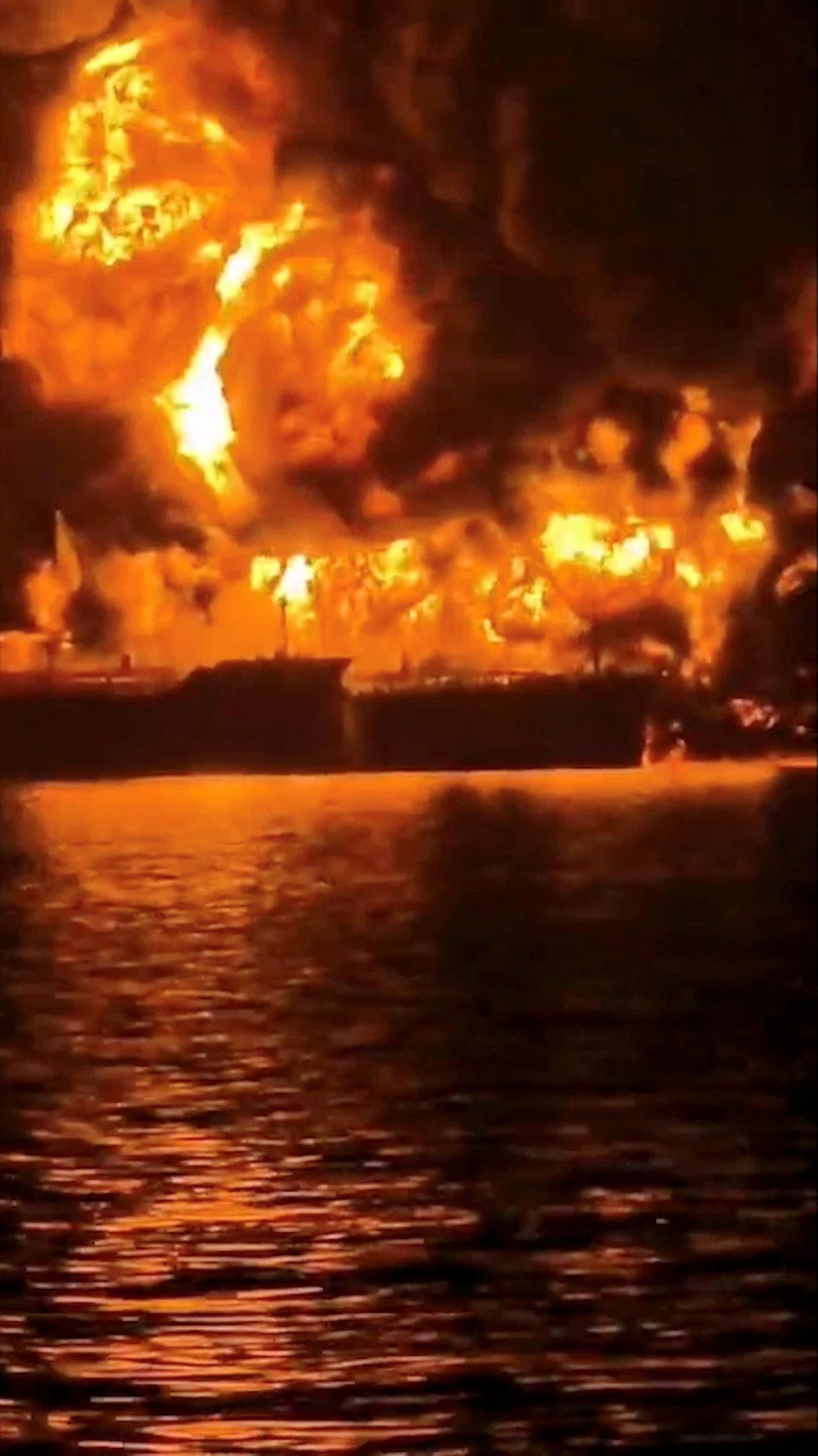
Normally, protection by commercial insurers is to cover hull and machinery, that is, physical damage to the ship, while protection and indemnity by mutual clubs covers operating liabilities such as an oil spill.
The standard policy excludes war-related incidents.
Alex Gray, executive director for marine, credit and political risk at broker Price Forbes, explained at the recent Marine Insurance Asia conference what war risk insurance is, as well as what the five powers war clause is.
“When you buy your additional war risk premium to enter into a high-risk area, that is covering your war risks during peacetime. So it’s there for residual mines, random attacks, politically motivated terror attacks, or at the very beginning, the outbreak of war.
“Typically, the default position is that any war policy can be terminated by the assured or the underwriters at seven days’ notice.”
War cover, which offers protection for both physical damage to the ship and third-party liabilities caused by acts of war, could be a standalone policy or a section within a wider policy.
He cautioned policy owners that the war clauses needed to be extended to include things such as blocking and trapping. This is to remove the ambiguity of what happens when a vessel is detained for a certain period of time and the definition of a constructive total loss, that is, the cost of repairing a vessel exceeds its value.
The five powers war clause
The clause excludes any loss, damage, liability or expense arising from war involving any of these countries: the UK, the US, France, Russia and China.
Invocation of this clause would typically reduce the seven-day notice period of revoking the coverage to 72 hours, Gray said.
Where there is either the use of a nuclear weapon by any state, or two of the five powers are at war with each other, the notice period is then immediate, that is, coverage is instantaneously revoked.
It protects insurers from catastrophic liability exceeding their financial resources in the event of a major conflict between the world’s leading military powers.
He said: “At that point, what should in theory happen if the system works, is that the underwriters can terminate the cover and reinstate it on a wartime rate, so this now reflects the fact that you are in a war zone.
“And typically, the system is designed to apply to those who choose to trade in those high-risk areas, so they are choosing to perform that for the commercial risk or otherwise.”
TRENDING NOW
He built the Vingroup empire. Now South-east Asia’s richest man is handing some key roles to his sons
Grab CEO’s wife Chloe Tong on life with Anthony Tan and finding her purpose
What role can Japan play in Asean’s future?
From folding clothes to factory work: Why China is sending humanoid robots to school



