Pacific International Lines posts US$3 billion earnings for 2022

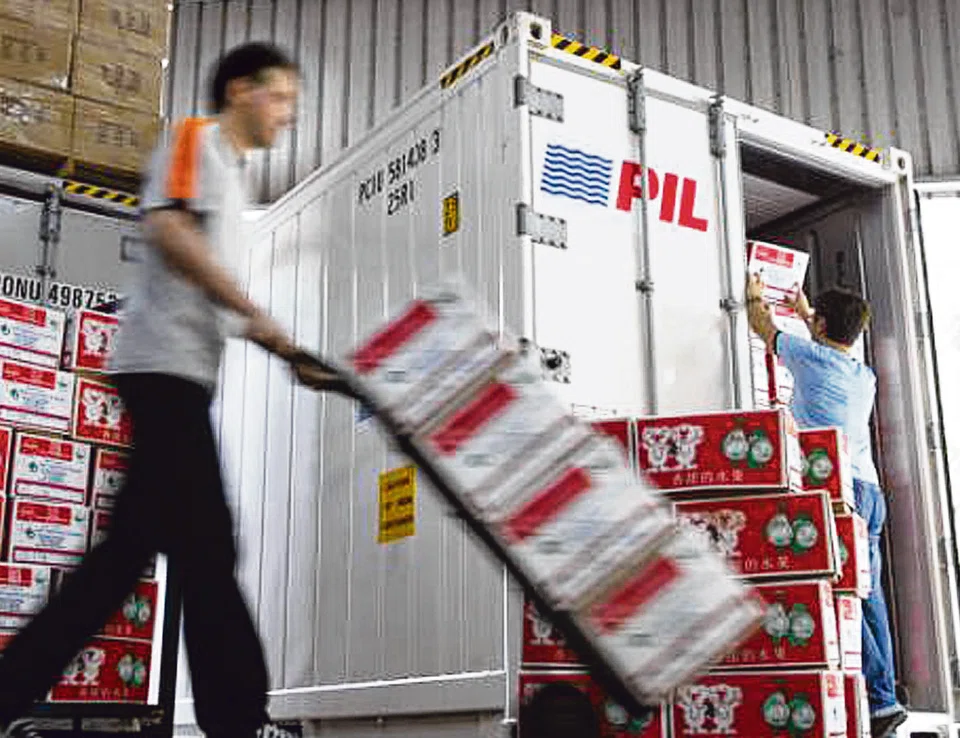
PACIFIC International Lines (PIL) posted US$3 billion in earnings for 2022 – the second year the shipping line has turned in a profit after staving off bankruptcy.
Financial statements that it filed with the Accounting and Corporate Regulatory Authority in May showed the Singapore group, which celebrated its 55th anniversary in 2022, generated a top line of US$6.1 billion.
The once-heavily-indebted shipping line made a spectacular turnaround in 2021 when it raked in US$2.6 billion in earnings – its first profit in years – on a turnover of US$5.8 billion. The containership sector as a whole has benefited from ocean freight rates that skyrocketed amid pandemic-induced maritime disruptions and e-commerce boom.
But freight costs started to normalise in the second half of 2022 as economies slowed down, borders reopened and disruptions eased. As a result, liners’ sky-high profits appear to have peaked.
Still, PIL’s statements showed a healthy balance sheet with about US$4.2 billion in equity and US$3.3 billion in retained earnings as at end-2022, compared to over US$1.8 billion in equity and US$958.5 million in retained earnings the year before.
The world’s 12th largest container shipping line, with a fleet of around 100 container and multipurpose vessels, generated about US$3.5 billion in net cash flow from operations, up from about US$2.8 billion in 2021.
There was a net cash outflow of US$362.1 million in investing activities, whereas it was a net inflow of US$146.2 million in the previous year.
The group had US$2.7 billion in net cash outflow in financing activities in 2022 – a 63.4 per cent increase year-on-year from US$1.7 billion.
Still, the container shipping line, which is also engaged in container manufacturing, depot and logistics services, was in a cash-surplus position of US$364 million in 2022. This was, however, a fraction of the US$1.2 billion cash surplus it recorded in 2021.
PIL had begun that year teetering on the brink of insolvency, but a financial lifeline from state investor Temasek’s wholly owned subsidiary Heliconia Capital Management helped it to stay afloat.
Riding on the market upturn as well as various initiatives it implemented, the firm pulled off a dramatic turnaround in fortunes.
PIL not only became profitable but also managed to fully repay a US$1 billion debt in the short span of a year. Non-core assets, including the PIL Building located on Cecil Street, were divested during its restructuring.
Now, the group’s headquarters is in Beach Road.