

Shipping traffic via Strait of Hormuz slips below 10-day average, data shows
Iran and Oman still working on details of an agreement on the waterway
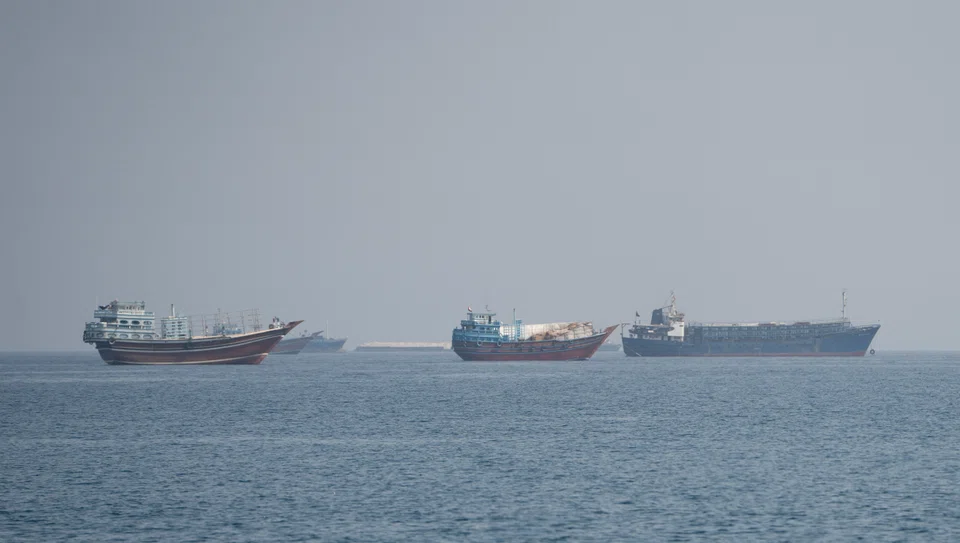
[SINGAPORE] Seven commodity vessels transited the Strait of Hormuz on Thursday (Aug 27), down from 17 a day earlier and below the 10-day average of 15, preliminary shipping data showed on Friday.
Among the seven vessels that transited were two medium-range tankers, one very large gas carrier (VLGC), one Ultramax vessel, one intermediate tanker and two chemical tankers, initial data from shiptracker Kpler showed at 0315 GMT.
Four of the vessels were exiting the strait, including the two chemical tankers, the medium range and intermediate tanker. The VLGC, Ultramax and the other medium range tanker were entering the strait.
The figures could change as some ships typically switch off transponders during the voyage.
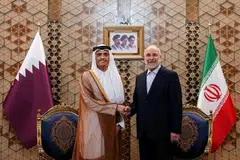
Iran war mediators have placed renewed emphasis on reopening the Strait of Hormuz, with Teheran agreeing to draw up a list of conditions to restore normal traffic after a Qatari emissary pressed the Iranians to respect freedom of navigation.
Earlier on Wednesday, a senior Iranian source said Iran and Oman were still working on details of an agreement on the waterway after Iran’s Revolutionary Guards said the two countries had agreed on how to share control of the strait and its revenues.
Meanwhile, 17 commodity vessels transited through the Bab el-Mandeb, another major maritime chokepoint in the Middle East, with six vessels entering and 11 exiting. REUTERS
Decoding Asia newsletter: your guide to navigating Asia in a new global order. Sign up here to get Decoding Asia newsletter. Delivered to your inbox. Free.
Share with us your feedback on BT's products and services
TRENDING NOW

LTA proposes combining car COE categories, adding rebate-surcharge system

StarHub to acquire MyRepublic’s mobile business amid ongoing telco consolidation

DBS, OCBC, UOB rout lops billions off STI as inflation, rate concerns spook investors

Grab CEO’s wife Chloe Tong on life with Anthony Tan and finding her purpose

