
Tumbling US dollar a boon to risk assets across the globe
 Add BT as a preferred source
COOLING US inflation is accelerating a decline in the greenback, and risk assets around the world stand to benefit.
The US dollar is down nearly 13 per cent against a basket of currencies from last year’s two-decade high, and stands at its lowest level in 15 months. Its decline quickened after the US reported softer-than-expected inflation data on Wednesday (Jul 12), supporting views that the Federal Reserve is nearing the end of its interest rate-hiking cycle.
Because the US dollar is a lynchpin of the global financial system, a wide range of assets stand to benefit if it continues falling.
Weakness in the greenback can be a boon to some US companies, as a weaker currency makes exports more competitive abroad and makes it cheaper for multinationals to convert foreign profits back into US dollars.
The US technology sector, which includes some of the big growth companies that have led markets higher this year, generates just over 50 per cent of its revenues overseas, an analysis of Russell 1,000 companies by Bespoke Investment Group showed.
Raw materials, which are priced in US dollars, become more affordable to foreign buyers when the greenback declines. The S&P/Goldman Sachs Commodity Index is up 4.6 per cent this month, on pace for its best month since October.
Navigate Asia in
a new global order
Get the insights delivered to your inbox.
Emerging markets benefit as well, because a falling US currency makes debt denominated in US dollars easier to service. The MSCI International Emerging Market Currency Index is up 2.4 per cent this year.
“For markets, the weaker dollar and its underlying driver, weaker inflation, is a balm for everything, especially for assets outside the US,” said Alvise Marino, foreign exchange strategist at Credit Suisse. The greenback’s tumble has come as US Treasury yields eased in recent days, dulling the US dollar’s allure while boosting a wide range of other currencies, from the Japanese yen to the Mexican peso.
“That sound you hear is the breaking of technical levels across the foreign exchange markets,” said Karl Schamotta, chief market strategist at Corpay. “The dollar is plunging toward levels that prevailed before the Fed started hiking, and we’re seeing risk-sensitive currencies melt up on a global basis.”
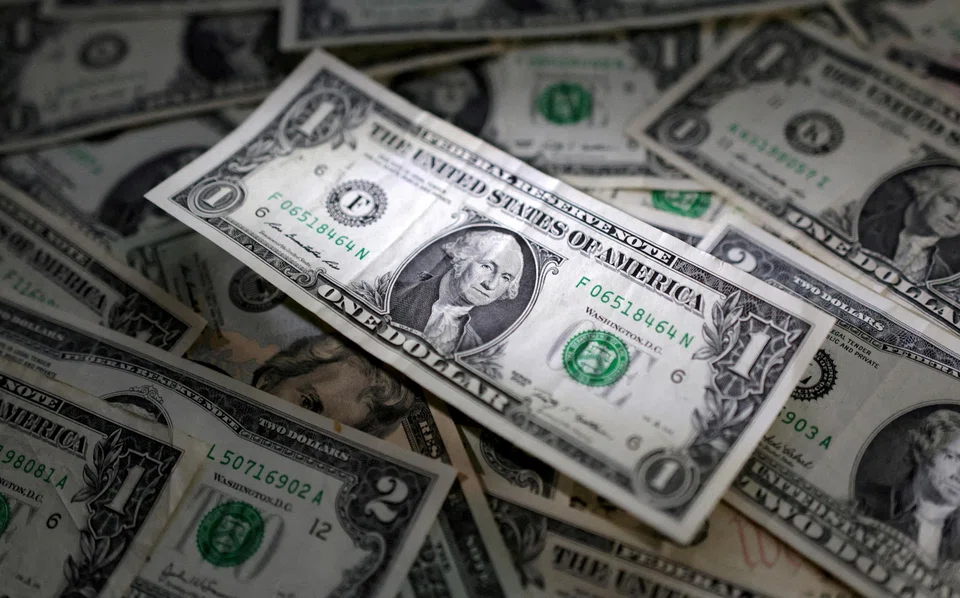
A continued fall in the US dollar could boost profits for foreign exchange strategies such as the US dollar-funded carry trade, which involves the sale of US dollars to buy a higher-yielding currency, allowing the investor to pocket the difference.
The greenback’s decline has already made the strategy a profitable one this year. An investor selling US dollars and buying the Colombian peso would have collected 25 per cent year-to-date, while the Polish zloty has yielded 13 per cent, data from Corpay showed.
Paresh Upadhyaya, director of fixed income and currency strategy at Amundi US, is bearish on the US dollar while betting on gains in the Kazakhstan tenge, Uruguayan peso and Indian rupee.
“When you look at what’s going on right now, the outlook for the dollar remains pretty bleak,” said Upadhyaya, who expects carry trades to thrive if the US dollar keeps falling.
In the world of monetary policy, the US dollar’s decline may be a relief to some countries, as it removes the urgency for them to support their falling currencies.
Among them is Japan. The greenback has tumbled 3 per cent against the yen this week and is set for its biggest weekly fall against the Japanese currency since January. Yen weakness has been problematic for Japan’s import-reliant economy and raised expectations Japan would again intervene in markets to support its currency after doing so for the first time since 1998 last year.
Traders have also been watchful for potential action from Sweden’s central bank, given weakness in the Swedish krona. But this week, the US dollar is down almost 6 per cent against the krona and set for its biggest weekly drop since November.
Continued strength in the yen could see investors unwind the large bearish positions that have built up against the currency in recent months, pushing it higher, said Societe Generale currency strategist Kenneth Broux.
Of course, being bearish on the US dollar has its own risks. One is a potential rebound in US inflation, which could stoke bets on more Fed hawkishness and unwind many of the anti-US dollar trades that have prospered this year.
Though inflation has cooled, the US economy has remained resilient compared with other countries and few believe the Fed will cut rates anytime soon. This could potentially limit the US dollar’s near-term downside.
Still, Helen Given, FX trader at Monex USA, believes the Fed will wrap up its rate-hiking cycle before most other central banks, thus sapping the US dollar’s long-term momentum.
While the US dollar may pare some of its recent losses, “looking six months out it’s likely the dollar will be even weaker than it is today”, she said. REUTERS
Decoding Asia newsletter: your guide to navigating Asia in a new global order. Sign up here to get Decoding Asia newsletter. Delivered to your inbox. Free.
Share with us your feedback on BT's products and services

