

‘Very grim’: Singapore, regional petrochem sector could see more force majeure notices; EDB in contact with players
Government agencies are working to support companies amid the ‘evolving situation’

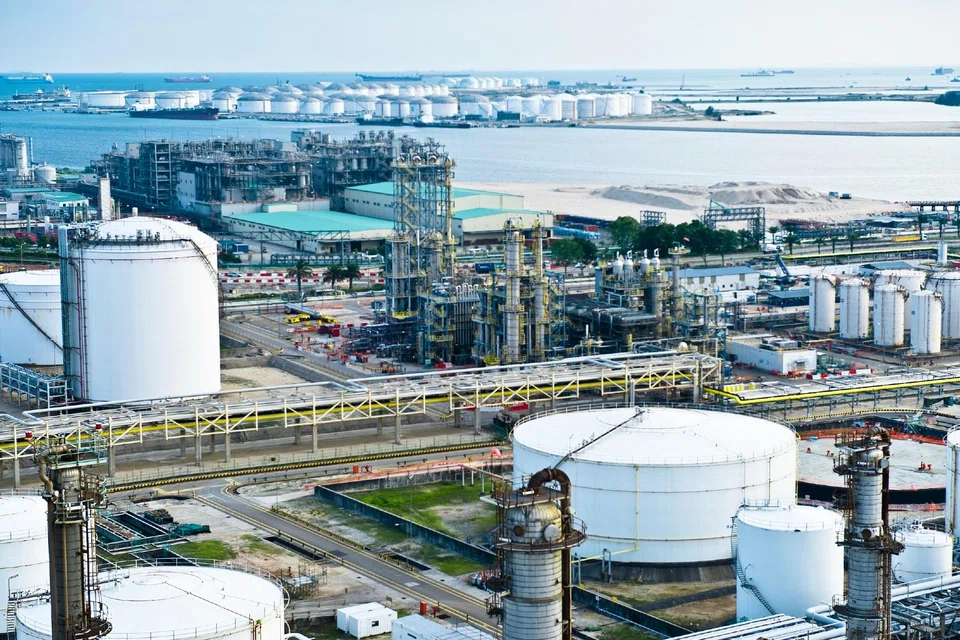
[SINGAPORE] The escalating conflict in the Middle East has cast a pall on Singapore’s petrochemical sector, with at least three players declaring force majeure in the past week and some analysts expecting that more could follow.
“It is looking very grim for Singapore’s petrochemical sector and the broader economy as the oil supply chain is fractured,” said June Goh, senior oil market analyst at Sparta Commodities.
Oil prices on Monday (Mar 9) surpassed US$100 a barrel – to a four-year high – with the shipping halt in the Strait of Hormuz and continued attacks on the Middle East’s energy infrastructure.
Amid the turmoil, Singapore petrochemical player PCS on Mar 5 issued a notice of force majeure to its customers. The Jurong Island-based company produces chemicals such as ethylene and propylene, which are used to make products such as plastics and fibres.
A force majeure notice excuses parties from obligations and liabilities under circumstances such as war and disasters.
With the absence of supplies from PCS, polyolefins producer TPC declared force majeure on Monday after shutting multiple plants on Jurong Island, trade publication Argus reported.
Oil refiner Aster, which took over Shell’s assets on Pulau Bukom and Jurong Island, has also declared force majeure. The company said that it has a reduced operating run rate across its plants “to responsibly manage available feedstock”.
Goh noted that the moves by Aster and PCS affect downstream chemical production on Jurong Island.
Companies that primarily depend on Aster and PCS for their feedstock “will be most vulnerable”, said a spokesperson for S&P Global Energy.
The effects of supply disruption are getting more pronounced. Intraco Trading, a plastic resin products trader, received a force majeure notice from a major supplier on Monday and is sourcing an alternative supply, its parent company disclosed in a bourse filing. It did not name the supplier.
The Singapore Economic Development Board (EDB) is in contact with energy and chemicals players and “closely monitoring developments arising from the conflict”, said a spokesperson in response to queries from The Business Times.
“We are working with government agencies to support companies as they navigate the evolving situation,” the spokesperson added.
Singapore’s energy and chemicals sector contributes about 2 to 3 per cent of GDP. Players range from oil majors Shell and ExxonMobil to specialty chemical companies such as Arkema, Cariflex and Kuraray.
Naphtha crunch
Singapore’s petrochemical sector, along with the rest of Asia, is facing a crunch in naphtha due to the Middle East conflict.
Derived from crude oil, naphtha is a key raw material fed into facilities known as steam crackers to produce ethylene, propylene and other key chemicals.
Sparta’s Goh noted that there is insufficient naphtha produced from the domestic refining system and almost no flows of the hydrocarbon from the Middle East.
With the naphtha disruption, “many industries that depend on these steam crackers’ derivatives for their feedstock will likely declare force majeure because they do not have any alternatives”, she added.
S&P Global Energy, meanwhile, said that it is unable to comment on whether there could be more players declaring force majeure in the coming days.
“(Whether) a prolonged conflict in the Middle East will affect other parts of Singapore’s chemical sector will highly depend on the other companies’ feedstock and crude oil supply arrangements,” said the spokesperson.
“Singapore’s chemical and refined products are mainly export-oriented; local consumption is relatively small. Therefore, for the most part, export revenue will be impacted.”
Petrochemical players in the rest of Asia have also been hit.
In a Mar 5 online report, S&P Global Energy noted that naphtha-fed steam crackers across the continent have reduced operating rates due to feedstock disruption from the Middle East conflict.
Indonesia’s Chandra Asri – which owns Aster with commodities giant Glencore – on Mar 2 declared force majeure on ethylene downstream product supplies, according to S&P Global Energy.
Meanwhile, South Korea’s LG Chem is reportedly planning to cut operating rates to a minimum of 60 per cent capacity at naphtha-fed steam crackers in two locations.
Whether the crunch eases will depend on the resumption of shipping at the Strait of Hormuz, where about one-fifth of global oil supply is transported. But Goh reckons that even if the situation normalises, it will “take many months to recover”.
TRENDING NOW

Once staunchly pro-China, Malaysian Chinese businesses are now distancing themselves from Beijing

Looking beyond looming CEO succession, should UOB potentially pursue a transformative merger?

Could stablecoins be the future of money?

Grab CEO’s wife Chloe Tong on life with Anthony Tan and finding her purpose

