

What are Singapore Depository Receipts and how do they benefit investors?


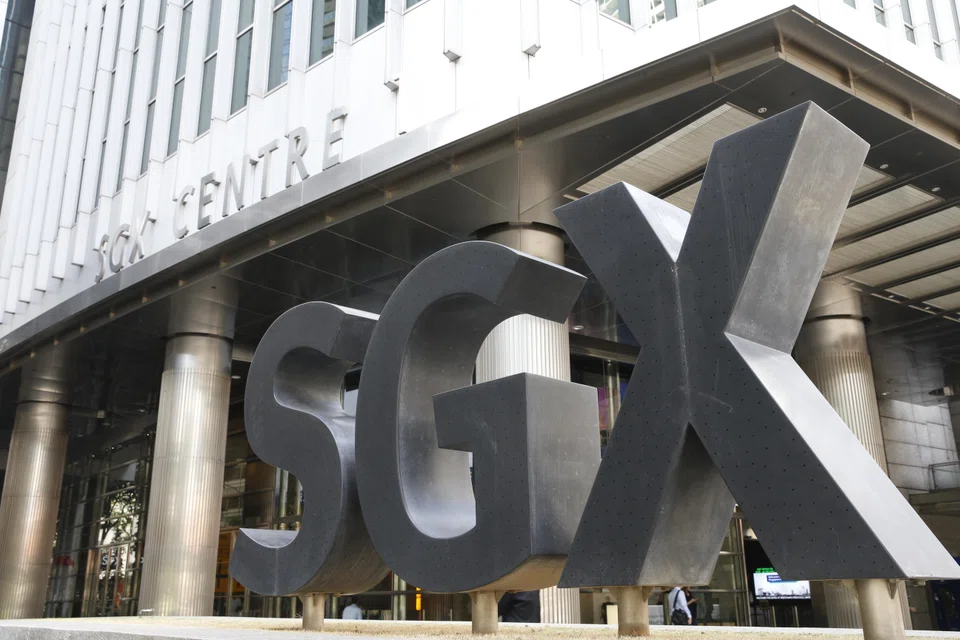
SINGAPORE investors can now directly invest in three Hong Kong blue-chip stocks – Ping An Insurance, Meituan and Xiaomi – via newly launched Singapore Depository Receipts (SDRs).
SGX launched its second batch of Hong Kong SDRs on Wednesday (Mar 5) in partnership with Phillip Securities. This broadens the Singapore Exchange’s (SGX) thematic investment opportunities in artificial intelligence (AI), electric vehicles (EV), e-commerce and financials.
This follows two past launch rounds for Thai SDRs. On May 30, 2023, SGX debuted SDRs for three of Thailand’s largest listcos under the Thailand-Singapore Depository Receipt Linkage. On Apr 1, 2024, it widened its offerings of Thai SDRs and launched five more linked to blue-chip companies in Thailand.
Here are the SDRs that have been launched so far:
May 30, 2023: Airport operator Airports of Thailand, food retailer CP All and energy play PTT Exploration & Production.
Apr 1, 2024: Telco conglomerate Advanced Info Service, power-systems producer Delta Electronics, energy producer Gulf Energy, industrial materials conglomerate Siam Cement, and Kasikornbank.
Oct 30, 2024: Alibaba, Tencent, BYD, HSBC and Bank of China.
Mar 5, 2025: Ping An Insurance, Meituan and Xiaomi.
Jun 23, 2025: Semiconductor Manufacturing International Corp, e-commerce giant JD.com, PetroChina, private hospital operator Bangkok Dusit Medical Services, food conglomerate CP Foods and Gulf Development.
The Business Times explains what SDRs are, how they work, and how they benefit investors.
What are SDRs?
SDRs are financial instruments that allow investors to hold shares of foreign companies listed on stock exchanges outside of Singapore, without directly dealing with the complexities of buying shares on exchanges overseas, said Luke Lim, the managing director of Phillip Securities.
They are traded locally in Singapore like a stock, meaning that they are traded in Singapore dollars, during local trading hours, and in line with domestic trading regulations.
“In the case of the Thai SDRs, investors would be able to invest in these (Thai) companies just like how they would be able to invest in companies that are listed on the SGX,” explained Gerald Wong, the founder and chief executive officer of investment advisory platform Beansprout.
Lim added that SDRs are issued on an unsponsored basis, and are not issued by the underlying companies.
How do SDRs work?
An SDR is issued for trading on the SGX securities market by an intermediary, also known as an issuer. The issuer does not have a formal agreement with the underlying company.
Currently, Singapore has Thai and Hong Kong SDRs, all of which are launched in partnership with brokerage Phillip Securities.
Lim said that each SDR represents a specific number of shares of the company listed on an overseas exchange. The shares are held by a custodian appointed by the SDR issuer in the company’s home country.
Even though the custodian technically owns the shares, they do so for the benefit of the SDR issuer, who holds them in trust for SDR holders, said Lim.
Benefits of SDRs
Wong said that SDRs provide several upsides for investors.
Firstly, investors may find it more convenient to invest in SDRs as they can be traded through any brokerage account that offers trading in Singapore stocks. He noted that there are more trading platforms locally that offer access to the Singapore market than the Thai market.
Secondly, investors who choose to trade in SDRs will likely pay lower fees than if they were to buy the company’s stocks directly from the overseas exchange.
This is because there are multiple brokerages locally which provide access to the Singapore market, driving down trading fees.
On the other hand, there are fewer platforms that offer access to trading in Thai stocks. Therefore, trading fees are likely to be higher for investors who buy them through brokers with access to the SET, said Wong.
Lastly, as SDRs are listed on the SGX, investors can also have their SDRs under custody with the Central Depository, rather than with a broker if they were to buy the stock directly from an overseas exchange.
What do Thai SDRs bring to the Singapore market?
Phillip Securities said that the Thai SDRs “significantly enhance” investment opportunities, since they allow investors to trade securities listed on other exchanges directly on the SGX.
Lim added that Thailand has emerged as an appealing destination for investors because of its “robust manufacturing base and projected gross domestic product growth”.
“The availability of Thai SDRs on the SGX platform offers investors access to some of (the country’s) largest conglomerates, presenting an attractive opportunity for those keen on investing in prominent Thai companies,” he said.
Wong noted that Thai SDRs are represented by non-voting depository receipts of the listed Thai companies. This means that the SDR holders do not get voting rights and cannot vote in the companies’ annual general meetings.
However, they would still get the economic benefits that come from the underlying Thai company.
For example, they will receive any dividend payout from the company as well, with distributions paid in Singapore dollars.
What are the downsides of SDRs?
Wong said that investors should be mindful of the foreign-currency risk involved in buying SDRs.
For example, the Thai baht has weakened against the Singapore dollar in the past year. This could affect the returns that investors are able to generate from SDRs, he added.






