

Why war can’t sink global growth – or the STI – for long
Markets look past oil shocks quickly and Iran may be no exception
DESPITE whatever gyrations come next, the Iran war’s economic havoc and stock market wiggles will vanish far faster than almost anyone fathoms. Yes, even in Singapore and Asia, despite tight Middle East energy ties. None of it changes my 2026 bullishness for the Straits Times Index (STI) and beyond.
All war is tragic. But cold-hearted markets react to energy-centric regional conflicts methodically in three steps. First, volatility and rising oil prices start amid pre-conflict saber-rattling. This was in January and February. Second, initial fighting exacerbates this as markets price worst-case scenarios – like in March.
Then comes step three: Stocks fathom the conflict’s limited, temporary economic scope. They rally long before fighting stops, seeing persistent global growth. Oil prices reverse fast.
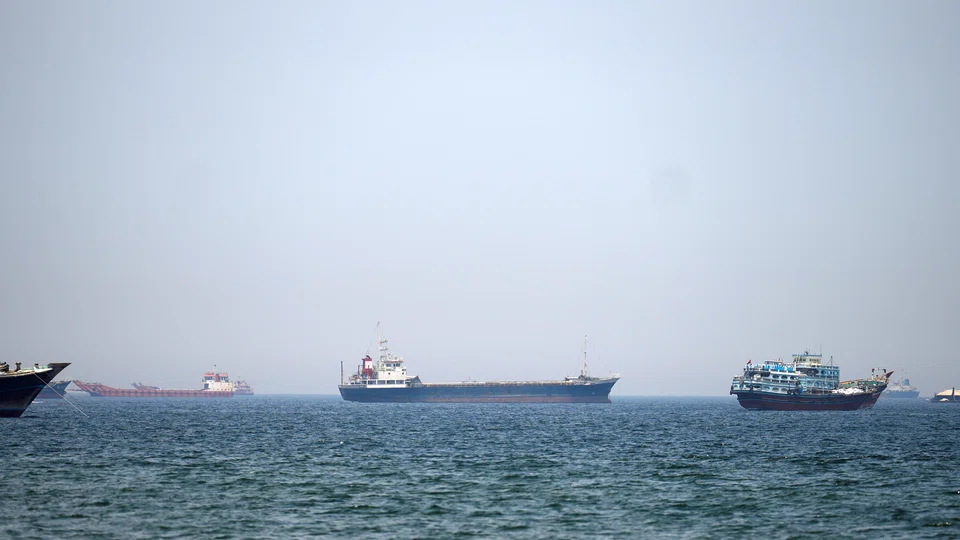
If April’s stock market bounce and oil price dip isn’t step three’s start, expect it soon. America’s blockading the Strait of Hormuz effectively changes little. Iran had already halted “unfriendly” traffic – and never really reopened the Strait before reclosing it. Sanctions and dilapidated infrastructure limited Iran’s pre-war oil output to 3 per cent of global oil production. Most of that stayed home or went to China.
Collateral damage is a factor. Gulf countries accounted for over 70 per cent of Singapore’s oil imports in 2025, and those imports plunged 36 per cent in March and April. Many note that much of US and Canadian crude isn’t the medium-sour variety Singapore’s refineries are geared towards, complicating replacement.
But Russia’s Urals blend is a fit and the Republic’s Russian oil imports jumped 57 per cent in March and April, fully offsetting Middle East shortfalls. Some crude from America’s Strategic Petroleum Reserve release also fits the bill. Hence, the STI’s late February and early March dip was shallow and short-lived – markets knew shortfalls wouldn’t last.
Globally? Headlines shriek that 20 per cent of annual global oil flows through Hormuz. But a third of that is entering for processing – not exiting. It simply heads elsewhere. And workarounds for exiting oil are increasing. Saudi Arabia’s East-West pipeline exports were under 800,000 barrels-per-day (bpd) pre-war. Now? About five million. Abu Dhabi’s Fujairah Port oil exports jumped almost 40 per cent in March to 1.6 million bpd.
Non-Gulf producers are boosting output, too. US crude exports hit records in April, helping not only Singapore but Japan, Korea and Thailand secure additional supply. Refineries have still cut back run rates, and full replacement won’t happen overnight as they adjust to handling other crude varieties. Jet fuel and diesel will be hit hardest in the short term. But give it some time. Economies adapt – fast. Plus some of your neighbors are refiring coal power plants. Japan restarted nuclear output.
Natural gas? Yes, Qatar supplies a significant portion. But GasCo received spot cargoes from Australia and Mozambique in March and April to fill the Qatari shortfall. Other countries in similar situations, such as Italy, have turned to America for additional supply.

This isn’t 2022. Back then, Europe’s dearth of natural gas terminals complicated replacing Russian sources, sending global prices stratospheric. Numerous terminals built since mean that isn’t now. So while Asian natural gas prices’ doubling in the three weeks after the war started wasn’t pleasant, prices have begun retreating. They will be much lower much sooner than anyone imagines.
Inflation? Rising petrol prices sting. And Singapore inflation did accelerate in March but to just 1.8 per cent year on year. But energy spikes don’t cause lasting, broad inflation. Excess money creation does, always. The city’s M3 money supply is up 5.1 per cent year on year – unalarming. So, oil price jumps simply force other prices to fall, usually luxury goods and consumer durables. Even that effect won’t be big in Singapore. Utilities and fuels combined are less than 4 per cent of total consumer spending. Spiking petrol prices won’t change that much. The same goes for petrochemical feedstocks used to create plastics, fertilisers and more.
And, as markets pre-price the Strait’s reopening, oil should fall below pre-war levels. Yes, below! In the nine major oil-tied regional wars since 1980, prices rose on average a month after conflict started but sat 4 to 5 per cent below pre-war levels 6 and 12 months out. Think US$60 oil. Quagmires don’t change this – see Afghanistan and Iraq.
If I’m wrong? US$100+ oil posed little problem in the 2010s. And oil that costs US$100 a barrel meant more then than now. Singapore’s 32 per cent inflation over the past 15 years makes US$100 prices today akin to US$76 oil then.
Political impacts could be bigger. If war drags, US President Donald Trump’s Republicans will get hammered in November’s legislative elections. While the gridlock that would bring is great for stocks, it will motivate him to swiftly end this conflict.
So weigh this chaos coolly – stocks will.
The writer is the founder, executive chairman and co-chief investment officer of Fisher Investments, an independent investment adviser serving both individual and institutional investors globally
Decoding Asia newsletter: your guide to navigating Asia in a new global order. Sign up here to get Decoding Asia newsletter. Delivered to your inbox. Free.
Share with us your feedback on BT's products and services
TRENDING NOW

DBS, OCBC, UOB rout lops billions off STI as inflation, rate concerns spook investors

Grab CEO’s wife Chloe Tong on life with Anthony Tan and finding her purpose

OCBC sheds S$8 billion in value as shares close nearly 6% down; analysts cautious on banks

Deal between tycoon friends sparks scrutiny of Philippine power sector

