
Budget 2026: A lower carbon tax may slow Singapore’s decarbonisation
However, sustainability experts say there are other measures to continue the push towards the low-carbon transition
 Add BT as a preferred source
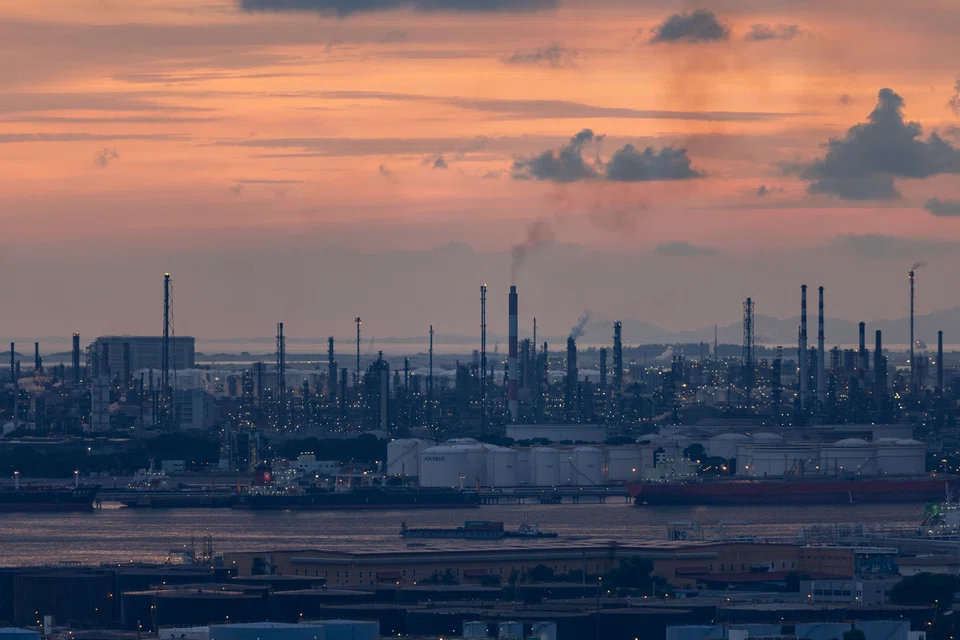
[SINGAPORE] A lower carbon tax may slow down the decarbonisation momentum in Singapore, but policymakers could still use other levers to push companies towards that trajectory, said sustainability professionals.
In addition, many large emitters have already made long-term investments by committing significant capital towards their decarbonisation plans, said Mark Addy, a partner for tax services at KPMG.
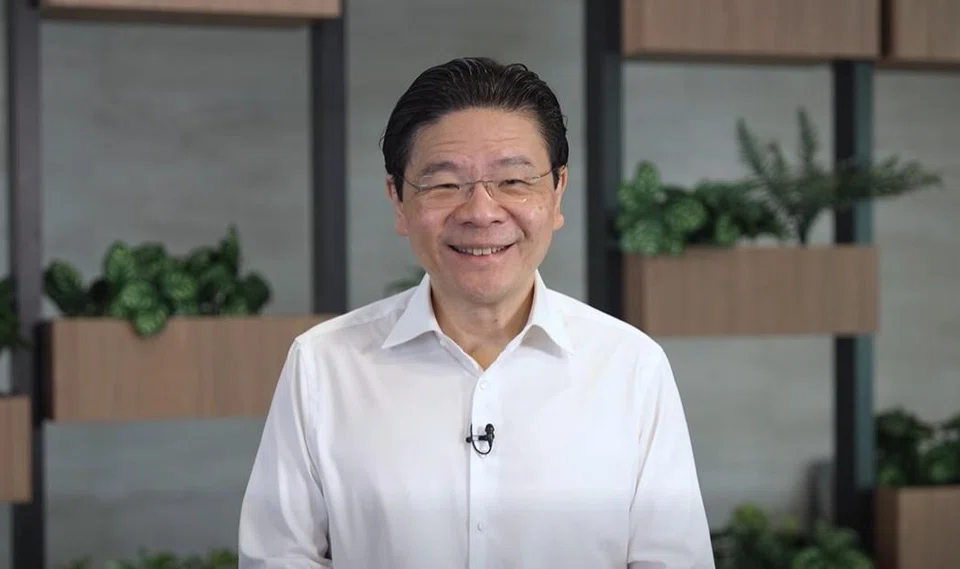
Finance Minister Lawrence Wong said during his Budget speech on Thursday (Feb 12) that Singapore may need to position its carbon taxes towards the lower end of its projected S$50 to S$80 per tonne range by 2030, if global climate momentum continues to weaken.
This is the first time an indication has been given on where the carbon tax might land within that range.
The city-state’s carbon tax just increased to S$45 per tonne of carbon dioxide equivalent in 2026, from S$25 last year. It will remain at that price in 2027.
Most efficient and effective tools for decarbonisation
A high enough carbon tax is widely recognised as one of the most effective tools for decarbonisation, and some studies have found that a tax rate of around US$100 per tonne by 2030 is needed for the global economy to be on a net-zero pathway.

At S$45 per tonne, Singapore’s carbon tax is already the highest in Asia, noted Wong, who is also the prime minister.
As there is still uncertainty around how carbon will be priced in other markets, it is reasonable for Singapore to calibrate future increases given the need to balance energy security, affordability and economic competitiveness, said Addy.
“A more conservative rate trajectory gives Singapore more flexibility to monitor international developments and avoid compromising trade-exposed sectors – an approach aligned with Singapore’s long-standing strategy of keeping its carbon-pricing framework predictable but competitive,” he added.
SEE ALSO
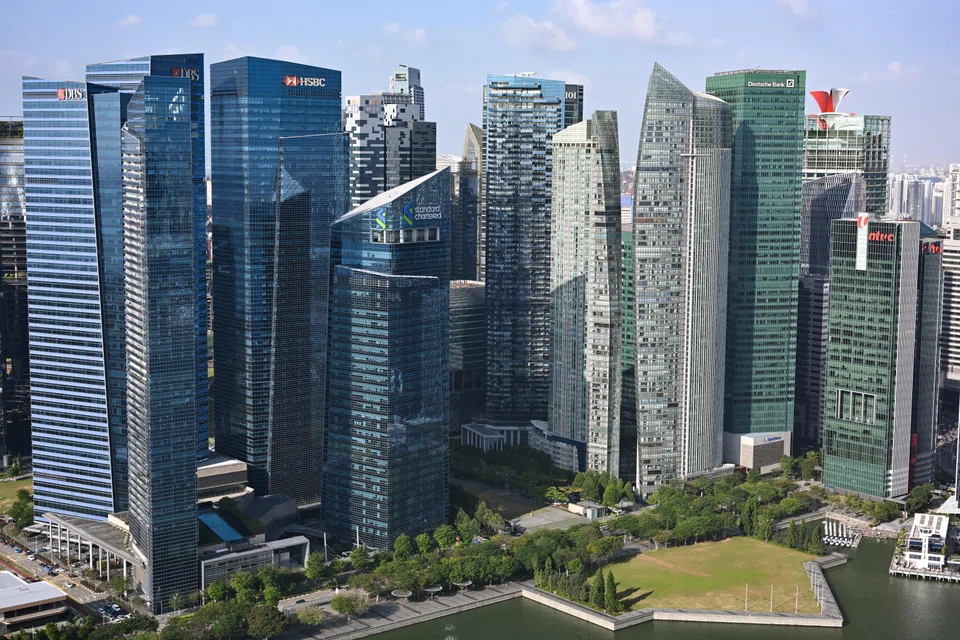
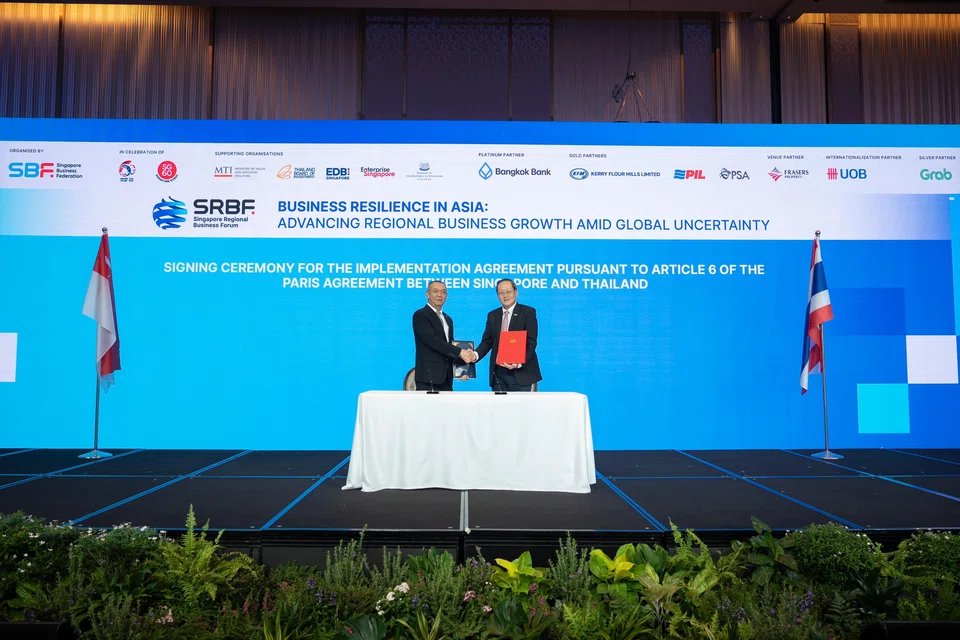
Climate action has taken a step back globally in the last few years. A carbon tax at the lower end of the range reflects a pragmatic and calibrated approach, said Toh Shu Hui, partner for tax services at EY.
“(It is) designed to ensure that businesses and the broader economy are not unduly burdened by higher operating costs that could result from a higher carbon tax amid global uncertainties and other competing demands,” she added.
Sustainability professionals agree that Singapore will still remain committed to its decarbonisation goals, even if a lower carbon tax comes to pass by 2030.
“While a rate closer to S$50 per tonne may moderate the pace of momentum, it should not reverse it,” said Addy.
However, given that the revenue from carbon tax is used to finance decarbonisation efforts, Toh noted that the potentially lower revenue collected may constrain this area of funding.
Other policy levers
In the absence of a steeper tax rate, policies could look at moderating energy consumption.
This could be in the form of green building standards and practices, more energy-efficient household appliances, or corporate and personal habits and norms, said Fang Eu-Lin, sustainability and climate change practice leader at PwC Singapore. Some of these measures are already in place, but Fang said they can be expanded further to manage energy demand.
“Other levers could also include more targeted and expanded incentive towards technology and innovation which reduce emissions or energy demand or increases energy efficiency,” she added.
Toh said that other areas Singapore could explore include targeted renewable energy incentives, tax credits, and research and development funding for priority fields to reduce emissions and improve energy efficiency.
Evolving the overall carbon tax system to one that is more performance-based – rather than a broad-based cost burden on high-emitting companies – reflects business realities more closely, added Addy.
As the current carbon tax is applied based on the total amount of emissions a facility generates, it does not consider factors such as emissions per unit of output, or sectoral abatement potential.
A more progressive carbon tax structure post-2030 could incorporate metrics such as carbon intensity and emissions volume, as well as provide stronger and more targeted incentives for decarbonisation.
Alongside this, carbon-intensive companies that are trade-exposed could have tax rebates, depending on conditions such as whether their emissions profile have improved, or whether they have invested in low-carbon technologies.
“Such an approach would create a more transparent, performance-based system that rewards decarbonisation outcomes rather than imposing a uniform cost burden,” said Addy.
For more of BT’s Budget 2026 coverage, go to bt.sg/budget26
Decoding Asia newsletter: your guide to navigating Asia in a new global order. Sign up here to get Decoding Asia newsletter. Delivered to your inbox. Free.
Copyright SPH Media. All rights reserved.

