

China pumped in over US$100 billion overseas in cleantech since 2023: research group
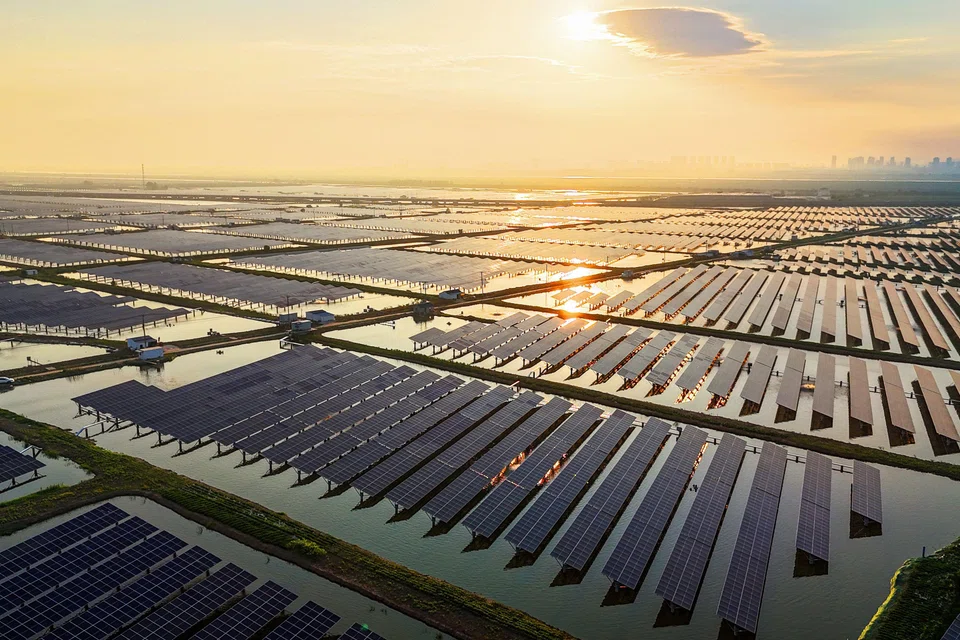
CHINESE firms’ overseas investments in clean energy technology projects have exceeded US$100 billion since the start of 2023 as they aim to avoid tariffs in the US and elsewhere, Australian research group Climate Energy Finance (CEF) said on Wednesday.
China is the world’s biggest producer and exporter of products such as solar panels, lithium batteries and electric vehicles, with its investment, innovation and manufacturing capabilities leading the world by an “astonishing margin”, CEF said in a research report.
It is responsible for 32.5 per cent of global electric vehicle exports, 24.1 per cent of lithium batteries and 78.1 per cent of solar panels, but its dominance has sparked concerns it is using its giant capacity surpluses to flood markets, drive down prices and undermine competitors.
The United States and Canada have already slapped 100 per cent tariffs on China-made electric vehicles, and the European Union is set to vote on the issue this week. US imports of Chinese solar panels and lithium batteries are also subject to tariffs of 50 per cent and 25 per cent, respectively.
“The investments from Chinese private companies are largely driven by the need to circumvent trade barriers,” said Xuyang Dong, CEF analyst and co-author of the report.
She said BYD, China’s leading electric vehicle manufacturer, is now building a US$1 billion plant in Turkey to avoid a proposed EU tariff of nearly 40 per cent, and battery maker CATL is planning factories in Germany, Hungary and elsewhere.
BYD and CATL did not immediately respond to emailed requests for comment on a Chinese national holiday.
According to a separate study published by Britain’s Grantham Institute this year, two thirds of China’s cleantech capacity would be “surplus to domestic requirements” and looking for export markets by 2030, with total solar production capacity set to reach 860 gigawatts.
China has bristled at the tariff increases, saying restrictions on cheap Chinese imports will hamper efforts to combat climate change.
SEE ALSO


Senior Chinese climate envoy Liu Zhenmin warned in March that “decoupling” from Chinese manufacturing could raise the global energy transition bill by 20 per cent. REUTERS
Decoding Asia newsletter: your guide to navigating Asia in a new global order. Sign up here to get Decoding Asia newsletter. Delivered to your inbox. Free.
Share with us your feedback on BT's products and services
TRENDING NOW

Once staunchly pro-China, Malaysian Chinese businesses are now distancing themselves from Beijing

Britain’s mansion tax shows the difficulty of targeting wealth
Three hats, one goal: How Ng Kian Swan runs sustainability at NUHS

COE review: The gap between luxury and mass-market cars isn’t the only one worth bridging

