Climate Impact X keeps scandal-hit carbon projects in flagship contract

Wong Pei Ting
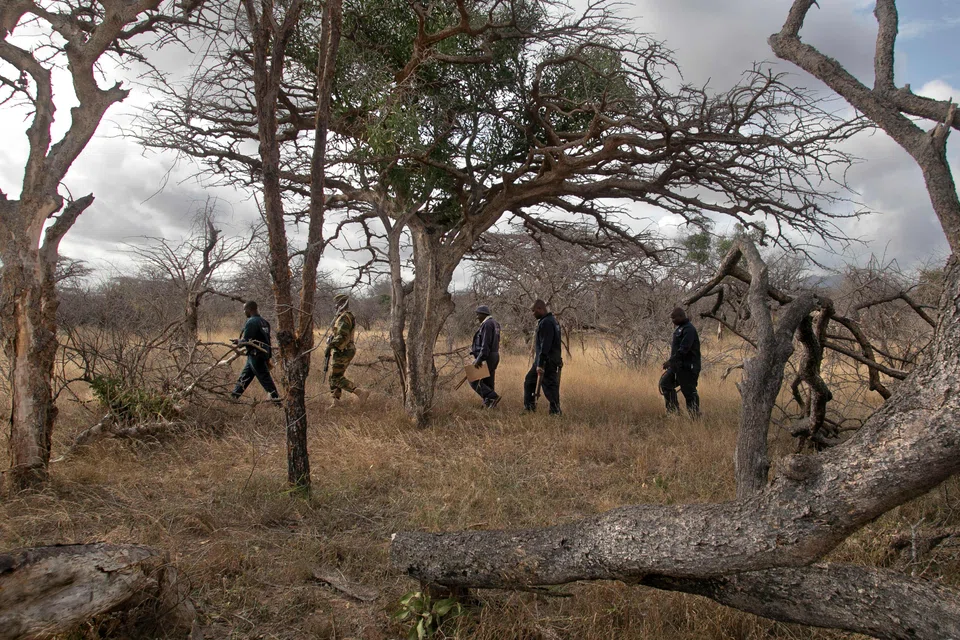
SINGAPORE Exchange-backed carbon exchange Climate Impact X (CIX) said its flagship contract will continue to include credits from two projects that are facing allegations of human rights abuses.
CIX’s Nature X contract delivers a basket of credits drawn from 11 forest conservation carbon projects, including the Kasigau Corridor project in Kenya and the Southern Cardamom project in Cambodia.
On Nov 6, a report by the Kenya Human Rights Commission and the Centre for Research on Multinational Corporations alleged systemic sexual harassment and abuse at Kasigau. Verra, the world’s biggest carbon-credit certifier, has suspended future issuance of credits for the project and is investigating the issue.
In a Nov 8 circular to clients, CIX said a preliminary review determined that Kasigau credits were still able to satisfy the size, quality and liquidity criteria for remaining in the contract’s basket. “We are therefore maintaining its deliverability into the contract until we know more,” the group stated.
On Nov 9, CIX told The Business Times (BT) that the exchange is still reviewing Kasigau to “revalidate” its eligibility.
Nature X’s contracts are issued in vintages that span rolling four-year bands, which means that even though the 2021-to-2024 contract might not have credits from Kasigau that are issued in 2024 if the Verra suspension persists, it could still deliver Kasigau credits issued between 2021 and 2023.
The same memo also told clients that Southern Cardamom credits will remain deliverable into Nature X following the conclusion of a review by CIX.
In June, Southern Cardamom faced allegations that it was burning homes and equipment that belonged to local communities. Verra has also suspended future credit issuances for the project, and its investigation is ongoing.
The forest conservation credits – commonly referred to as Redd+ – that lie at the heart of Nature X have been mired in controversy over the past year, with reports questioning the robustness of the methodology and verification.
Amid overriding concerns over the validity of existing Redd+ credits, the price of Nature X has shed more than half its value since its first day of trading on Jun 7. The most current contracts – representing 2019 to 2022 vintages – started off trading at US$5.36 per carbon credit, but are only worth about US$2 per credit today.
Over the same period, Southern Cardamom credits that were issued in 2021 have lost more than half their value, dropping from US$9.36 on Jun 7 to US$4.46 as at Nov 9, according to prices assessed by Quantum Commodity Intelligence. The price reporting outfit does not track the prices of Kasigau credits.
While CIX has chosen to keep Kasigau and Southern Cardamom deliverable for now, some of its peers have taken a different tack. CIX rival carbon exchange CBL on Nov 7 suspended Kasigau from its N-Geo standardised carbon contracts, which means that new N-Geo contracts by CBL will not include Kasigau credits. This is the first time CBL has taken such a step since N-Geo’s inception in March 2021.
Earlier on Jun 23, AirCarbon Exchange said it no longer accepts Southern Cardamom credits for the standardised contracts on its spot trading platform.
Redd+ prospects
CIX remains upbeat about Redd’s prospects. In e-mailed responses to BT, the exchange said criticisms lobbed at Verra have given the verifier the opportunity to provide a valid rebuttal about the inaccuracies inherent in many of the claims and studies issued.
Noting as well that Verra has outlined initiatives to continuously improve methodologies, CIX said: “Standards and their underlying technologies and methodologies have come a long way.
“It is important to note that carbon markets were already on the pathway for continuous improvements, with global efforts to further improve the science and methodologies well underway.”
CIX also pointed to “compelling evidence” proving the effectiveness of forestry and Redd+ projects in a University of Cambridge study that looked into 40 Redd+ projects. The study found that deforestation within project areas fell by 47 per cent and degradation rates were 58 per cent lower in the first five years of the projects’ implementation.
“Not all carbon credits are created equal. Any carbon project, regardless of geography or design, comes with uncertainty,” it added.
“The Redd+ market, in particular, is uniquely complex because it aims to solve multifaceted social and environmental issues simultaneously. We believe that a curated basket like (Nature X) helps to alleviate some of these uncertainties.”