

Despite backtracking on climate commitments, HSBC says it is ‘more ambitious’ on its net-zero strategy
The bank is focusing on commercialisation in the next phase of its sustainable financing road map

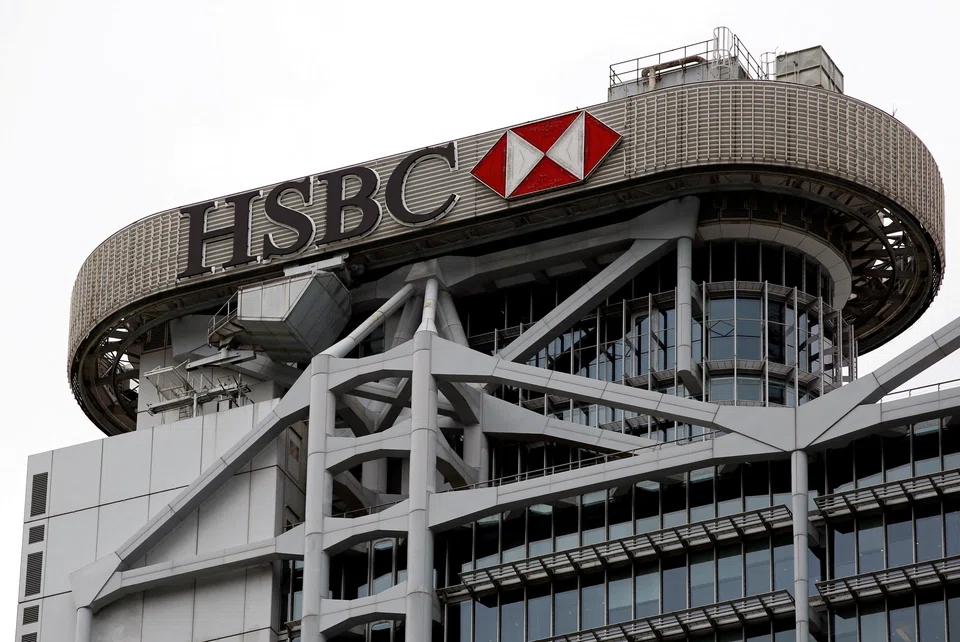
[SINGAPORE] Europe’s largest bank HSBC said that it is “more ambitious” in its net-zero strategy, despite previously pushing back on its climate targets.
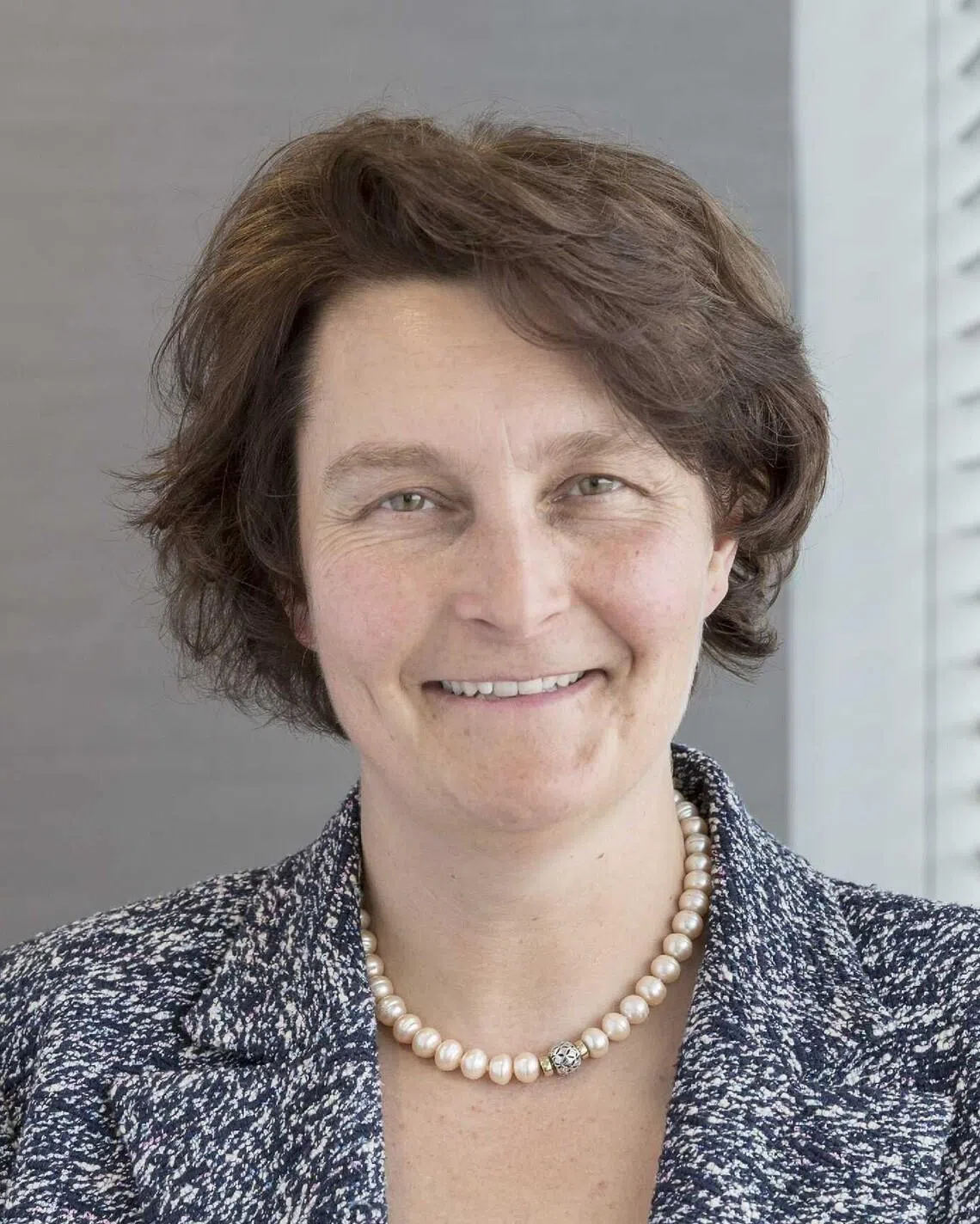
The bank’s global head of sustainable finance and transition Natalie Blyth told The Business Times that it is focusing on commercialisation in the next phase of its sustainable financing road map, instead of just target setting.
“So we haven’t delayed anything on the commercialisation strategy. The delay that people focus on is the Scope 1 and 2 commitments,” said Blyth, who spoke to BT on the launch of a new financing facility for China’s low-carbon industries.
She added: “The main area for HSBC to hit net zero is our activities through our clients, so Scope 3. And that is where we’ve got more ambitious, and the strategy is more ambitious in terms of tackling whole ecosystems.”
Scope 1 refers to direct emissions resulting from a company’s business activities, while Scope 2 are those arising from its electricity use. Scope 3 emissions are indirect emissions stemming from a company’s value chain.
In the case of financial institutions, their Scope 3 emissions – which are financed emissions from their lending activities – are its biggest.
HSBC came under fire over the last two years for making several moves that seemed to indicate that its commitments towards net zero had waned. It pushed back its operational net-zero targets (Scope 1 and 2) by 20 years to 2050.
It also reviewed some of its financed emissions targets (Scope 3) from hard-to-abate sectors, by changing the targets for these sectors to a range instead of a fixed number.
The role of its chief sustainability officer (CSO) was cut from the bank’s top decision-making body, after a widespread organisational restructuring exercise in 2024. A few months later, its then CSO Celine Herweijer stepped down from the bank.
Despite these moves, Blyth said that the bank remains committed to achieving net-zero emissions by 2050.
“Then, it is about setting policy, writing net-zero transition plans. So that set-up phase was necessary, and now we’re in a degree of maturity whether we can put most of our efforts into the commercialisation… and actually doing it and getting on with the clients,” she noted.
“I know there’s a lot of narrative and there’s rhetoric out there, and sometimes it doesn’t make sense to shout into the wind… But what does make sense is just getting on and doing it and proving it. And that’s the phase that we’re in at the moment.”
HSBC has updated its approach, which the bank said is to reflect a significantly changed external landscape since setting its first net-zero targets in 2020.
“Customers are navigating a more complex transition amid macroeconomic and geopolitical shifts, with uneven progress across sectors and regions and a more fragmented policy environment,” said Blyth.
The commercialisation strategy the bank is embarking on was shaped after reviewing about 4,000 of its customer transition plans, and focused on capital and capabilities where customer demand and real-economy impact are expected to be the greatest.
The launch of this new US$4 billion facility dedicated towards China’s low-carbon industry is a part of this new phase.
The facility is aimed at helping these Chinese companies scale internationally, especially in South-east Asia, and also to support the decarbonisation efforts in the region.
While HSBC has already been providing green financing to Chinese companies, Blyth said that this facility helps bring deals faster to the market by whitelisting companies that have cleared credit and reputational risks.
Blyth said that this new facility will be a catalyst for the bank’s “very ambitious sustainability strategy” by helping companies transition through an ecosystem approach.
HSBC has mapped 10 “fast-growing transition ecosystems”, with clean power, transport electrification, and data centres and artificial intelligence emerging as the three largest.
The bank believes Chinese companies can help drive growth in these three ecosystems by providing the clean energy and low-carbon solutions required for the global transition.
“What we want to do is be effectively a king maker. So we want to finance them, we want to de-risk them, and we want to scale them up,” said Blyth.
In the context of South-east Asia, this facility aims to be a bridge between Asean climate tech, as well as global capital.
And the hope is for the facility to produce a multiplier effect in the region.
“The Chinese clients in those three ecosystems are the most advanced and the most impactful. But financing them and taking them to Jakarta, doing more in Singapore, doing more all over Asean and beyond accelerate a bigger commercial and economic imperative,” she noted.
TRENDING NOW

DBS, OCBC, UOB rout lops billions off STI as inflation, rate concerns spook investors

Grab CEO’s wife Chloe Tong on life with Anthony Tan and finding her purpose

OCBC sheds S$8 billion in value as shares close nearly 6% down; analysts cautious on banks

Deal between tycoon friends sparks scrutiny of Philippine power sector

