Singapore-listed palm oil stocks catch biodiesel spark
A fortuitous mix of supportive fundamentals could enable them to burnish their sustainability credentials
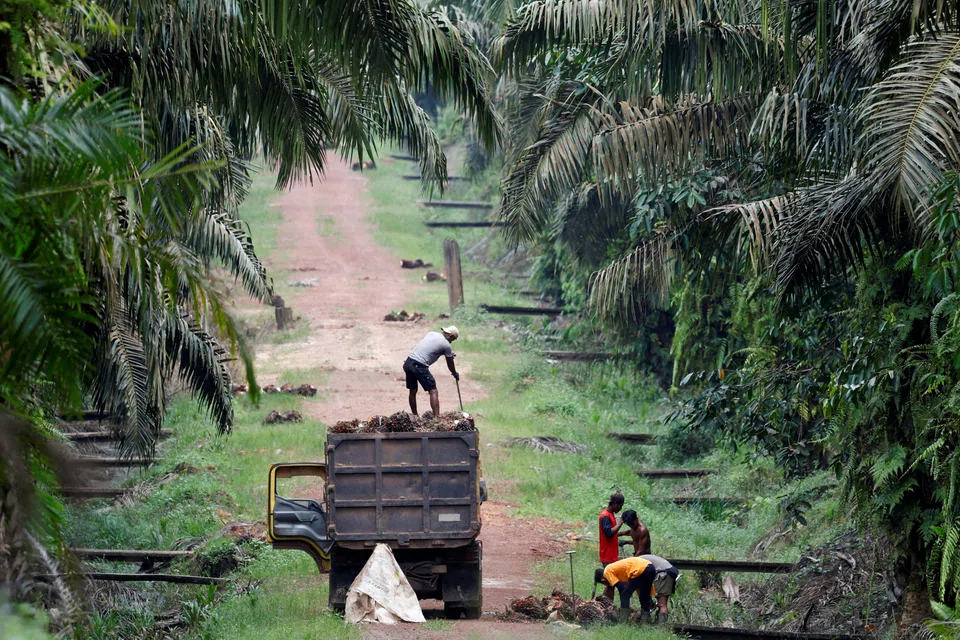
SHARES of Singapore-listed palm oil companies have climbed steadily so far this year as the war in Iran further elevates the price of the commodity.
The fortuitous mix of supportive fundamentals could provide the palm oil companies with a precious opportunity to burnish their sustainability credentials ahead of a future where deforestation policies and nature reporting gain prominence.
One of the beneficiaries of the fossil fuel supply disruptions that have arisen from the Middle East conflict has been the uber useful palm oil.
Shares of Indonesian plantation group Kencana Agri have shot up the most among Singapore-listed palm oil counters, doubling so far this year to S$0.53 on May 6 from S$0.26 at the end of 2025. The stock has been on a tear since the company announced in February that net profit for 2025 rose 54 per cent to US$18.4 million and declared a S$0.015 per share final dividend.
Shares of Wilmar International , the largest Singapore-listed palm oil play by market capitalisation, last traded at S$3.75 on May 6, up 21.8 per cent so far this year. The stock reached a S$3.99 close in April, the highest in almost three years.
As reference, the broader market as measured by the Straits Times Index is up just 6.1 per cent on the year.
Price of palm oil
One of the key drivers behind the stock rallies has been the price of palm oil itself. The average spot month settlement price of crude palm oil (CPO) futures on Bursa Malaysia increased from RM4,043.82 per tonne in December 2025 to RM4,570.36 per tonne in April 2026, a 13 per cent hike.
That pricing strength rests on three factors, two of which are related to the Iran war. The first is that the closure of the Strait of Hormuz has driven up energy prices; since palm oil can be substituted for mineral oils in some fuels and consumer products, higher oil and gas prices also tend to raise prices for palm oil.
The second factor is that the ongoing supply disruption has strengthened South-east Asian governments’ resolve on biodiesel adoption.
Most notably, Indonesian Agriculture Minister Andi Amran Sulaiman said on Apr 19 that Indonesia will stop importing subsidised low-grade diesel from Jul 1 as the country imposes a mandate for B50 biodiesel. The number in B50 is the percentage of biofuel blended with mineral diesel, and B40 is the current mandate in Indonesia.
Malaysia also said in April that it will gradually raise its biodiesel mandate to B15 from the current B10 policy. Thailand currently subsidises B20 fuel.
The third factor is weather related. The general expectation is that higher surface temperatures due to the El Nino effect this year could hurt palm oil production, which would raise prices.
In March, OCBC analysts Chu Peng, Ada Lim and Ahmad A Enver raised their CPO target to RM4,300 per tonne from RM4,200 per tonne. OCBC has “buy” ratings on Wilmar and Bumitama Agri , and a “hold” call on Golden Agri-Resources .
Fitch Solutions’ BMI is also forecasting RM4,300 per tonne for CPO in 2026, and expects RM4,460 per tonne by 2030. Well-followed edible oils analyst Dorab Mistry is going even further, calling for palm oil futures to hit around RM5,000 per tonne by June and possibly RM5,200 per tonne by mid-July.
Moving alongside those supportive factors are sustainability-related issues where the impact on the business hinges on how well the company meets market and regulatory expectations.
One of the more imminent ones is the European Union Deforestation Regulation, which aims to ban imports that originate from recently deforested land or have contributed to forest degradation. Products that use palm oil are among those covered by the rule.
This week, the EU completed a simplification review of the long-delayed rule and issued a draft for public comment. Among the proposed changes is an expansion of the scope to include more palm oil derivatives, including soap.
Perhaps more important is that the December 2026 implementation timeline is still intact. The good news is that the palm oil companies will now have greater visibility about the timing and the requirements of the new law. But the work to achieve compliance – and to protect revenue – lies ahead.
Another major transition event worthy of attention is ongoing progress towards standards for nature reporting.
In April, the International Sustainability Standards Board, which drafts global accounting rules on sustainability disclosures, agreed to propose a practice statement on nature-related disclosures. An exposure draft is expected to be put up for public comment in October.
The practice statement will not change requirements of the existing sustainability reporting standards, and instead provide guidance on how to disclose nature-related risks and opportunities within the current rules. But it is one step in a committed journey by the accounting body to address nature reporting.
The policy trajectory suggests that the palm oil companies will have to be more conscientious about their nature-related disclosures. This will take more resources, but if done well it could also raise a company’s profile with investors that incorporate nature factors into their deployment decisions.
The number and sophistication of those investors is likely to grow, in the same way that sustainability and climate factors are now integrated into the assessments by most major fund managers.
The supportive fundamental conditions – an energy crisis, a structural fuel transition and weather – don’t always fall in place at the same time, and the stock prices suggest that the market has big expectations for the year ahead.
Shareholders will no doubt be looking for dividends or some form of reward, but the companies might also want to consider diverting some of the profits towards future-proofing the company against the climate and sustainability transition risks that lay ahead.
Decoding Asia newsletter: your guide to navigating Asia in a new global order. Sign up here to get Decoding Asia newsletter. Delivered to your inbox. Free.
Share with us your feedback on BT's products and services