

From initiative to impact: Driving tangible change in corporate sustainability
The Special Recognition winners of the Sustainability Impact Awards reveal what it takes to turn ambitious ESG goals into measurable, real-world outcomes

[SINGAPORE] True sustainability demands measurable action and the resilience to navigate complex corporate hurdles. We asked the Special Recognition winners of this year’s Sustainability Impact Awards to share the true scale and depth of their winning initiatives, along with the toughest leadership challenges they had to overcome to make them a reality.
LARGE ENTERPRISE
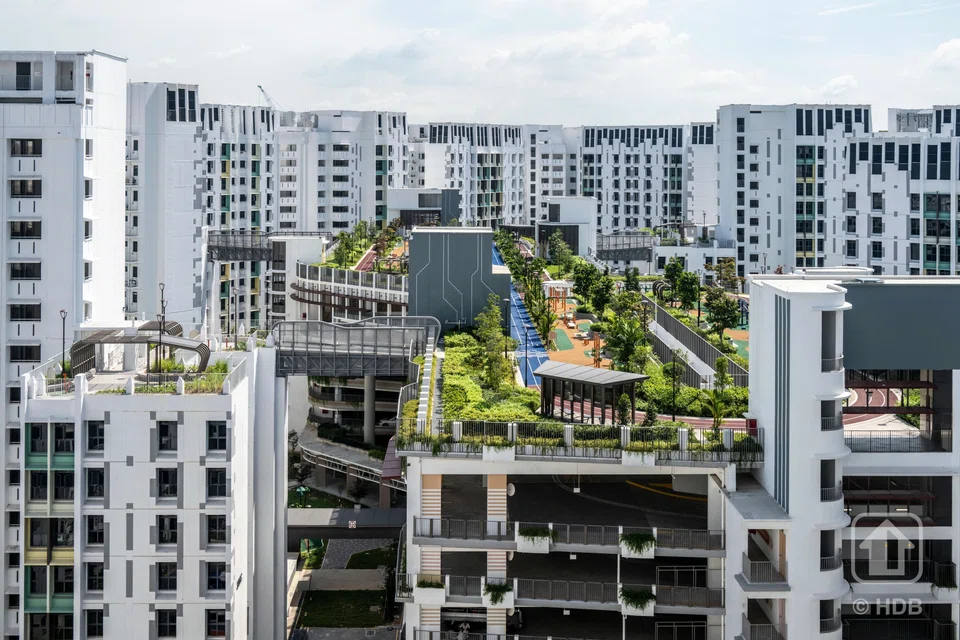
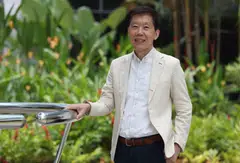
Housing & Development Board Tan Sze Tiong, chief sustainability officer: “With close to 80 per cent of Singapore’s resident population living in more than 1.25 million HDB flats, HDB towns present a significant opportunity to advance Singapore’s sustainability goals at scale.
HDB harnesses this reach through two complementary initiatives – the Smart HDB Town Framework and HDB Green Towns Programme – which integrate sustainability across the public housing lifecycle. For new developments, the Smart HDB Town Framework embeds sustainability from the outset through passive design strategies and solutions such as solar panels and smart lighting. In existing estates, the Green Towns Programme introduces initiatives such as cool coatings, greenery enhancements, solar panels and EV chargers across 24 towns and three estates. Together, these initiatives reshape how HDB towns are planned, built and rejuvenated, translating sustainability into tangible improvements to residents’ living environment.
Achieving impact at this breadth and depth requires more than deploying solutions. A key leadership challenge is building industry capability to take emerging technologies from pilot to widespread adoption. HDB engages industry partners early, facilitates trials and aggregates demand to achieve economies of scale. For example, HDB piloted cool coatings at selected blocks before expanding their application islandwide and providing funding support for adoption, giving companies greater confidence to invest in technology and capabilities.”
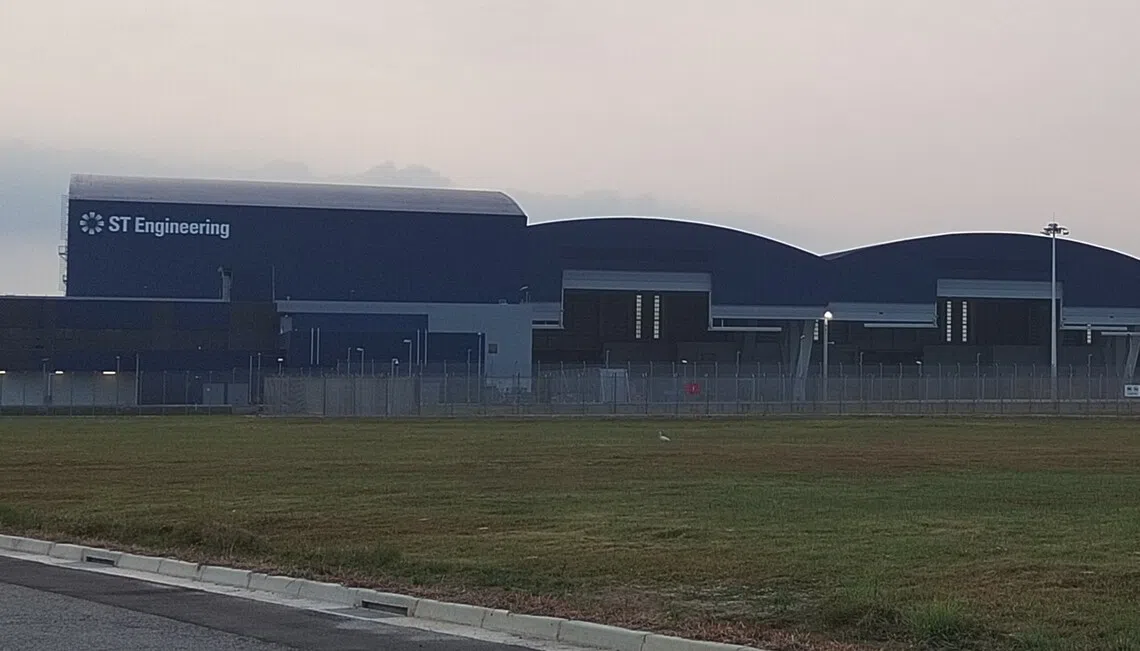
ST Engineering (Commercial Aerospace) Simon Goh Khee Beng, director of sustainability, ST Engineering (Commercial Aerospace): “Our initiatives have delivered impact at scale through continued expansion of renewable energy generation at our newest facility in Changi Creek. We are adding a further 4.4 million kWh of annual solar capacity at this facility, taking our total solar yield in Singapore to 14.8 million kWh.
This will be our first near-carbon-neutral aerospace facility for indirect energy emissions, with minimal reliance on grid energy, and helps to reduce our indirect emissions by around 5,800 tCO2e annually. Its impact also extends to water conservation through two rainwater harvesting systems with 160m3 storage capacity, reducing reliance on PUB-supplied water.
The biggest leadership challenge was translating a technically complex sustainability ambition into operational reality across ST Engineering’s aerospace facilities in Singapore. This required aligning multiple stakeholders, securing their buy-in and ensuring the solutions could be integrated seamlessly, safely and reliably into our daily operations.
In parallel, we advanced our next-generation sustainability reporting platform with AI capabilities to extract invoice data directly, improving the accuracy of GHG emissions and energy consumption calculations which are critical for external data validation. Overcoming these challenges required clear prioritisation, disciplined execution and sustained collaboration to turn sustainability goals into measurable business and environmental outcomes.
Delta Electronics Ping Cheng, chairman and chief executive officer: “At Delta Electronics, the scale of our sustainability impact extends beyond our own operations to the customers, suppliers and communities we work with. Through our integrated net-zero commitment, renewable electricity programme and green products programme, we have delivered measurable environmental outcomes across our global operations.
SEE ALSO









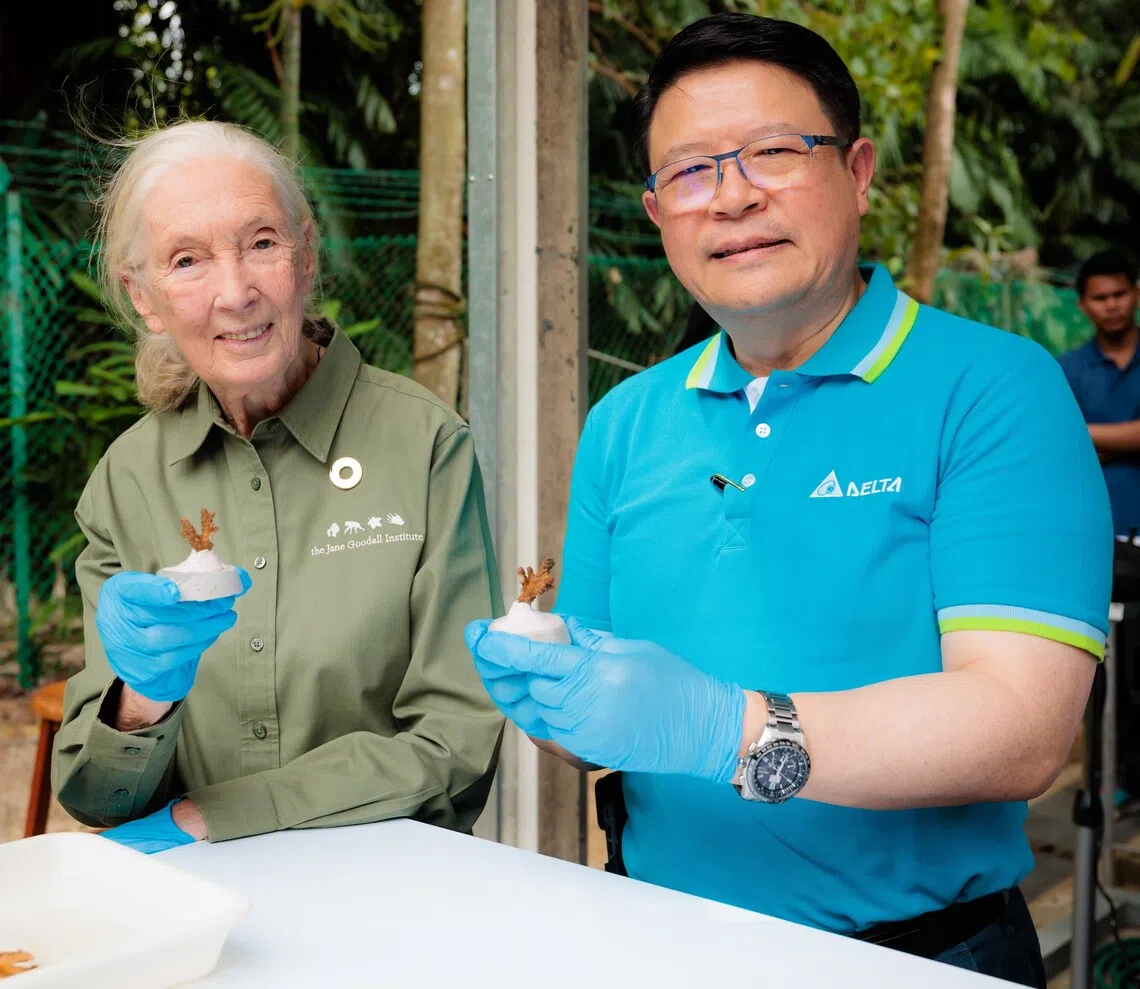
By 2024, Delta had reduced Scope 1 and 2 greenhouse gas emissions by 53.6 per cent from a 2021 baseline and increased renewable electricity use to 84 per cent across our global operations. Beyond our own footprint, our energy-efficient products generated independently assured energy savings and avoided emissions, helping customers reduce their energy consumption and advance their own decarbonisation efforts.
The depth of our impact comes from embedding sustainability across our wider ecosystem. We actively engage suppliers through ESG training, carbon reduction commitments and capability-building programmes, while collaborating with partners such as NParks on Singapore’s 100,000 Coral Restoration Programme to support biodiversity conservation and community engagement.
One of the biggest leadership challenges was turning sustainability from an organisational ambition into action across a diverse global ecosystem. Overcoming this required long-term commitment, transparent engagement and continual collaboration. By combining technology, governance and partnerships, we transformed sustainability from a corporate objective into a collective effort with lasting environmental and social impact.”
SME
Ampotech William Temple, CEO: “Ampotech’s projects demonstrate how the Internet of Things and AI-enabled software can be combined and deployed at scale to support decarbonisation and create real impact across the real estate and maritime industries. Ampotech’s solutions integrate operational data from renewable energy assets, electrical equipment and other building or vessel systems into a unified platform for analysis, reporting, and control. This creates impact not only through energy and cost savings, but also by improving operational visibility and supporting longer-term decarbonisation strategies.
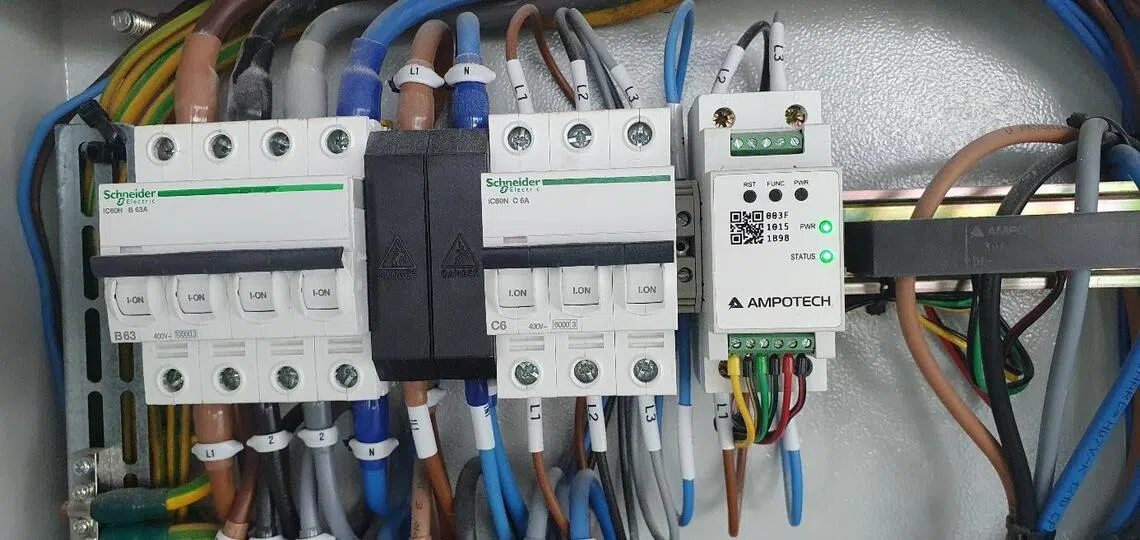
The projects with electric vessel Voltai and Labrador Tower presented challenges because they required Ampotech to deploy its solution in new environments, while working closely with project partners. Most of Ampotech’s projects are with brownfield commercial and industrial properties, but Labrador Tower was a greenfield project, which had a longer timeline and required progressive implementation and commissioning as part of the project build schedule. Similarly, the Voltai was a first-of-its-kind electric vessel under construction, and the project required Ampotech’s team to coordinate with the shipyard and project partners to design and fit-out its vessel and fleet management system.”
KosmodeHealth Singapore Florence Leong, co-founder, director: “KosmodeHealth promotes responsible production to advance health and nutrition sustainably through a #Waste2Health strategy — transforming food by-products (spent barley grains, oil meals, sweet potato fibre) into 2nd life ingredients formulated into staples for blood sugar management.
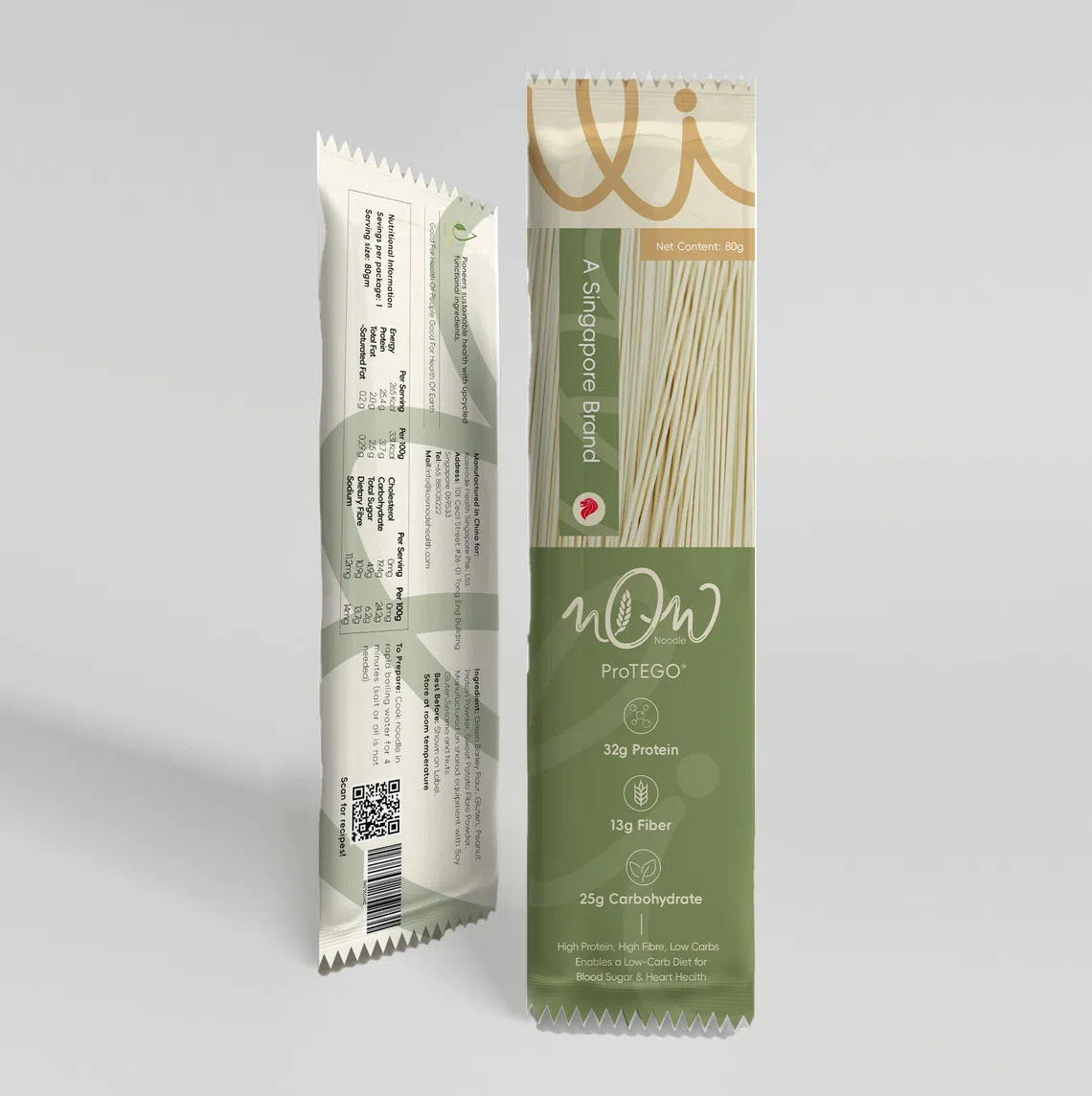
Our flagship innovation, W0W ProTEGO, delivers 32g protein, 13g fibre and just 27g carbs per 100g, making it a low-glycaemic staple for glycaemic control. At scale, tapping the world’s over 300 million tonnes of food processing waste could avoid over 300 million tonnes of CO2 emissions from landfill and crop cultivation, while helping address the nutritional needs of a population projected to exceed nine billion by 2050.
The biggest challenge is one of mindset. Prevailing policy and industry thinking treats by-products through the lens of non-dumping — diverting waste to cut emissions — rather than value maximisation.
Similarly, staples are seen as, at best, something to make ‘healthier’, not as an active solution to disease. We had to challenge both assumptions: proving by-products could become premium functional ingredients, and that a staple noodle could go from being a contributor to diabetes to a genuine tool for managing it. W0W ProTEGO is the proof — turning ‘waste to health’ from a slogan into commercialised reality.”
Decoding Asia newsletter: your guide to navigating Asia in a new global order. Sign up here to get Decoding Asia newsletter. Delivered to your inbox. Free.
Copyright SPH Media. All rights reserved.
TRENDING NOW
Companies still in search of AI use cases with worthwhile ROI, says Broadcom’s CEO
Malaysian king buys stake in Singapore-listed mining firm expanding into rare earths

Once staunchly pro-China, Malaysian Chinese businesses are now distancing themselves from Beijing
Singapore’s wealth management success should extend to everyday families

