5 Questions with Jenny Lee, star venture capitalist

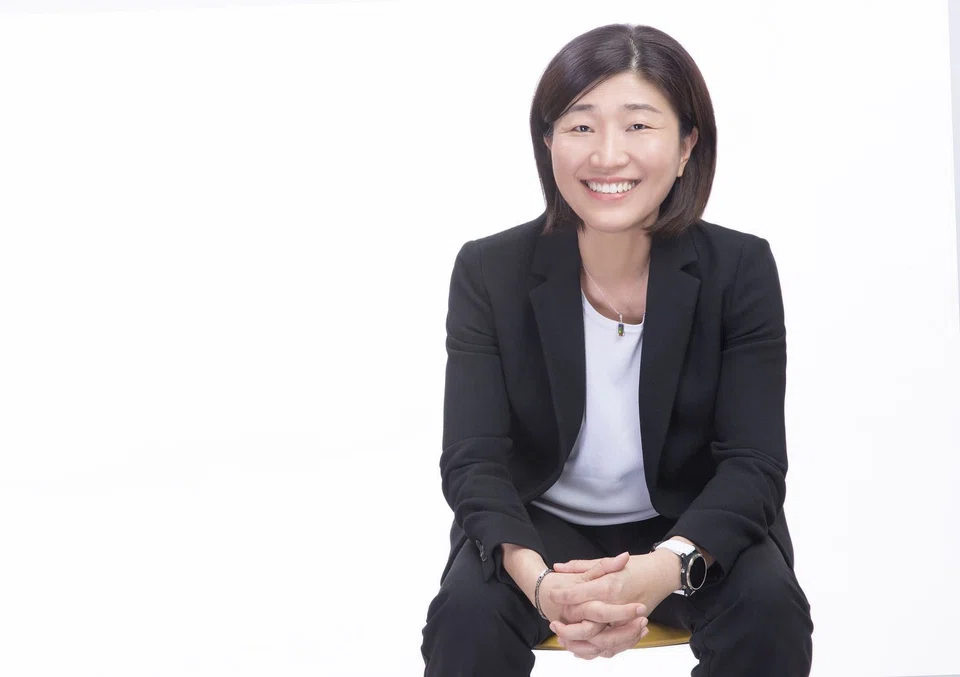
A POWERHOUSE businesswoman. An investor with the "Midas touch". Venture capitalist Jenny Lee's monikers hint at her two decades' track record of investing.
Lee honed her sharp eye for winning startups after having been through a rollercoaster of a career. She trained as an engineer, joined an aerospace company to understand how organisations work, and was ready to dive into the world of VC when the biggest market crash in history happened.
But she navigated the ups and downs and has been managing partner at global investor GGV Capital since 2005, helping 10 startups go public during that time. Lee gives us the details in this new monthly interview series by Garage.
1. Have you ever battled with imposter syndrome? If so, how did you manage it and what advice would you give to founders going through the same thing?
To be honest, I had to look the term up to make sure I understood the question. The short answer is no, I have not battled with imposter syndrome. An imposter is a person who pretends to be someone else. I never wanted to become anybody, nor do I ever think of myself as somebody.
For me, life is a journey full of adventures. Adventures come with challenges. Do I ever feel inadequate and anxious along the way? Of course. Being anxious is being human. Sometimes you need that anxiety to produce great work. Rather than agonising over it, I just get on with the work and figure it out. Maybe that's just my character.
As for founders, self-assurance is a distinguishing trait of great founders. The startup journey can be incredibly lonely and they need that "can-do'' spirit to power through. Founders or entrepreneurs usually belong to the glass-half-full camp. A more common syndrome we see among founders is actually overconfidence, especially when things are going great and it's easy to get blindsided by short-term success.
2. What is the best advice you've received, and in what context or situation was it given?
When I was an engineering student at Cornell, I took some MBA classes for fun. One of the classes I took was entrepreneurship taught by the late Professor David J. BenDaniel. The professor had a doctorate in engineering from MIT before he became a venture capitalist. He brought in founders and investors for us, and that was my first exposure to the VC world. I later became a teaching assistant for his class, and part of my job was to review student assignments, in this case, business plans. I immediately knew this was what I wanted to do, so I asked the professor where I should start. His answer turned out to be a life-changing one.
He said, "To be a good VC, you need to understand how enterprises and organisations are built. Go work at least five years and learn all the ins and outs of venture building before investing."
This is the best advice I've ever received. That's why I took the advice, came back to Singapore and worked on aircraft for five years.
3. When did you experience your biggest setback, and how did you handle it?
In 2001, after working at ST Aerospace for five years and an MBA, I was finally ready to launch the VC career I had always wanted. The summer before graduating, I had already done two internships in Silicon Valley, one with a startup, the other with a venture fund. I was 29 then and so ready to start. Then the biggest market crash in history happened, first the internet bubble burst, and then 911. Everybody thought the internet and the startups were gone, hence there was no point in being a venture capitalist. I didn't get a VC job in Silicon Valley. That was when all VC jobs started in Silicon Valley.
I had 3 choices. Going back to Singapore and being groomed as a leader of ST Aerospace, joining my husband who was already in Silicon Valley and settling for an engineering job, or moving to Hong Kong for Morgan Stanley to look at Asia. It was a tough call as they implied dramatically different lifestyles. The first two options were both in my comfort zone and I could have had a stable life amidst the turmoil the world was going through.
I thought through the options and chose what was closest to the vision I had for myself, moving to Hong Kong. It was the riskiest decision back then but thinking back now the least risky one as Asia soon became the hotbed for startups.
4. If you could send a message to your younger self, what would it be?
I would tell the younger me to resist the "halo effect" and stick to my own conviction. When you're young, it's very easy for the more established ones to tell you that they know better and you should listen. I'm sure young investors can relate to this. You have done rigorous homework, and your gut tells you that this is going to be a winning bet.
Then the most established partner at your firm came along and told you all kinds of reasons you were wrong. You start to doubt yourself. Was I wrong? Maybe I missed something that's beyond my understanding? He or she was the guy who made that famous deal after all.
After 2 decades of investing, I've come to realise that the quality of an investment decision has nothing to do with age or title. If you know the sector and the founder well enough, you should stick to your own judgement and follow your heart. Don't listen to the established ones. Don't listen to me.
5. What do you think still needs fixing in today's South-east Asian venture capital landscape?
The VC landscape here has grown and matured significantly over the last ten years, particularly in the last five. Not necessarily to fix, but one area we still have to work on is cultivating talent. I mean talent for both investment firms and startups. Startups in South-east Asia have developed some great local talent over the past few years but we won't be able to sustain the growth without wider access to global talents. For more world-class companies to emerge in the region, we will need to attract a more diverse set of talents across backgrounds and geographies.
On the investors' side, many young investors have not experienced much downtime in the region, which is critical to all investors' growth. As the region heats up with an unprecedented capital flow and financing dollars, we could benefit from having more experienced global investors on the ground.
READ MORE:
- A heart set on taking the venture capitalist route
- China startups riding on new tech wave
- SE Asia's next unicorn could be in social content, remittance
- VIDEO: The Cutting Edge with Jenny Lee