

Funding gap, gender bias against female founders persist in South-east Asia

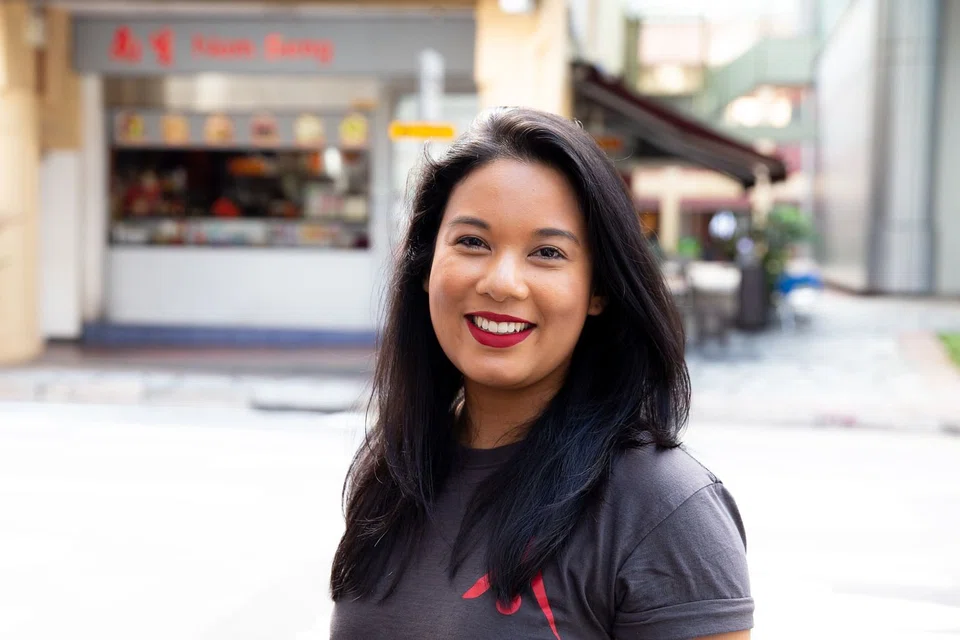
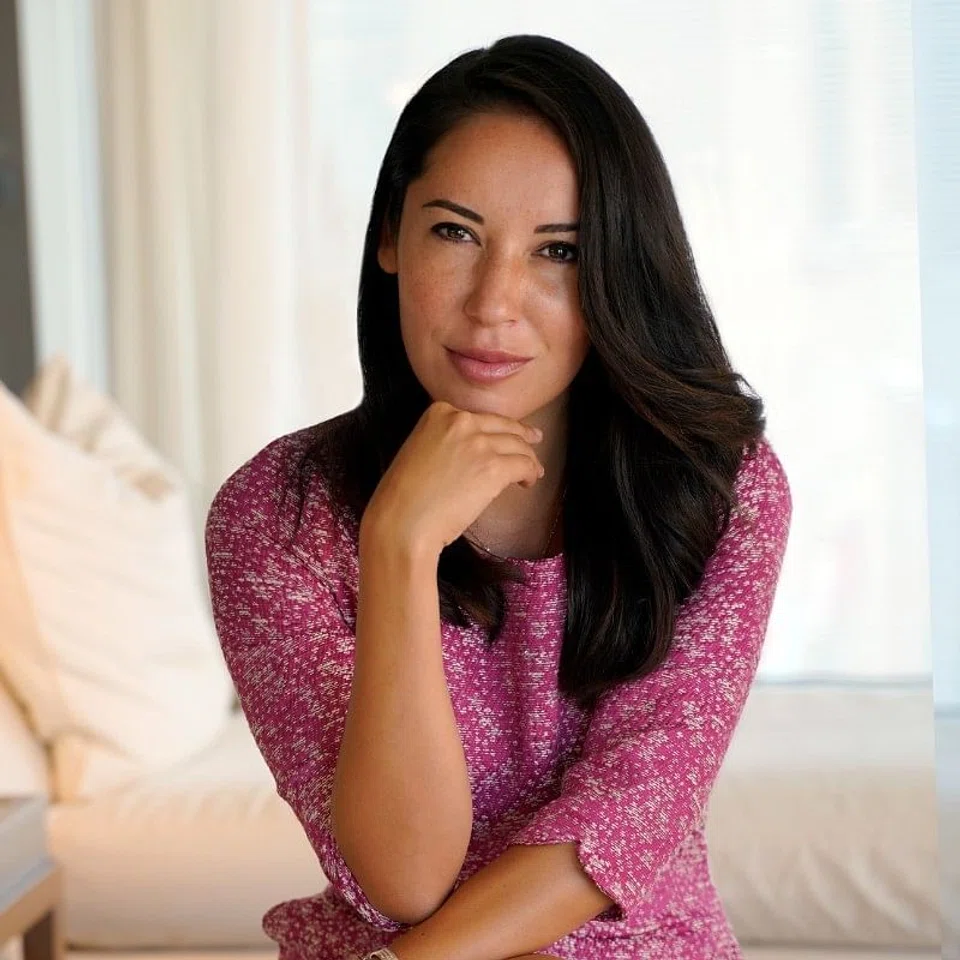
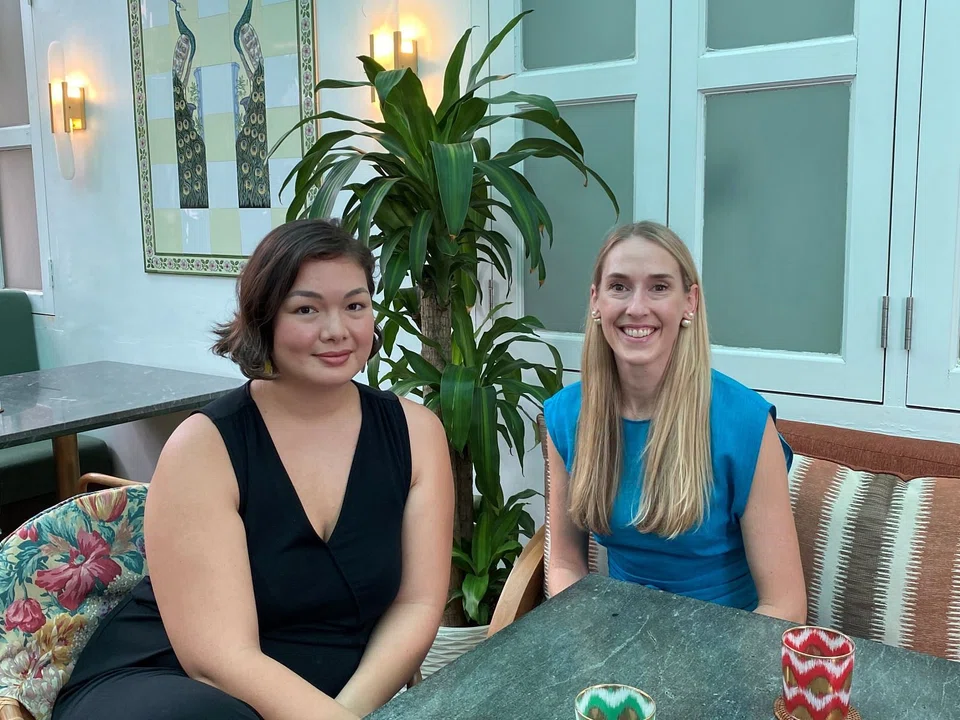


KATHERINA-OLIVIA Lacey, co-founder of Singapore-based startup Quincus, is one of the few female founders in the supply-chain sector here - and she is more than familiar with the biases that women entrepreneurs can face.
"When starting out, some investors did not see me as equal to my male co-founder; there've been many stories where I wasn't (seen as) part of the leadership," recounted Lacey, who is the startup's chief product officer.
She also noted that female founders can face harsher scrutiny on their plans to start a family. "I don't think that should be a reason why a VC should or should not invest," she said.
As Lacey's experience highlights, female startup founders have to navigate a minefield of gender stereotypes to succeed - and this can translate to difficulties in getting funded. The situation is improving, but there is still a long way to go in closing the funding gap.
In 2021, South-east Asian startups that were founded or co-founded by women drew in US$4.43 billion in equity and debt funding, making up 17.2 per cent of all capital raised last year, a DealStreetAsia report released on Tuesday (March 8) said. On the surface, the data looks promising, but the picture is skewed by Grab's funding.
Excluding the US$2.3 billion raised by Grab alone, the remainder accounts for just 8.9 per cent of the year's total capital raised. The under-representation is in tandem with the relatively smaller number of female tech founders, as well as the barriers to funding that they face.
Startups solely founded by women drew US$159.5 million, making up just 0.62 per cent of total funding. Over in the US, this proportion stood at 2 per cent last year, going by data platform PitchBook.
Caecilia Chu, co-founder and chief executive of fintech startup YouTrip, notes that there are still barriers to knock down. For instance, female founders are sometimes wrongly assumed to excel at more consumption-oriented verticals such as fashion, retail and influencer marketing, rather than technical fields, she told The Business Times (BT).
Chua Joo Hock, managing partner of Vertex Ventures South-east Asia and India, similarly noted that gender bias is prevalent, whether consciously or not, "as much as all of us deny it".
"For example, it is common in the industry to perceive women as being less aggressive and more risk-averse, often moving slower with their startup business and asking for less funding than they should," he said.
Chua also noted that studies show that compared to men, women tend to be asked more "prevention" questions - focused on what if things go wrong - than "promotion" questions, which focus on things going well.
"It is natural to be put on the defensive by 'prevention' type of questions and investors who ask those questions - even if subconsciously - would go on the downward spiral of poking holes in the women's answers rather than evaluating what the possibilities could become," he said. In the past 5 years, Vertex has led 11 startup fundraises involving female founders.
While there are many mentoring and leadership initiatives for female founders, funding still lags behind, said Amra Naidoo, co-founder and partnerships and operations director at Accelerating Asia, a regional startup accelerator.
"At the end of the day, if you're not actually putting your money where your mouth is, you're not really making a difference, right? You can have as many of these programmes as you like, but you're still not investing in female founders. I think we've yet to see that connection between having these kinds of initiatives and then investors going on and actually putting the money in," she said.
As BT previously reported, industry biases have also led to a lack of funding towards tech solutions that address the health and wellness needs of women, or femtech.
This is especially since "a predominantly male room won't be able to personally understand, see the problem being solved and translate to market value", said Lindsay Davis and Francesca Geary-Stingl, founders of the FemTech Association of Asia, over an e-mail interview.
While the gaps are clear, there is no quick fix. Naidoo of Accelerating Asia reckons that it begins with having more women at the investment decision table, by nurturing female talent in the VC ecosystem.
"If the landscape is dominated by a certain profile of investor, then that's going to skew what gets invested in and what doesn't... The more diverse investors that you have out there, the more diverse investments you'll have," she said.
There are encouraging signs of change. As Davis and Geary-Stingl note, there has been a rise in "gender-lens" investors, who apply gender diversity criteria when investing, as well as women entrepreneurs on Linkedin coming forward with their experiences. As they see it, "it's the small milestones that make the difference".
Lacey of Quincus likewise believes in the need to change pre-conceptions about female founders. She also reckons that investors can also take a more holistic approach to gender issues.
"For example, we have a very strong paternity leave, no one asks us about that," she quipped.
TRENDING NOW

Philippine power giant First Gen rebuffs foreign offers, plans up to US$2.6 billion in expansion

Cliff Tan has 7 million followers and a 4-month waitlist. Why won’t he expand his business?

Could stablecoins be the future of money?
From finance aspirant to Asean CEO: TUV SUD’s Jonas Strahberger on finding people who believe in you

