

Climb mountains, but leave no one behind, says minister

Annabeth Leow
Singapore
SOCIETIES turn against free trade and technology when workers are left behind, Minister for Trade and Industry Chan Chun Sing warned on Friday.
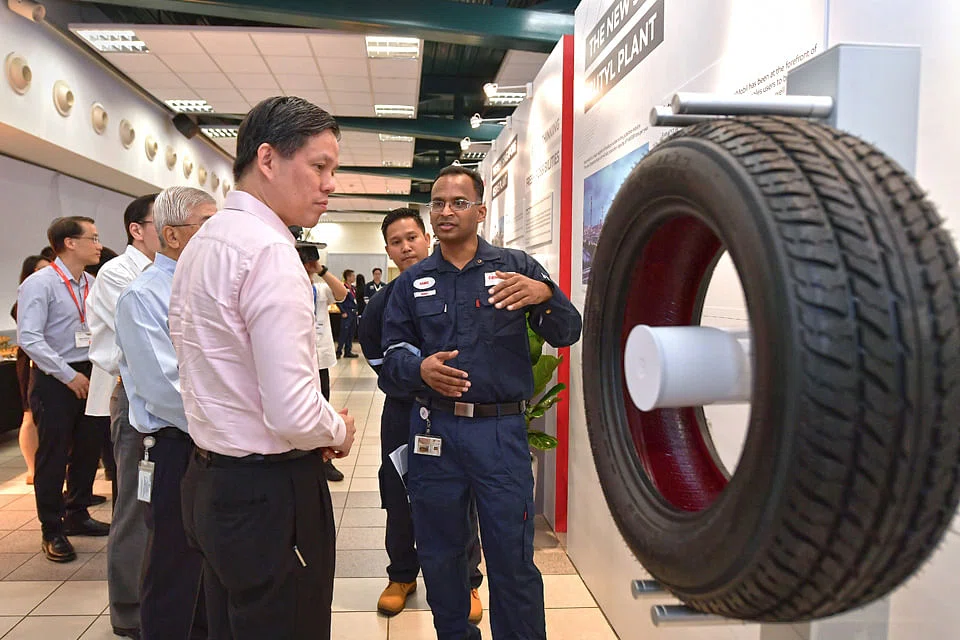
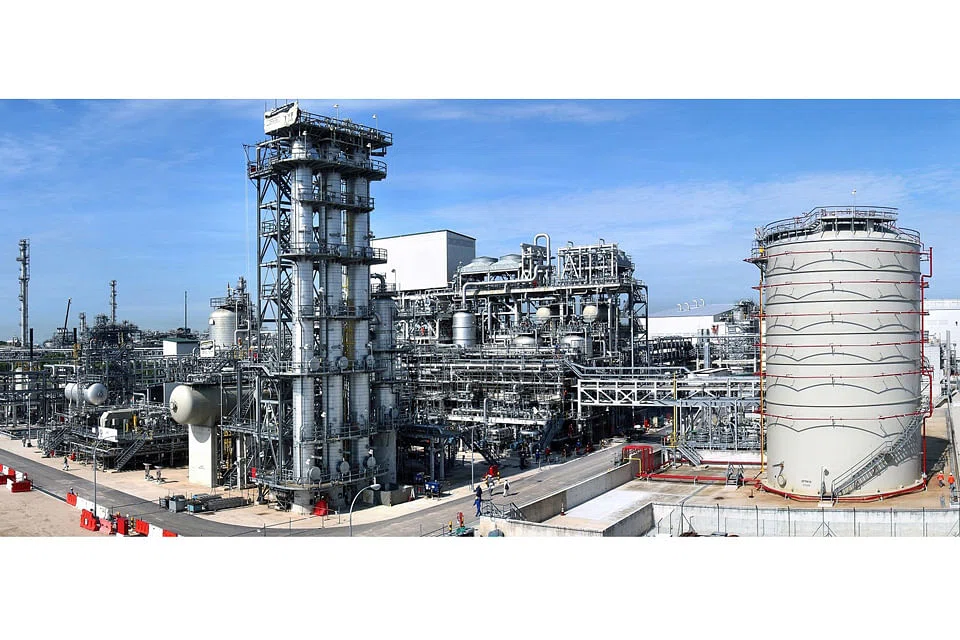
Mr Chan, a former union leader, flagged the need to elevate workers - especially those in the middle ranks - in remarks at the launch of petrochemical giant ExxonMobil's butyl and resins plants on Jurong Island. Calling the shift to a low-carbon world "a new mountain to climb" in the next decades, he also added emission curbs to hurdles facing the country.
Yet, Mr Chan said, a mix of "imagination and gumption" have helped to create "one of the strongest petrochemical industries in this part of the world and, if I may dare say, in the whole world" here in Singapore.
He noted that the Republic did not "get a big quota" for emissions under the 2016 Paris climate change agreement, but "that is water under the bridge... and we are determined to grow our industries and overcome this new carbon constraint.
"And I think we can do it so long as we have partners like ExxonMobil and others who are prepared to invest here, do the research and development, build new generations of technologies - to build better products, cleaner products, more sustainable products."
ExxonMobil's latest plants add 140 jobs, such as engineers, technicians and other supervisory management roles. Some 1,300 of the company's more-than-4,000 employees in the Republic work in its chemical plants.
"In many countries, businesses make money but workers get left behind and... the society fragments," Mr Chan told his audience. "The broad middle starts to ask themselves: Why should I continue to support this free trade movement? Why should I continue to even adopt technologies?"
Touting Singapore's "strong, stable tripartite labour relationship", he said that companies here must continue to emphasise skills training. "In today's world, the ones who are most likely to be disrupted are not necessarily the lower-wage workers," he observed. "The ones that are most likely to be disrupted, paradoxically, may be the middle-rank workers, the white-collar workers."
Mr Chan distinguished between "protecting jobs" and "protecting workers". The minister added that Singapore will ensure it stays business-friendly, saying: "We need to distinguish ourselves by providing investors with that long-term stability beyond one or two terms of government."
READ MORE: Trade woes have opened doors for Singapore, says ExxonMobil
TRENDING NOW

KKR founders among investors buying 42% of Peter Lim’s Valencia; club valued at US$1.4 billion

Singapore’s central gas buyer affirms Indonesia’s role as ‘important partner’ amid export review warning

Why the biggest business decision about AI isn’t which model to choose

NEA issues notices to 10 Singapore-based companies, including Wilmar and APP, over haze

