

Precision engineering is growth industry for Singapore: Chan

Singapore
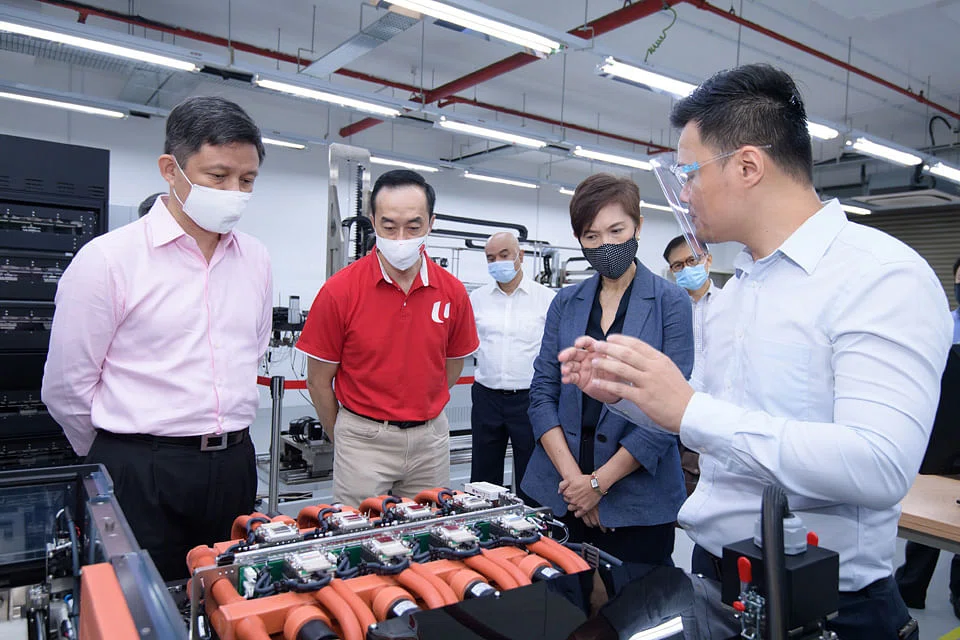
PRECISION engineering has been singled out as a growth industry for Singapore, "even in a downtime like this", Minister for Trade and Industry Chan Chun Sing said on Monday.
The Ministry of Manpower (MOM) identified electronics and precision engineering as "areas of strength" in its second-quarter labour market report, with these clusters bucking the overall trend of job contraction.
Some 1,500 roles in precision engineering have been made available since April under the SGUnited Jobs and Skills Package, a signature initiative to boost job creation this year.
They include nearly 1,000 job places, plus traineeships, attachments and other training opportunities.
In all, roughly four-fifths were for professionals, managers, executives and technicians (PMETs), which Manpower Minister Josephine Teo called "precisely the kinds of job roles that we also do want for Singaporeans".
PMET openings in the industry include product engineers, electrical engineers and quality inspectors, while non-PMET hires include production operators, welders and pipe-fitters.
Manufacturers "have adopted new methods of production and they don't necessarily need as many people" as in the 1960s and 1970s, said Mrs Teo. "In fact, that is the direction that we want to move towards."
Even so, she called manufacturing a key pillar of the economy, offering "good jobs for Singaporeans, both PMETs and non-PMETs; and we also see opportunities for future growth".
Noting that the roll-out of 5G technology will drive demand for semiconductors and smart devices, Mr Chan said that "we're very confident that the jobs will continue to grow, the industry will continue to grow" in precision engineering.
Precision engineering expanded by 11.4 per cent year on year from January to July, on the back of demand for pandemic-related products such as ventilators, as well as for remote work and automation enablers such as monitor parts and sensors.
Overall, the manufacturing sector employed some 473,000 workers, as at mid-year, with more than one-fifth from precision engineering.
In the near term, electronics and precision engineering "are likely to expand, driven by sustained global demand for semiconductors and semiconductor equipment", MOM added in its labour market report.
In fact, ministry data showed an uptick in employment in electronics manufacturing - to the tune of 1,000 positions - from March to June, even as the rest of the manufacturing sector lost 9,900 jobs over the quarter.
Meanwhile, some 260 job seekers were placed in precision engineering jobs between April and July. They included mid-career PMETs who had earlier worked in industries such as energy, chemicals and logistics.
"When there's some slack in the demand for some sectors, and why we help them to move to another sector, adjacent sector, it's because we want to preserve these capabilities," Mr Chan said.
"It's really for us to make sure that we organise ourselves well - even in a downtime like this - to preserve the core capabilities while continuing to seek new opportunities."
Separately, Mr Chan unveiled a one-off boost to the Scale-up SG scheme launched last year to groom high-growth businesses for growth.
The share of government funding will be raised to 80 per cent until September 2021, up from 70 per cent, with the goal of supporting 50 more companies in the next two years.
READ MORE: Employment in Singapore falls by record 103,500 in Q2
TRENDING NOW

US dollar falters after Iran’s offer to reopen Hormuz sends oil lower

He built the Vingroup empire. Now South-east Asia’s richest man is handing some key roles to his sons

Prudential announces regional leadership changes, including for Singapore, Indonesia

Indonesia court cuts Gojek founder Nadiem Makarim’s jail term to nine years

