

Too early to tell what G-7's historic tax deal would mean for Singapore: Lawrence Wong
 Add BT as a preferred source
DeeperDive is a beta AI feature. Refer to full articles for the facts.
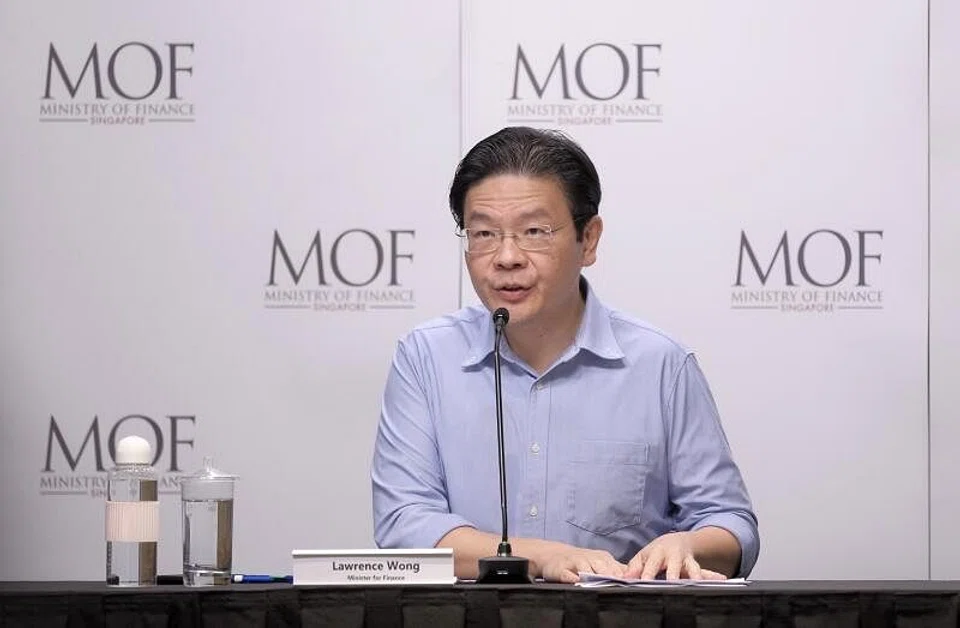
IT is too early to say what the G-7's historic tax deal targeting tech giants would mean for Singapore, Finance Minister Lawrence Wong said on Tuesday, although he noted that all jurisdictions will need to adjust their tax systems and rules.
The G-7 on Saturday reached a landmark agreement to impose a minimum corporate tax rate of 15 per cent on multinational companies in a move that would reduce their incentive to shift to low-tax havens.
In a Facebook post, Mr Wong said: "The new rules should not inadvertently weaken the incentives for businesses to invest and innovate. Otherwise, countries will all be worse off, fighting over our share of a shrinking revenue pie."
Detailing three things that will not change in Singapore, he said the Republic will continue to support a multilateral consensus-based solution that is anchored on sound economic principles, promotes tax certainty and ensures a level playing field across all jurisdictions.
Secondly, the Ministry of Finance and Inland Revenue Authority of Singapore will make any necessary changes to the country's corporate tax system, in close consultation with businesses and tax professionals, as and when a global consensus is reached on the G-7's proposals.
The tax proposals will be further discussed at other international platforms, such as the Inclusive Framework on BEPS (base erosion and profit shifting), for which Singapore is a member, said Mr Wong. They will also be discussed at the G-20 Finance Ministers meeting in July, he added.
Navigate Asia in
a new global order
Get the insights delivered to your inbox.
Although Singapore is not a G-20 member, it has been invited to attend, and Mr Wong said he looks forward to sharing his views then.
If a consensus is reached, detailed rules will need to be hammered out over several months, he added.
"We will continue to ensure that our tax system is compatible with international norms, while managing the administrative and compliance burden on businesses," said Mr Wong.
Third, noting that Singapore's overall competitiveness has never been based on taxation alone, Mr Wong said it is about ensuring a conducive environment for businesses and entrepreneurs to thrive.
"Trust, reliability and integrity are ultimately what makes Singapore an attractive place for substantial economic activities. We will continue to strengthen these attributes, to create good jobs and opportunities for all Singaporeans," he said.
READ MORE:
- G-7 corporate tax plan could net Singapore more revenue in short run
- G-7's global minimum tax deal may nullify any tax advantage Singapore offers
- BT Explains: Global minimum corporate tax
- G-7 group out to show its unity through crises
- Global tax ambiguity will not stunt mergers and acquisitions: analysts
- Global minimum corporate tax unlikely to cause US capital flight from Asia
- One size may not fit all
Decoding Asia newsletter: your guide to navigating Asia in a new global order. Sign up here to get Decoding Asia newsletter. Delivered to your inbox. Free.
Copyright SPH Media. All rights reserved.
TRENDING NOW
‘Boring’ is the new black: The stars are aligning for a Singapore stock market revival

Near sell-out launches in March boost developer sales to 1,300 units after four slow months

China pips the US if Asean is forced to choose, but analysts warn against reading it like a sports result
Genting Singapore’s Lim Kok Thay receives S$7.5 million pay package for FY2025

