



AirAsia X boosts flights, lowers fares as fuel price drops
However, the carrier says airport-related costs may make it difficult to keep air travel affordable

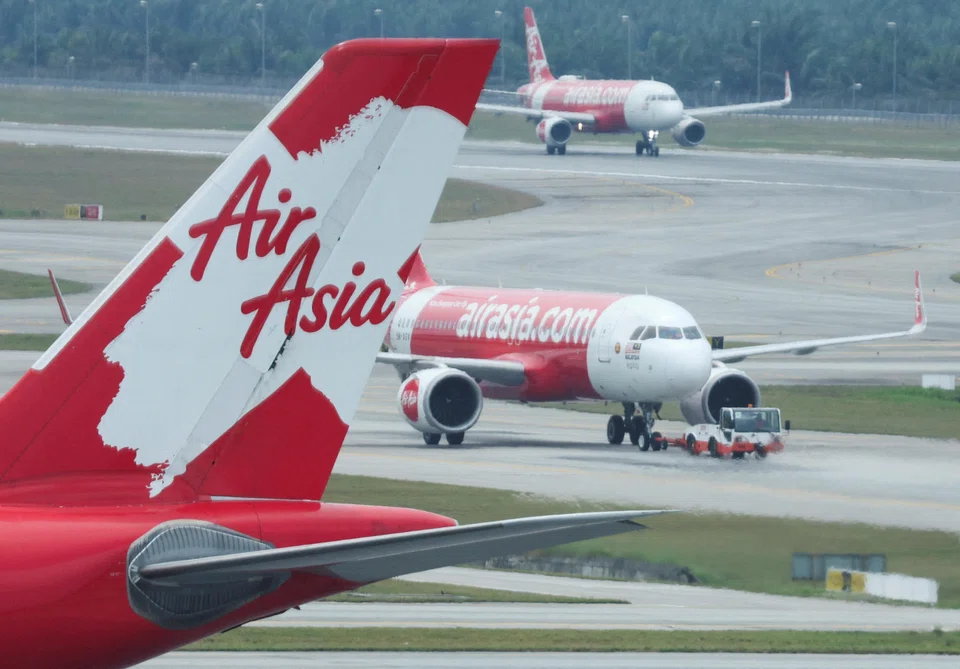
[KUALA LUMPUR] AirAsia X is cutting fares and restoring flights suspended during the recent fuel-price spike as easing oil prices improve operating conditions.
However, the airline warned that rising airport charges across South-east Asia could emerge as the industry’s next major challenge.
The long-haul low-cost carrier has already reduced fares by about 5 per cent since Jun 15 and plans to continue lowering ticket prices if fuel costs remain stable, group CEO Bo Lingam said on Monday (Jun 22).
“We want all our aircraft flying and we want them full. When fuel prices go down, we want fares to come down,” he added.
The fare reductions come after months of elevated ticket prices as airlines grappled with a sharp rise in fuel costs following the Middle East conflict.
The fuel crisis took a significant toll on the group’s finances. According to Lingam, AirAsia X suffered an estimated RM150 million (S$47 million) hit in March alone as fuel prices surged, prompting it to trim capacity and suspend selected routes across its network.
As fuel prices retreat following the ceasefire agreement by the United States and Iran, the airline is now reversing many of those measures.
Lingam said most of the capacity removed during the crisis is expected to be restored by the end of August or early September, although some routes that were already underperforming before the fuel shock may not return.
The group has also used the period to strengthen its operations by renegotiating contracts with lessors, suppliers and service providers, while accelerating maintenance work across its fleet.
SEE ALSO



Only seven aircraft remain grounded awaiting engine replacements, with the rest of the fleet available to return to service as demand recovers.
Despite the recent disruption, AirAsia X’s passenger demand has remained resilient. The group recorded an average load factor of 83 per cent between January and May.
Jakarta-Singapore route cut as airport costs increase
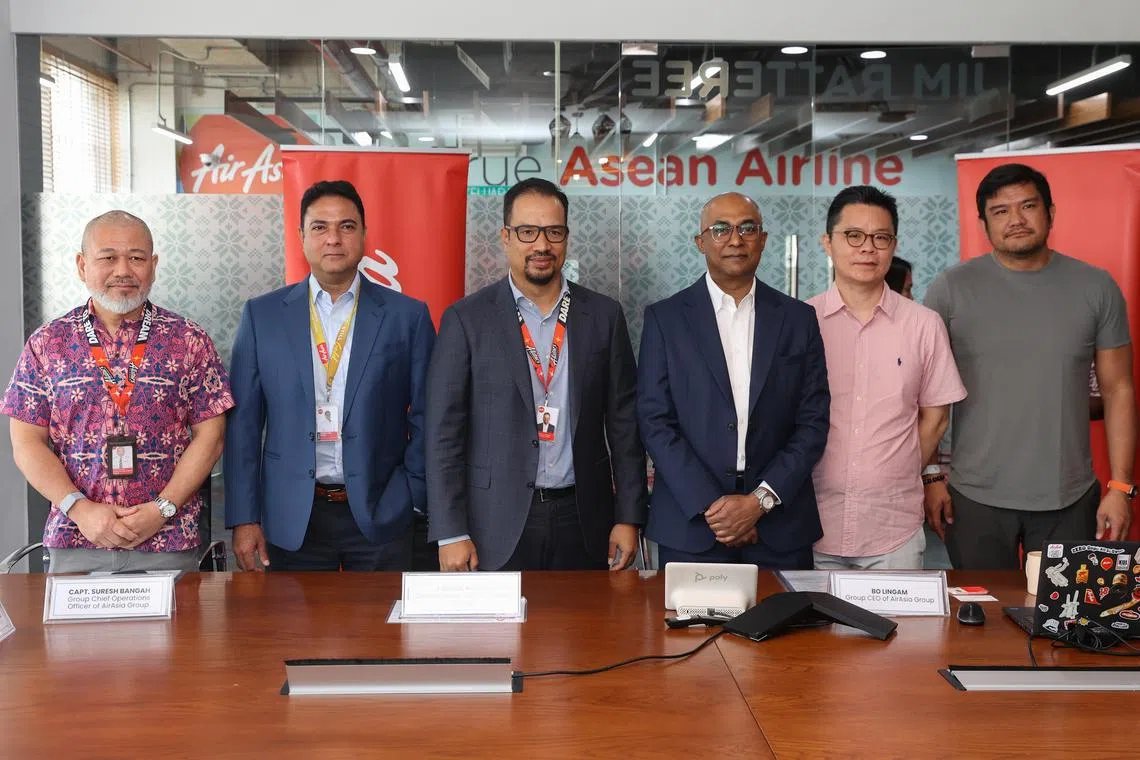
However, even as fuel prices ease, Lingam warned that airport charges are becoming an increasing burden on airlines and could threaten efforts to keep air travel affordable.
He pointed to Singapore as an example, saying high airport-related charges contributed to AirAsia X’s decision to suspend the Jakarta-Singapore route.
“The airport tax in Singapore is around S$72. It just doesn’t make (commercial) sense to put a fare from Jakarta to Singapore where the airport tax is more than the fare,” he said.
Changi Airport is phasing in fee increases over six years (starting from its 2024 announcement) to finance a S$3 billion terminal upgrade plan and manage rising operational expenses.
Beyond Singapore, he noted that Thailand airports also raised their airport charges, and this is “not good news for the industry”.
Thailand has raised its international airport tax from 730 baht to 1,190 baht (S$44.18) per traveller, effective Jun 20. The hike applies to outbound flights from six major airports, including Suvarnabhumi, Don Mueang and Phuket.
Following Thailand’s recent increase in airport charges, some passengers have reported flight cancellations and itinerary changes on routes between Jakarta and Bangkok, with some services being rerouted through Kuala Lumpur instead.
Lingam said the route cuts or flight changes formed part of AirAsia X’s broader network optimisation efforts as the airline navigated higher fuel and operating costs.
However, he said the Jakarta-Bangkok route could be reinstated in the next few months as the airline gradually restores capacity.
“The aviation stakeholders have got to work with the tourism industry. They should not be arbitrarily raising airport fees because that’s going to affect tourism,” said Lingam.
Retiring older aircraft and expansion plans
Despite the recent disruption, AirAsia X is pressing ahead with its long-haul expansion plans.
Bahrain remains scheduled for launch in August 2026 after being delayed by about a month, while AirAsia X’s planned return to London is also targeted for August next year.
The London service would mark the airline’s return to Europe more than a decade after it exited the market amid rising costs and operational challenges.
The launch of both routes were delayed amid the recent fuel price volatility, but the carrier has not altered its expansion strategy.
The services will be operated using Airbus A330 aircraft, which remain a key part of AirAsia X’s long-haul network despite the group’s shift towards more fuel-efficient Airbus A321LR and A321XLR aircraft for future growth.
Meanwhile, the airline is accelerating its fleet renewal programme over the next two years, acquiring new fuel-efficient Airbus A321LR aircraft while phasing out older A320ceos across its Malaysian, Indonesian and Philippine operations.
Lingam announced the acquisition of two A321LRs this year, with seven more expected by 2027 to boost efficiency on medium-haul routes to destinations such as Busan and Incheon.
Concurrently, AirAsia X is returning around 12 older A320ceo aircraft to lessors to modernise its fleet and optimise costs.
Decoding Asia newsletter: your guide to navigating Asia in a new global order. Sign up here to get Decoding Asia newsletter. Delivered to your inbox. Free.
Copyright SPH Media. All rights reserved.
TRENDING NOW

Government to bring forward raising of retirement age, give employers more financial support to create flexi-load jobs

If Europe goes to war, the fallout will be felt in East Asia

Indonesia stocks suffer worst plunge in nearly 30 years as MSCI proposes standalone status

Vietnam’s northern provinces, not Hanoi or Ho Chi Minh City, are powering near 10% GDP growth

