Asean EV adoption lagging despite governments’ push
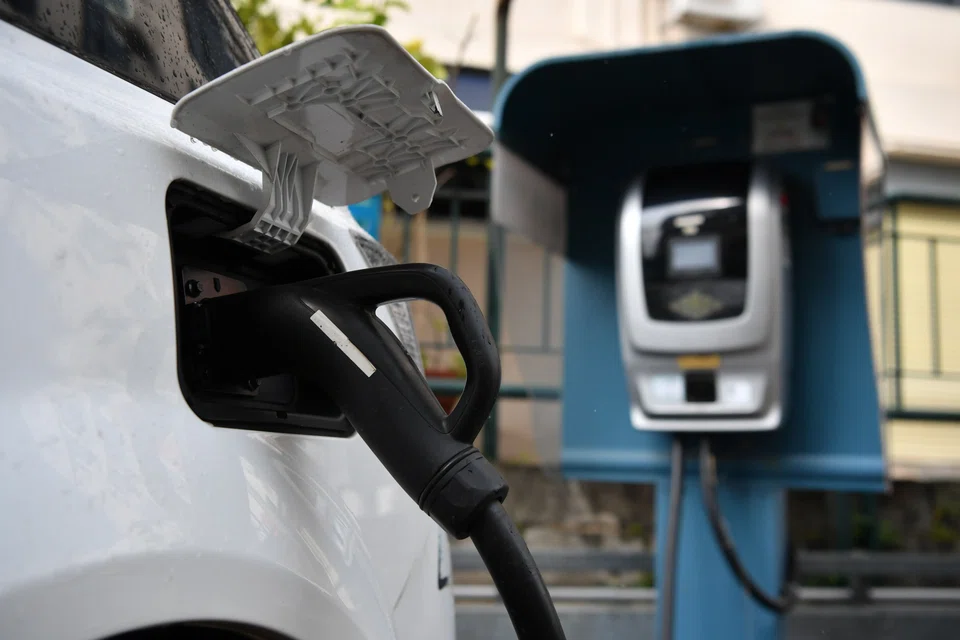
OVER the past 3 years, South-east Asian governments have given more support to the electric vehicle (EV) industry, stepping up efforts to attract investment and pushing the use of EVs – but consumer take-up has been slow. By the end of last year, EVs accounted for only 1 per cent of the region’s total car population.
Thailand, the region’s top car manufacturer, set a target in 2020 for EVs to make up 30 per cent of its total automotive output by 2030. In March last year, this was raised to 50 per cent. The Thai government also rolled out measures to support the industry this February, including lowering import tariffs and sales tax, and providing market subsidies.
In 2019, Indonesia introduced a presidential regulation prioritising the development of facilities for producing EVs and their parts. The state-owned PT Industri Baterai Indonesia (IBI) was set up last year to support foreign investment in raw materials and resources for EV manufacturing. Indonesian President Joko Widodo has spoken about the country’s goal of having 200 million electric vehicles on the road by 2025.
But according to trade publication Just Auto, fewer than 400 EVs have been sold in Indonesia in the first 5 months of the year.
Malaysia also launched support measures for its EV industry this January, such as lifting import tariffs and eliminating sales tax; a road tax exemption for EV owners; and personal income tax rebates. In Singapore, a 45 per cent discount on additional registration fees tax for EVs has been offered since January last year.
Singapore University of Social Sciences (SUSS) associate professor of economics Walter Theseira sees timing as the main reason for the slow growth of EV adoption in the region. If the market “is not at the income level to be able to afford the premium EVs”, related tax incentives will end up being enjoyed by richer consumers, he said.
But he expects Singapore’s EV sector to experience rapid growth in the coming 3 years. As the Certificate of Entitlement (COE) for car ownership in Singapore lasts 10 years, older internal combustion engine (ICE) vehicles are being phased out regularly.
Car manufacturers worldwide are also cutting back on investment in ICE vehicles and turning their focus to electric, he added. For trend-chasing Singaporean car owners, this means a smaller available range of ICE models, which would spur them to switch to EVs.
But in the rest of South-east Asia – with the exception of capitals and other big cities – older car models take longer to be phased out, so the switch to electric may lag behind Singapore by 5 to 10 years, he said.
Wong Siew Fong is Lianhe Zaobao’s Beijing Correspondent. This article is part of a collaboration on a series of weekly features translated from Lianhe Zaobao. The original story first appeared on July 10. The next package on July 25 will take a look at the rise of Generation Z Chinese consumer goods in South-east Asia.